Where Do Ants Live: Understanding Ant Habitats, Nests, and Distribution
Ants establish colonies in virtually every terrestrial environment across the globe, from tropical rainforests to urban sidewalks. These remarkable social insects construct elaborate nesting systems that serve as fortress-like homes for their colonies, with each species demonstrating specific habitat preferences based on environmental requirements, food availability, and protection needs. Understanding where ants live and how they select nesting sites provides valuable insight into their behavior and helps property owners identify potential problem areas around their homes.
The diversity of ant habitats reflects the incredible adaptability of these insects, which have successfully colonized nearly every landmass except Antarctica and a few remote islands. With over 15,000 described species worldwide, ants have evolved specialized nesting strategies that allow them to thrive in environments ranging from desert dunes to forest canopies, each species developing unique architectural solutions for their survival needs.
Global Distribution of Ants
Ants inhabit every continent except Antarctica, with the highest species diversity occurring in tropical and subtropical regions where warm temperatures and abundant resources support large populations year-round. The Amazon rainforest alone hosts thousands of ant species, while temperate regions support fewer but highly specialized species adapted to seasonal variations [1]. Desert environments present unique challenges, yet many ant species have evolved remarkable strategies to survive in these harsh conditions, including deep underground nesting and efficient water conservation mechanisms.
Climate zones significantly influence ant distribution patterns, with tropical species typically requiring consistent moisture and temperature levels, while temperate species must survive freezing winters through various strategies including deep soil hibernation and antifreeze proteins. North American ant fauna includes approximately 1,000 species [2], ranging from tiny thief ants measuring less than 2 millimeters to large carpenter ants exceeding 13 millimeters in length, each occupying distinct ecological niches across diverse habitats.
Types of Ant Habitats
Natural Outdoor Environments
- Forests and woodlands provide abundant nesting materials including fallen logs, leaf litter, and rich organic soil layers that support complex underground tunnel systems
- Grasslands and meadows offer open spaces for ground-nesting species, with root systems creating natural moisture retention and protection from extreme weather
- Desert environments challenge ants with extreme temperatures and limited water, leading to specialized deep-nesting behaviors and unique foraging strategies during cooler periods
- Wetlands and riparian areas support moisture-loving species that construct nests in elevated areas to avoid flooding while maintaining access to water sources
Urban and Human-Modified Environments
- Cities and suburbs create artificial habitats with consistent food sources, irrigation systems, and structural materials that provide novel nesting opportunities
- Agricultural areas offer both natural soil environments and human-provided resources, though pesticide use can significantly impact local ant populations
- Parks and gardens represent hybrid environments combining natural vegetation with human management, creating ideal conditions for many adaptable ant species
The transformation of natural landscapes through human development has created entirely new ecological niches that many ant species have successfully exploited, leading to increased interactions between ant colonies and human dwellings.
Where Ants Live in and Around Homes
Indoor Nesting Sites
- Wall voids and insulation provide ideal nesting environments with stable temperatures, protection from weather, and easy access to indoor food sources through electrical outlets and plumbing penetrations
- Under floors and foundations offer protected spaces with consistent moisture levels, particularly attractive to species requiring humid conditions for successful brood development
- Kitchen and bathroom areas attract moisture-loving species due to consistent water availability, food residues, and warm conditions created by appliances and plumbing systems
Indoor colonies often establish satellite nests connected to outdoor parent colonies, allowing ants to exploit indoor resources while maintaining genetic diversity and environmental resilience through outdoor breeding populations.
Outdoor Residential Areas
- Landscaping and gardens create artificial ecosystems with irrigation, mulch, and diverse plant materials that many ant species find highly attractive for colony establishment
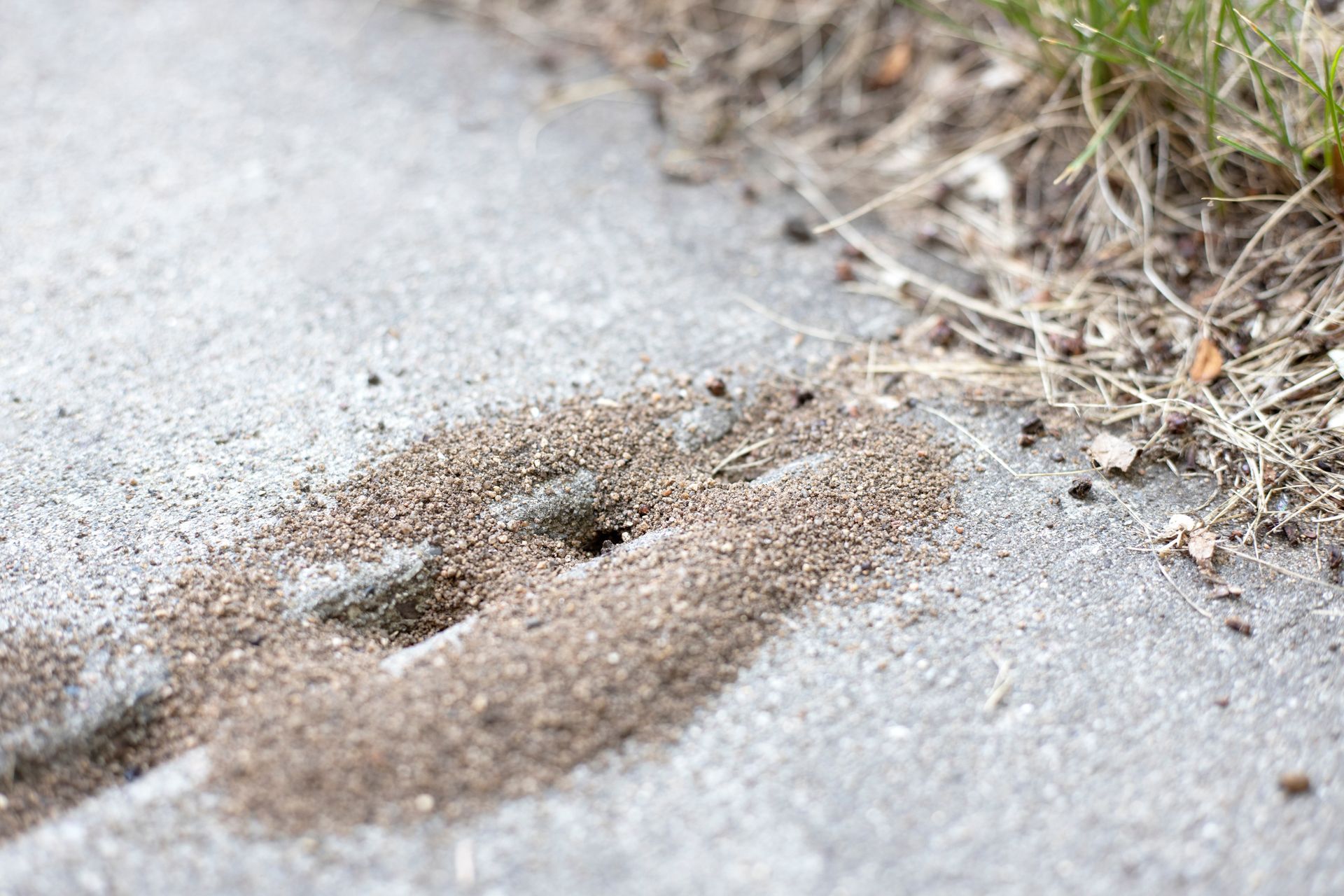
- Driveways and walkways provide nesting opportunities beneath concrete and stone surfaces, with expansion joints and settling cracks offering ideal entry points for colony establishment
- Foundation perimeters concentrate moisture from irrigation and roof drainage, creating consistently damp soil conditions that support large underground colonies
The interface between natural and human-modified environments around residential properties creates particularly attractive habitat conditions, combining resource abundance with structural protection opportunities.
Ant Nesting Locations
Underground Soil Nests
The majority of ant species construct their primary nests below ground, where soil provides insulation from temperature extremes, protection from predators, and structural stability for complex tunnel networks. Simple underground nests consist of a single vertical shaft with branching chambers for brood care and food storage, typically extending 12-24 inches deep in temperate climates [3]. More elaborate subterranean colonies can extend several feet underground, featuring multiple levels connected by intricate tunnel systems that may span areas larger than a football field.
Soil composition directly influences nest architecture, with clay soils providing excellent structural integrity for permanent installations, while sandy soils require different engineering approaches to prevent tunnel collapse. Many ground-nesting species create distinctive entrance mounds that serve multiple functions including ventilation control, water drainage, and territory marking, with some species constructing elaborate crater-like structures that can reach several inches in height.
Above-Ground Structures
Certain ant species construct portions of their nests above ground level, creating visible mounds, hills, or thatched structures that serve specialized functions within the colony's overall architecture. Fire ants build characteristic dome-shaped mounds that can exceed 18 inches in height and 3 feet in diameter, with internal chambers extending both above and below ground level [4]. These structures incorporate sophisticated ventilation systems that maintain optimal temperature and humidity levels throughout the colony.
Thatched mounds, constructed by species such as Allegheny mound ants, utilize plant materials including twigs, leaves, and pine needles to create insulating layers above underground chambers [5]. These structures can persist for decades, growing larger each year as the colony expands, and may contain multiple interconnected galleries housing tens of thousands of individuals.
Tree and Wood Nests
Arboreal ant species have developed specialized adaptations for life above ground, constructing nests within tree trunks, branches, and even living plant tissues. Carpenter ants excavate galleries within both living and dead wood, preferring moisture-damaged timber that provides easier excavation while maintaining structural integrity [6]. These galleries follow the wood grain and can extend throughout entire trees, creating extensive networks that may house multiple satellite colonies.
Some species construct nests entirely from plant materials, weaving leaves together using silk produced by their larvae or building paper-like structures from chewed plant fibers mixed with saliva. These aerial nests provide protection from ground-dwelling predators while maintaining proximity to arboreal food sources including honeydew-producing insects and plant nectaries.
Opportunistic Nesting Sites
Many ant species demonstrate remarkable flexibility in nest site selection, utilizing human-made structures and unusual locations when traditional nesting sites become unavailable. Rock crevices provide natural cavities that require minimal excavation while offering excellent protection from weather and predators. Wall voids in human structures create climate-controlled environments that many species find attractive, particularly during extreme weather periods.
Opportunistic nesters may establish temporary colonies in locations such as potted plants, outdoor furniture, or stored materials, often moving to more suitable permanent locations as environmental conditions change or colony size increases.
Factors That Determine Ant Habitat Selection
- Moisture Requirements vary dramatically among species, with some requiring consistently damp conditions while others prefer well-drained environments that prevent fungal growth and maintain structural stability
- Temperature Preferences influence both geographic distribution and local microhabitat selection, with most species demonstrating optimal performance within specific temperature ranges that affect foraging efficiency and brood development
- Food Source Proximity drives colony location decisions, as ants must balance nest security with foraging efficiency, typically establishing colonies within effective foraging radius of reliable food sources
- Protection from Predators shapes nest site selection, with colonies avoiding areas with high predation pressure while maintaining necessary access to resources and suitable environmental conditions
Soil chemistry also plays a crucial role in habitat selection, with different species showing preferences for specific pH levels, mineral content, and organic matter concentrations that support their particular biological needs and construction requirements.
Common Ant Species and Their Preferred Habitats
- Carpenter Ants (Camponotus species) prefer moist wood environments, establishing primary colonies in dead trees, logs, or moisture-damaged structural timber, with satellite colonies often found in drier wood locations
- Fire Ants (Solenopsis species) construct characteristic mounded nests in open, sunny areas with well-drained soil, preferring disturbed habitats including lawns, fields, and roadside areas
- Pavement Ants (Tetramorium caespitum) typically nest under concrete slabs, stones, or pavement, creating distinctive sand piles at crack edges while maintaining colonies in protected soil underneath
- Pharaoh Ants (Monomorium pharaonis) exclusively inhabit heated buildings in temperate climates, establishing multiple interconnected colonies within wall voids, insulation, and warm mechanical spaces
- Odorous House Ants (Tapinoma sessile) demonstrate extreme habitat flexibility, nesting outdoors under rocks and logs or indoors within wall voids, particularly attracted to moisture-damaged areas
Each species has evolved specific habitat requirements that reflect millions of years of evolutionary adaptation to particular environmental niches, with habitat preferences often providing reliable identification clues for pest management professionals.
Seasonal Habitat Changes
Winter Survival Strategies
Cold-climate ant species enter diapause periods with reduced activity, retreating to deeper soil levels below the frost line where insulated chambers maintain survival temperatures. Some species produce natural antifreeze compounds that prevent ice crystal formation, while others rely entirely on deep underground hibernation. Indoor heating systems create artificial warm zones that some species exploit during winter months, leading to year-round activity patterns and increased human-ant interactions.
Summer Activity Patterns
Peak summer temperatures drive ant colonies to expand into shaded areas and increase utilization of underground chambers for temperature regulation. Foraging activities shift to cooler morning and evening periods, while drought conditions may force colony relocations to areas with better moisture retention. Air conditioning systems in human structures create artificial cool zones that become increasingly attractive during extreme heat periods.
Signs of Ant Habitats Near Your Property
Visual Indicators
- Ant trails consisting of worker streams moving between nest sites and food sources, often following consistent pathways along foundations, sidewalks, or landscape edges
- Soil mounds or disturbed earth indicating active excavation, particularly noticeable after rain when fresh soil appears darker than surrounding areas
- Sawdust piles beneath wooden structures suggesting carpenter ant activity, often accompanied by faint rustling sounds within wood during quiet periods
- Winged ants (reproductives) emerging from hidden nest sites during seasonal swarming periods, typically occurring in late spring or early summer
Careful observation during peak activity periods, particularly early morning or evening hours, often reveals ant movement patterns that lead directly to nest entrances or satellite colony locations.
When Ant Habitats Become a Problem
Property Damage Concerns
Structural damage from ant colonies varies significantly among species, with carpenter ants posing the greatest threat to wooden structures through their excavation activities that can compromise load-bearing elements over time. Unlike termites, carpenter ants do not consume wood but remove it to create nesting galleries, producing characteristic smooth-walled tunnels that weaken structural integrity. Extensive carpenter ant colonies can create networks of galleries that significantly reduce wood strength, particularly in moisture-damaged areas where initial colonization typically occurs.
Foundation settling may result from extensive soil displacement by large underground colonies, particularly in areas with clay soils that become unstable when honeycomb networks develop beneath structures. Pavement ants can cause cosmetic damage to driveways and walkways by displacing sand and soil beneath concrete surfaces, creating uneven areas and contributing to crack development.
Health and Safety Issues
While most North American ant species pose minimal direct health risks, certain species can create significant safety concerns through aggressive defensive behaviors or contamination issues. Fire ants deliver painful stings that can cause severe allergic reactions in sensitive individuals, with large colonies presenting particular risks in areas frequented by children or pets. Pharaoh ants in healthcare facilities can transmit pathogenic bacteria by foraging in unsanitary areas and subsequently contaminating sterile environments.
Professional Assessment Needs
Complex ant problems often require professional evaluation to determine species identification, colony locations, and appropriate treatment strategies that address root causes rather than just visible symptoms. Multiple species infestations, extensive structural damage, or recurring problems despite homeowner treatment efforts typically indicate situations that benefit from expert intervention and comprehensive management approaches.
Professional assessment becomes particularly important when ant activity suggests moisture problems, structural vulnerabilities, or conditions that may attract additional pest species. Integrated pest management approaches consider long-term prevention strategies that modify habitat conditions to discourage future colonization attempts.
Contact EcoForce Pest Management for Professional Ant Control
When ant colonies establish themselves in or around your property, professional intervention often provides the most effective and long-lasting solution to protect your home and family. Our experienced technicians understand the complex habitat requirements and behaviors of common ant species, enabling targeted treatment approaches that eliminate existing colonies while preventing future establishment. We utilize integrated pest management principles that combine effective treatment methods with habitat modification recommendations, ensuring long-term protection for your property investment and peace of mind for your family's comfort and safety. Contact us today to schedule an ant inspection.
Ant Habitat FAQs
Start Being Pest Free Today!
Contact Us