
Can Cockroaches Fly?
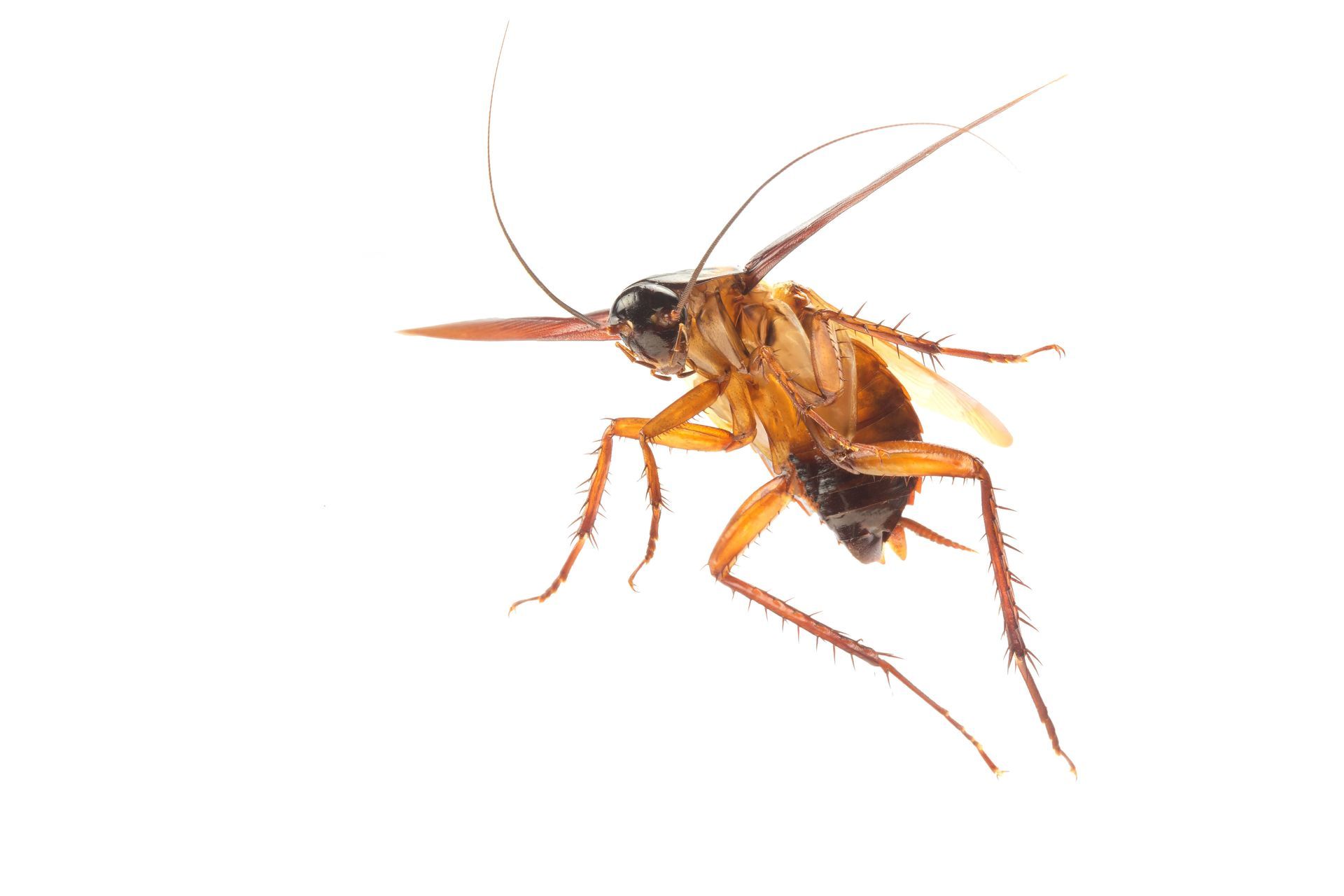
The short answer is yes, some cockroaches can fly, but the reality is more nuanced than many people realize. While most cockroach species possess wings as adults, their flight capabilities vary dramatically, with many species relying primarily on their powerful legs for rapid ground movement rather than taking to the air. Understanding which species can fly, when they choose to do so, and what environmental factors trigger flight behavior helps homeowners better prepare for and manage potential cockroach encounters.
Flight among cockroaches represents an evolutionary adaptation that serves specific survival functions rather than a primary mode of transportation [1]. Most flying cockroaches are occasional fliers at best, using their wings primarily for escape, mate seeking, or accessing elevated food sources during particular environmental conditions. The common household cockroaches that infest homes typically demonstrate limited or no flight capability, while outdoor species tend to be more accomplished aerial travelers [2].
Cockroach Wing Anatomy and Flight Mechanics
Cockroaches possess two pairs of wings that develop through metamorphosis, with the forewings called tegmina serving as protective covers for the delicate hindwings underneath [3]. The hindwings represent the primary flight apparatus, featuring thin, membranous tissue that unfolds to reveal surprisingly large surface areas relative to body size, while only the hindwings provide actual lift and propulsion during aerial movement. This two wing system creates inherent limitations in flight efficiency compared to insects where both wing pairs actively contribute to lift generation.
Cockroach flight muscles are considerably less developed than those found in dedicated flying insects, resulting in limited endurance and maneuverability during aerial activities. The relatively small flight muscle mass compared to body weight creates an unfavorable power to weight ratio that restricts most species to short distance flights or gliding behaviors rather than sustained aerial travel. Many species demonstrate gliding behavior rather than true powered flight, using their wings to control descent from elevated positions with minimal energy expenditure while true powered flight demands substantial energy that most cockroach species cannot sustain for extended periods.
Which Cockroach Species Can Fly?
Strong Fliers
- Smoky brown cockroach (Periplaneta fuliginosa) demonstrates excellent flight capabilities with sustained aerial movement [4], often attracted to artificial lights during evening hours and capable of traveling significant distances between food sources
- Australian cockroach (Periplaneta australasiae) exhibits strong flight abilities, with well-developed wings that enable efficient movement between outdoor habitats and occasional indoor intrusions [5]
- Asian cockroach (Blattella asahinai) shows remarkable flight endurance compared to most species [6], capable of sustained flight distances exceeding 120 feet and active flight toward light sources during twilight hours
- Cuban cockroach (Panchlora nivea) displays superior flight capabilities among cockroach species, with distinctive pale green coloration and preference for arboreal habitats that require strong aerial mobility [7]
- Wood cockroach (various Parcoblatta species) demonstrates seasonal flight activity, particularly among males during mating periods [8], with fully developed wings enabling movement between wooded outdoor habitats
Limited or No Flight Capability
- American cockroach (Periplaneta americana) demonstrates limited flight capability, primarily using short distance gliding rather than sustained flight.
- German cockroach (Blattella germanica) possesses fully developed wings but rarely uses them for flight [10], instead relying on rapid running movements and preferring to remain close to food and water sources in indoor environments
- Oriental cockroach (Blatta orientalis) has significantly reduced wing development with females possessing only wing pads and males having short wings insufficient for flight [11], making this species entirely ground dependent
- Brown banded cockroach (Supella longipalpa) shows gender specific flight limitations, with only males capable of limited flight while females remain flightless despite having wing structures [12]
Why Do Cockroaches Fly?
Flight serves as a critical escape mechanism when cockroaches encounter immediate threats that cannot be avoided through rapid ground movement, such as predator attacks or sudden environmental disturbances. The ability to quickly gain altitude and distance from ground based threats provides survival advantages in situations where running alone proves insufficient for escape. Male cockroaches of many species also utilize flight capabilities during reproductive periods to locate potential mates across broader territorial ranges than ground movement alone would permit, with pheromone trail following becoming more efficient through aerial movement that allows males to detect and pursue female chemical signals from elevated positions.
Resource scarcity drives flight behavior when traditional food sources become depleted or when seasonal changes affect local food availability, prompting cockroaches to seek new feeding territories through aerial exploration. Elevated food sources such as fruit trees, bird feeders, or rooftop debris may only be accessible through flight, creating situations where aerial movement becomes necessary for survival. Light attraction draws many flying species toward artificial illumination that may indicate potential food sources or suitable indoor environments, while shelter seeking flight occurs when existing harborage becomes unsuitable due to environmental changes, pest control treatments, or habitat destruction that forces relocation to alternative sites.
Environmental Responses
Cockroaches initiate flight responses to escape unfavorable environmental conditions such as flooding, extreme temperature variations, or chemical exposure that makes current locations uninhabitable. Weather pattern changes can trigger mass flight events when atmospheric pressure, humidity, or temperature shifts signal approaching environmental stress that requires immediate relocation. Disturbance responses to construction, landscaping, or pest control activities often include flight behavior as cockroaches seek undisturbed areas away from human activity.
Seasonal environmental changes prompt flight behavior in species that require different habitat conditions during various times of year, with some species demonstrating predictable migration patterns between summer and winter.
Environmental Factors That Trigger Flight
- Temperature Requirements play the dominant role in determining flight activity, with most species flying optimally between 60-80°F for sustained aerial activity [13]
- Humidity and Weather Conditions influence flight decisions significantly, as high humidity levels improve flight efficiency while low humidity can rapidly dehydrate flying insects and limit flight duration
- Seasonal Variations affect flight patterns, with peak activity typically occurring during late spring and summer months when reproductive behaviors and resource competition drive increased movement between habitats
- Time of Day and Light Conditions determine flight timing for many species, with most activity occurring during twilight hours when reduced predation risk coincides with optimal temperature and humidity levels
Flight Patterns and Capabilities
Most cockroach species can fly only short distances and primarily use their wings for gliding rather than sustained powered flight [14]. Energy expenditure during flight exhausts available metabolic reserves rapidly, forcing frequent rest periods between flight attempts and limiting total travel distances achievable through aerial movement. Many cockroach species rely primarily on controlled gliding rather than powered flight, using wing surfaces to manage descent from elevated positions while minimizing energy expenditure.
Cockroach takeoff mechanics require rapid acceleration to achieve sufficient airspeed for wing lift generation, often involving running starts or launching from elevated positions to supplement wing power. Flight speeds are typically considerably slower than their ground running speeds which can exceed 3 miles per hour in some species [15]. Limited maneuverability during flight makes cockroaches vulnerable to obstacles and predators, explaining why most species prefer straight line flight paths between specific destinations rather than complex aerial navigation.
Flying Cockroaches vs. Non Flying Species
Flying cockroach species demonstrate markedly different habitat utilization patterns compared to non-flying species, with aerial capability enabling exploitation of elevated food sources and shelter locations inaccessible to ground bound species. Flight capable species often exhibit greater boldness in exploring new environments, as aerial escape options reduce risks associated with venturing into unfamiliar territory, while light attraction behaviors differ significantly with aerial species showing strong phototaxis compared to ground dwelling species that typically avoid illuminated areas. Most problematic indoor cockroach species demonstrate limited or no flight capability, having evolved to exploit stable, resource rich environments found within human structures where flight provides minimal survival advantages.
Geographic distribution patterns reflect flight capability differences, with aerial species often demonstrating broader regional ranges and more rapid colonization of new territories compared to ground dwelling species with limited dispersal ability. Flying species typically prefer outdoor environments with vertical structure components such as trees, tall vegetation, or multi story buildings that provide takeoff and landing opportunities for aerial movement. Urban versus rural distribution patterns show distinct differences, with flying species more common in suburban areas with mixed indoor outdoor habitats while non flying species concentrate in dense urban cores with extensive indoor environments.
Common Myths About Flying Cockroaches
- "Flying Toward Humans" Misconception stems from misunderstanding cockroach light attraction behavior, as these insects navigate toward light sources rather than targeting people, with apparent "attacks" resulting from coincidental flight paths toward nearby artificial lighting
- Attack Behavior Myths incorrectly attribute aggressive intent to cockroach flight behavior, when in reality these insects are typically attempting escape or seeking resources rather than engaging in territorial defense or predatory behavior
- Flight Frequency Exaggerations overestimate how often cockroaches actually fly, as most species use flight sparingly and only under specific environmental conditions rather than as routine transportation
- Danger Level Misconceptions often overstate health risks specifically associated with flying cockroaches compared to crawling individuals, when disease transmission potential remains similar regardless of movement method
Media portrayals and urban legends contribute to disproportionate fear responses that exceed actual risks posed by flying cockroach encounters in residential environments.
Health and Safety Concerns
- Disease Transmission Risks remain consistent between flying and non-flying cockroaches, as pathogen carrying potential depends on feeding and habitat behaviors rather than movement methods, with all cockroach species capable of spreading bacteria, viruses, and parasites
- Contamination Potential may actually be increased among flying species due to their ability to access elevated food storage areas and traverse longer distances between contaminated and clean environments within structures
- Allergic Reactions can be triggered by cockroach allergens regardless of flight capability, with shed skin particles, fecal matter, and secretions from both flying and non-flying species contributing to respiratory sensitivities and asthma triggers
- Property Damage Considerations typically remain minimal for flying species, as these cockroaches rarely establish large indoor populations that could cause significant structural or material damage compared to non-flying indoor species
- Psychological Impacts from flying cockroach encounters often exceed actual health risks, with flight behavior triggering stronger fear responses that can affect quality of life and residential comfort levels.
Identification and Recognition
Wing characteristics provide the most reliable identification method for distinguishing potentially flying cockroaches from non-flying species, with fully developed wings extending beyond the abdomen indicating flight capability while shortened or absent wings suggest ground only movement. Size comparisons help differentiate species, as many strong flying species like American cockroaches reach 1.5-2 inches in length while poor fliers like German cockroaches typically measure 0.5-0.6 inches [16]. Color patterns vary significantly among flying species, ranging from reddish brown American cockroaches to distinctive pale green Cuban cockroaches that enable immediate species identification.
Flight pattern observation helps differentiate cockroaches from other flying insects, as cockroach flight typically appears awkward and uncontrolled compared to the efficient aerial movement of flies, moths, or beetles. Wing to body ratios provide insight into flight capability, with larger wings relative to body size generally indicating superior flight ability while disproportionately small wings suggest limited aerial capability. Activity timing provides species identification assistance, with many flying species demonstrating crepuscular activity patterns while most non-flying indoor species remain active throughout dark periods, and light response behaviors differentiate flying from non-flying species as aerial species typically show strong attraction to artificial lighting while ground dwelling species actively avoid illuminated areas.
Prevention and Control Strategies
- Temperature and Humidity Control reduces flight activity by maintaining indoor conditions below optimal flight thresholds, using air conditioning and dehumidification to create environmental conditions that discourage aerial behavior
- Sealing Entry Points focuses on elevated access routes such as roof vents, attic openings, and upper level gaps that flying species might exploit, in addition to traditional ground level exclusion methods
- Light Management minimizes attraction factors by reducing exterior lighting near entry points, using yellow or sodium lights that are less attractive to flying insects, and ensuring window screens remain intact to prevent light attracted intrusions
- Environmental Modifications eliminate outdoor flight launching points by trimming vegetation away from structures, removing outdoor debris piles, and maintaining proper drainage to reduce moisture attraction factors
Integrated pest management approaches combine multiple prevention strategies to address both flying and non-flying cockroach species simultaneously, as mixed populations often occur in areas with suitable environmental conditions.
When Flying Cockroaches Become a Problem
- Infestation Signs specific to flying species include sightings in elevated locations, appearance near light sources during evening hours, and discovery of shed wings or wing fragments in upper level areas of structures
- Indoor vs. Outdoor Issues require different management approaches, with indoor flying cockroach problems typically representing temporary intrusions requiring exclusion methods while outdoor populations may need habitat modification strategies
- Seasonal Problem Patterns concentrate during warm months when flight activity peaks, requiring increased vigilance and prevention measures during late spring and summer periods when aerial intrusions become most likely
- Professional Assessment Needs become critical when flying cockroach encounters suggest larger outdoor populations, when indoor sightings occur repeatedly, or when species identification remains uncertain and affects treatment strategy selection
Contact EcoForce Pest Management for Professional Flying Cockroach Control
When flying cockroaches become a recurring problem around your property, professional pest control services provide the expertise and comprehensive treatment strategies necessary to address both immediate concerns and long term prevention needs. Our experienced technicians understand the complex environmental factors that influence cockroach flight behavior and can develop customized prevention strategies that reduce attraction factors while eliminating existing populations. We utilize integrated pest management principles that combine exclusion methods, environmental modifications, and targeted treatments to create comprehensive protection against both flying and non-flying cockroach species that threaten your property and family's comfort.
Flying Cockroach FAQs
Start Being Pest Free Today!
Contact Us