Apple Cider Vinegar for Gnats Works Better With One Extra Step
You pour apple cider vinegar into a cup, set it beside the sink, and expect the tiny flies to disappear. Later, they are still circling the fruit bowl or landing near the trash can. The bait is attractive, but the trap is missing the part that helps hold the flies.
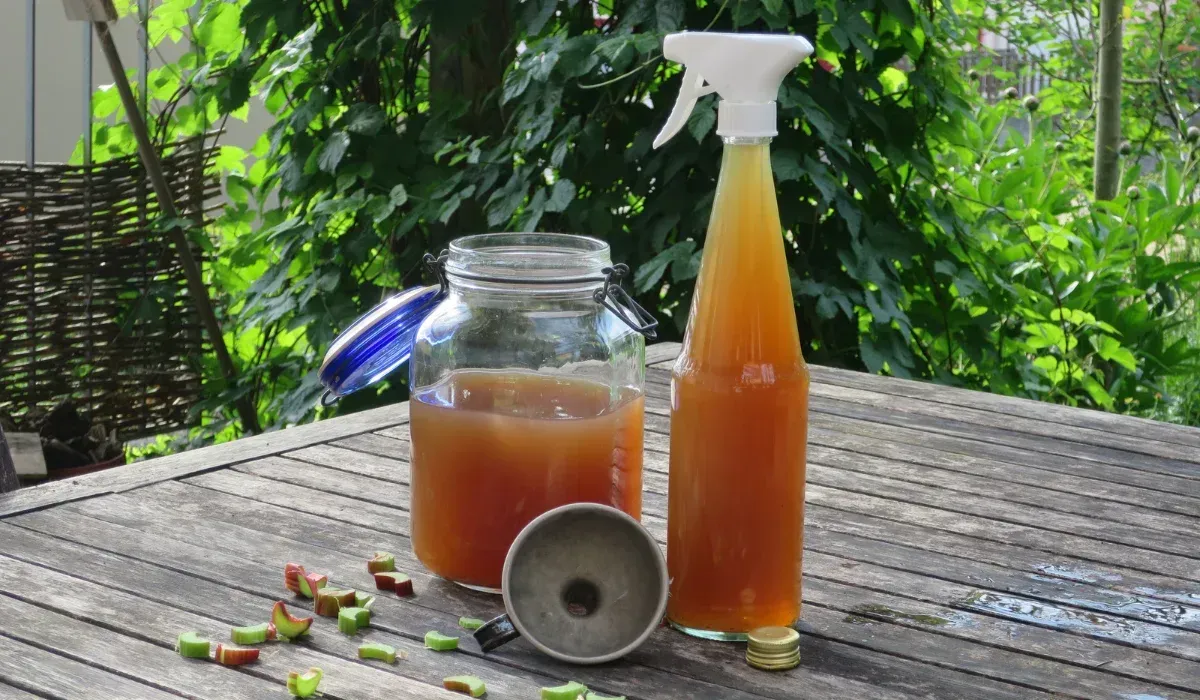
Using apple cider vinegar for gnats works better when you add two or three drops of liquid dish soap. The vinegar draws fruit flies toward its fermented smell. The soap lowers the liquid’s surface tension, making it harder for them to land and fly away. This guide explains how to build the trap, where to place it, which small flies it can catch, and what to inspect when the problem continues.
Why Apple Cider Vinegar for Gnats Needs Dish Soap
Apple cider vinegar smells like the fermenting materials fruit flies already seek. Ripe bananas, leaking produce, beer bottles, juice residue, and food waste can produce similar odors inside a kitchen.
Vinegar brings adult flies close to the cup, but plain vinegar does not always trap them. A small insect may touch the surface and escape before it sinks.
Dish soap changes how that surface behaves. A liquid naturally forms surface tension, which creates a thin layer across the top. Soap weakens the layer, so flies that touch the mixture are more likely to fall into the liquid.
Penn State Extension recommends using vinegar with one drop of unscented dish detergent. Its instructions explain that the detergent breaks the surface tension so captured flies sink rather than escape.
Plastic wrap, a paper funnel, and sugar are optional. They may narrow the entrance or add another food odor, but they do not perform the same job as dish soap.
| Trap Component | Purpose | Needed for a Basic Trap? |
|---|---|---|
| Apple cider vinegar | Produces a fermented odor that attracts fruit flies | Yes |
| Liquid dish soap | Lowers surface tension and helps keep flies in the liquid | Yes |
| Small cup or jar | Holds the mixture near visible activity | Yes |
| Plastic wrap | Creates a cover with small entry holes | No |
| Paper funnel | Guides flies through a narrow opening | No |
| Sugar | Adds a sweet food odor | No |
How to Make an Apple Cider Vinegar Gnat Trap
A homemade gnat trap does not need a complicated recipe. Use a small cup, short jar, or ramekin that can sit securely on the counter without tipping.
Pour 2 to 4 tablespoons of apple cider vinegar into the container. Add two or three drops of liquid dish soap, then swirl the mixture gently. You only need enough soap to change the surface, not enough to create a cap of bubbles.
This apple cider vinegar gnat trap can remain uncovered. You can also stretch plastic wrap across the top and make several small holes with a toothpick. The cover may make it harder for flies to leave, but the soap remains the main extra step.
Put the Trap in the Right Place
Set the DIY gnat trap close to the area where you see the most activity. In a kitchen, that may be beside a cleared fruit bowl, near a cleaned recycling bin, or on the counter close to the trash area.
Do not leave overripe fruit, sticky cans, dirty glasses, or open food beside the trap. Those odors can compete with the vinegar and lead the flies elsewhere.
Keep the container out of the sink, where water can dilute the mixture. Place it somewhere children and pets cannot reach or spill it.
Check the Trap Daily
Look at the trap once a day and replace the mixture when it becomes diluted, dirty, or crowded with insects. Fresh bait will not help much when the breeding source remains nearby.
The number of captured flies can help you identify a busy area. It does not prove that the insects are breeding directly beside the cup.
| Step | What to Do | What to Avoid |
|---|---|---|
| Choose the container | Use a small, stable cup or jar | Using a shallow dish that spills easily |
| Add the bait | Pour in 2 to 4 tablespoons of vinegar | Filling the container to the top |
| Add the soap | Use two or three drops | Adding a large squirt that creates heavy suds |
| Remove competition | Store produce and clean beverage residue | Leaving fruit or dirty bottles beside the trap |
| Select a location | Place it near visible fly activity | Hiding it inside a cabinet |
| Review the result | Check the cup and the surrounding area | Assuming every small fly responds to vinegar |
Does Apple Cider Vinegar Work on Every Type of Gnat?
The word “gnat” can describe several small flying insects found indoors. Fruit flies, fungus gnats, and drain flies may look similar during a quick glance, but they develop in different materials.
A vinegar and dish soap trap is best suited to fruit flies. It may catch an occasional fungus gnat or another small fly, but that does not make it the right control method for every infestation.
| Type of Fly | What You May Notice | Common Source | Value of a Vinegar Trap |
|---|---|---|---|
| Fruit fly | Small tan fly near produce, bottles, or trash | Fermenting food and beverage residue | High |
| Fungus gnat | Dark, mosquito-like fly near plants or windows | Moist potting material and decaying plant matter | Limited |
| Drain fly | Fuzzy fly resting near sinks or showers | Wet organic film in plumbing areas | Low |
Fruit Flies
Fruit flies are the strongest match for an apple cider vinegar trap. They gather around fermenting fruit, vegetables, beer, wine, soft drink residue, recycling, and trash.
The University of Minnesota Extension describes household fruit flies as about 1/16 to 1/8 inch long. It also connects them with fermenting produce, beverage containers, and garbage.
Check more than the fruit bowl. A damaged onion at the bottom of a bag, juice under an appliance, or liquid below a trash liner can support continued activity.
Fungus Gnats
Fungus gnats look more like tiny mosquitoes. They have dark bodies and long legs, and they often hover near potted plants or rest on nearby windows.
Their immature stages develop in moist potting material and decomposing organic matter. An apple cider vinegar and dish soap trap may collect a few adults, but it will not correct the damp conditions inside the pot.
Yellow sticky traps are more useful for monitoring adults around houseplants. Moisture management and drainage address the area where the infestation develops.
Drain Flies
Drain flies have fuzzy bodies and broad wings that resemble a tiny moth. You may see them resting on a bathroom wall, beside a floor drain, or near the kitchen sink.
They develop in wet organic buildup inside or around plumbing. A cup of vinegar beside the fixture does not clean that material, so the flies can continue emerging.
Why a Homemade Gnat Trap May Stop Working
A homemade gnat trap targets adult flies that reach the bait. It does not reach eggs or immature flies developing in produce residue, potting material, or drain buildup.
This explains why a trap may collect several adults while new ones keep appearing. The cup catches flies that are already moving through the room, but the source may continue producing more.
A trap can also stay empty while tiny flies remain visible. Fungus gnats may stay close to plant soil, while drain flies may rest beside plumbing. Neither group depends on fermenting food odors in the same way fruit flies do.
Placement affects the result too. A trap beside the sink may miss fruit flies developing near recycling across the room. Rather than adding cups to every counter, follow the activity and inspect likely breeding areas.
What the Trap Can Tell You
A busy trap suggests that fruit flies are active nearby. Comparing two trap locations may help narrow the search. One beside a recycling bin may collect more adults than another near the stove.
An empty trap can be useful as well. When flies gather around plants or drains but ignore fresh vinegar, reconsider the identification and focus on the material supporting them.
The trap works best as a monitoring tool and a way to reduce visible adults. Source removal is what helps stop the cycle.
How to Get Rid of Gnats at the Source
To get rid of gnats in the house, match the cleanup to the type of fly. A spotless counter will not dry houseplant soil, and watering plants less often will not remove residue from a recycling bin.
Remove Fermenting Food and Drink Residue
Inspect fruits and vegetables individually. Look beneath produce baskets and inside bags of onions or potatoes, where one damaged item can remain hidden.
Rinse bottles and cans before placing them in indoor recycling. Wash the recycling bin if beer, soda, juice, or wine has collected at the bottom.
Lift the trash liner and inspect the container underneath. Small leaks can leave food residue where it stays damp and out of sight.
Check cleaning cloths, mops, compost containers, drip trays, and the spaces below appliances. Fruit flies need only a small amount of fermenting material to remain active in a room.
Reduce Moisture Around Houseplants
The UC Statewide Integrated Pest Management Program states that fungus gnats thrive in moist conditions. It recommends avoiding overwatering and providing good drainage.
Allow the upper part of the potting material to dry when the plant can tolerate it. Confirm that drainage holes are open, then empty water left in saucers or decorative pots.
Remove fallen leaves and other decaying plant material from the soil surface. Check new plants before placing them beside the rest of your collection.
Do not pour the vinegar and soap mixture into a plant pot. Dish soap used as a trap ingredient is not intended as a soil treatment and may damage sensitive plants.
Clean Wet Plumbing Areas
Watch where drain flies rest. Repeated activity around one sink, shower, or floor drain can help you locate the affected fixture.
Clean accessible organic buildup according to the drain or fixture manufacturer’s instructions. Pouring vinegar into the opening may not remove material attached to the sides.
Never combine vinegar with bleach, ammonia, drain opener, or other cleaning products. Some mixtures can create harmful fumes or dangerous reactions.
Get Better Results From Apple Cider Vinegar for Gnats
Using apple cider vinegar for gnats works best when fruit flies are the actual problem. Add a few drops of dish soap, place the trap near the activity, and remove competing food odors from the area.
The cup can reduce adult flies, but it cannot correct wet potting material, remove drain buildup, or find fermenting residue hidden below an appliance. When new flies keep appearing, the source is still active or the insect has been misidentified.
EcoForce Pest Management inspects homes and businesses to identify the type of gnat and the conditions supporting it. That approach saves you from repeatedly replacing DIY traps that do not match the pest. It also gives you a plan based on the actual breeding area rather than the place where the adults happen to land.
For persistent activity in Texas, contact EcoForce Pest Management to request a free quote and schedule gnat control.
Start Being Pest Free Today!
Contact Us