
The Types of Scorpions in Texas and the One That Rules Austin
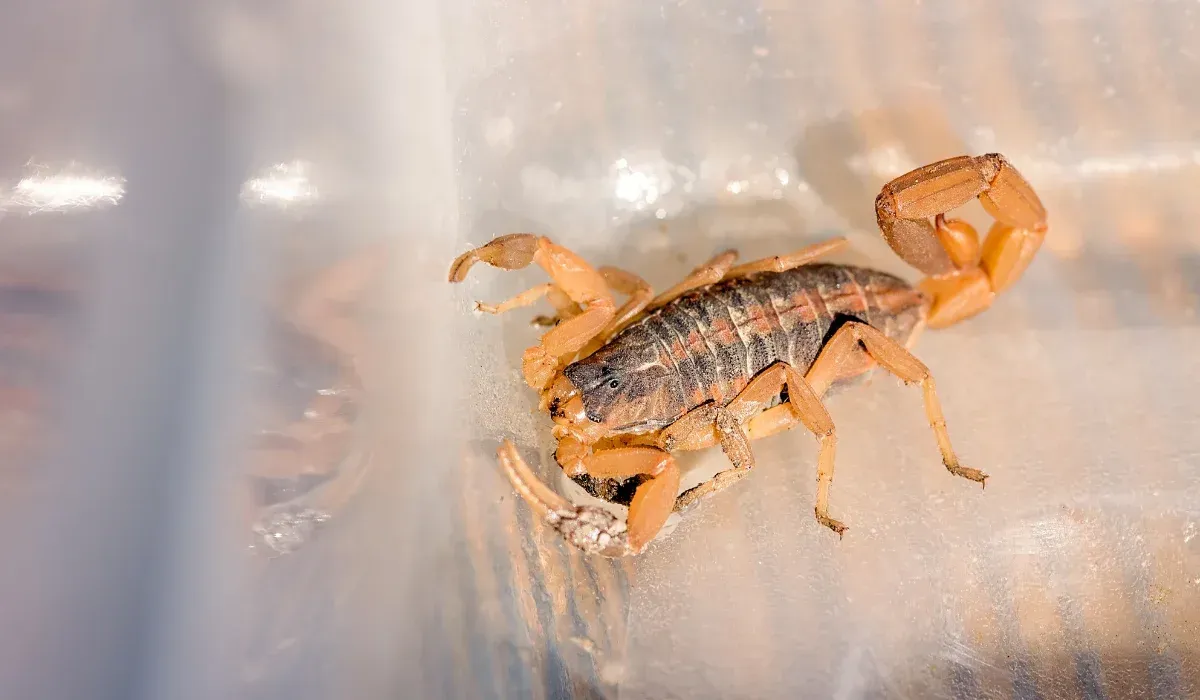
You move a storage box in the garage and spot a tan scorpion pressed against the wall. Before you can get a closer look, it slips behind the baseboard. The sighting feels sudden, but the scorpion reached that spot through an opening and stayed because it found shelter or prey.
Texas has 18 recorded scorpion species. Of all the
types of scorpions in Texas, the striped bark scorpion is the one Austin homeowners encounter most often. This guide explains which species live in the state, why striped bark scorpions thrive around Central Texas homes, how scorpion identification works, what to expect from a sting, and which prevention steps make the biggest difference.
How Many Types of Scorpions Live in Texas?
There are 18 recorded types of scorpions in Texas, but most have limited regional ranges. West Texas supports the greatest variety because its valleys, desert flats, mountain slopes, and rocky canyons create several distinct habitats.
The Texas A&M AgriLife Extension guide records two species near Austin and 14 in Big Bend National Park. The striped bark scorpion is the only Texas scorpion species found across the entire state.
| Texas Area | Recorded Species | What It Means for Homeowners |
|---|---|---|
| East Texas | 1 | The striped bark scorpion is the main species present |
| Austin area | 2 | Central Texas has limited scorpion diversity |
| Abilene area | 3 | Drier habitats support more species |
| Amarillo area | 4 | Grassland and dry-country ranges overlap |
| Fort Stockton area | 5 | Desert conditions support greater variety |
| Fort Davis region | 8 | Mountain and desert habitats occur close together |
| Langtry area | 8 | Rocky, arid terrain creates several shelter types |
| Big Bend National Park | 14 | The region has the state's highest recorded diversity |
| Texas total | 18 | Most species stay within part of the state |
For an Austin homeowner, the local range matters more than the statewide total. A scorpion on a garage wall, near a patio door, or inside an attic is far more likely to be a striped bark scorpion than a ground-dwelling species from the Trans-Pecos.
Common Types of Scorpions in Texas
The common types of scorpions in Texas occupy habitats that range from oak-covered hills to open desert. Some hide under loose bark and boards. Others spend most of their lives near soil, rocks, caves, or burrows.
The groups below show which Texas scorpion species matter around Austin and which belong mainly to distant parts of the state.
| Scorpion Type | Main Texas Range | Typical Shelter | Austin Home Relevance |
|---|---|---|---|
| Striped bark scorpion | Statewide | Bark, rocks, boards, walls, debris, and attics | High |
| Central Texas rock and cave scorpions | Parts of Central Texas | Limestone cracks, caves, and protected rock | Low |
| Desert ground scorpions | West and Southwest Texas | Burrows, stones, soil cracks, and desert debris | Very low |
| Mountain and canyon scorpions | Far West Texas | Rocky slopes, ledges, and canyon walls | Very low |
| Sand and desert-flat scorpions | Trans-Pecos region | Loose soil, sand, and sparse ground cover | Very low |
Striped Bark Scorpions
The striped bark scorpion is the most common and widespread scorpion in Texas. Adults are usually about 2.5 inches long. Their bodies range from pale yellow to tan, with two darker stripes running along the back.
Their pincers are narrow rather than heavy, and the tail is long and slender. The markings may look bold on one scorpion and faint on another, so color alone does not provide a reliable identification.
Central Texas Rock and Cave Scorpions
Central Texas also supports scorpions associated with caves, limestone cracks, and sheltered rock. These habitats occur around the Austin area, but the scorpions that use them are less likely to enter a typical home.
A scorpion moving across a garage wall or hiding in an attic is still more likely to be a striped bark scorpion. Its climbing habits and statewide range make it more closely connected with residential sightings.
West Texas Desert Scorpions
Most Texas scorpion diversity occurs west of Central Texas. Mountain ranges, desert soil, sandy flats, and rocky canyons allow different species to occupy relatively small ranges.
Many of these scorpions stay near the ground and hide beneath stones or inside burrows. They matter to residents, hikers, and campers in West Texas, but they rarely affect homes in Austin, Round Rock, Cedar Park, or Georgetown.
Why Striped Bark Scorpions Thrive in Austin
Striped bark scorpions in Austin can move between natural shelter and a house without changing much about how they live. Loose oak bark, limestone landscaping, stacked firewood, retaining walls, and shaded yard debris all provide daytime cover.
They also climb well. A striped bark scorpion can move across rough stone, siding, fences, tree trunks, and masonry. From there, gaps around roof eaves, doors, vents, pipes, or utility lines may provide a path indoors.
Austin Yards Offer Shelter Near the House
A firewood stack beside an exterior wall creates a cool place to rest. Boards on the soil, crowded storage areas, fallen limbs, and dense ground cover can provide similar protection.
These areas also attract prey. Crickets gather near foundations and garage doors. Cockroaches use damp spaces and wall gaps. Spiders build webs around lights, eaves, and patio furniture. When food and shelter sit close to the house, scorpion activity can follow.
Garages and Attics Provide Indoor Hiding Places
Garage doors rarely seal as tightly as entry doors. A worn bottom seal, damaged weather-stripping, or gap beside the frame can leave enough room for a scorpion to pass through. Boxes and stored materials then give it a place to hide.
Attics create another route. Scorpions may reach them through vents, roofline gaps, utility openings, or branches that touch the structure. Hot attic conditions can send them toward cooler spaces below, including bathrooms, closets, and bedrooms.
How to Handle Scorpion Identification in Austin
Scorpion identification starts with shape rather than color. A long tail, narrow pincers, and a slim body point toward a striped bark scorpion. Two dark lines along the back support the identification, although the stripes may look faint.
| Feature | What to Look For |
|---|---|
| Adult length | About 2.5 inches |
| Body color | Pale yellow, tan, or light brown |
| Back markings | Two dark lengthwise stripes that may be faint |
| Pincers | Narrow and elongated |
| Tail | Long, slim, and clearly segmented |
| Activity | Most active after dark |
| Movement | Climbs walls, bark, masonry, and rough surfaces |
| Hiding places | Garages, attics, wall gaps, rocks, boards, and bark |
A scorpion may move out of sight before you can study every feature. Pay attention to where you found it as well. A scorpion on a vertical wall or attic beam is more consistent with a striped bark scorpion than a species that stays near desert soil.
Using a Blacklight
A handheld ultraviolet light can make a scorpion glow against concrete, soil, wood, or flooring. The contrast helps during nighttime inspections around patios, garage edges, stone walls, and foundations.
The glow does not identify the species. Use the light to locate the animal, then compare its body shape, tail, pincers, and markings.
Avoid Confusing Wind Scorpions With True Scorpions
Wind scorpions move quickly and have large jaws, so they can look threatening at first. They are arachnids, but they are not true scorpions and do not have a curved tail with a stinger.
That distinction matters when discussing how many scorpions live in Texas. Wind scorpions belong to a separate group and are not part of the state’s total of 18 recorded species.
What Texas Scorpions Eat and Where They Hide
Scorpions hunt living prey. They do not feed on wood, clothing, insulation, or pantry goods. A scorpion inside or near a house is usually looking for protection or the small animals it eats.
The Texas Parks and Wildlife Department lists insects, spiders, centipedes, and other scorpions as prey. It also notes that striped bark scorpions are active mainly at night and hide under rocks, boards, bark, and ground litter during the day.
Crickets often gather near foundations, patios, and garage doors. Cockroaches use drains, wall gaps, and damp areas. Spiders collect around exterior lights, sheds, and roof eaves. These pests can provide a dependable food supply for scorpions in Austin.
One indoor sighting does not prove that your home has a scorpion infestation. Repeated sightings may point to active prey, nearby outdoor shelter, or an entry point that remains open. Effective scorpion control should address all three conditions.
Are Texas Scorpions Dangerous?
All true scorpions use venom, but most Texas scorpion stings cause pain and symptoms near the sting site. Burning, redness, swelling, tingling, and numbness are common reactions.
Children, older adults, and people with sting allergies may react more strongly. Anyone who develops trouble breathing, difficulty swallowing, unusual muscle movement, loss of consciousness, or symptoms beyond the sting area needs prompt medical attention.
The Poison Control guide to scorpion stings recommends washing the area with soap and water and calling 1-800-222-1222 for guidance based on the specific situation. Do not cut the skin, attempt to remove venom, or use a tourniquet. Call 911 for breathing problems, a severe allergic reaction, or another immediate emergency.
How to Keep Scorpions Out of an Austin Home
Scorpion prevention begins with the openings around your home. Check door sweeps, garage seals, window screens, roof eaves, vents, plumbing lines, and utility penetrations. Replace worn materials and seal gaps with products designed for that part of the structure.
Remove shelter near the foundation as well. Move firewood, bricks, spare lumber, and unused landscaping materials away from exterior walls. Trim branches that touch the roof or siding, and store garage items in sealed plastic containers instead of open cardboard boxes.
Shake out shoes, gloves, towels, and clothing stored in garages or outdoor areas. Wear gloves when moving rocks, wood, or landscaping materials. A blacklight inspection can show where scorpions travel after dark, but it will not close gaps or remove the prey drawing them closer.
Why Professional Scorpion Control Can Help
Catching one scorpion tells you where it ended up, not how it entered. Repeat sightings in bathrooms, bedrooms, closets, or attics often point to a hidden access point, nearby shelter, or a steady prey population.
EcoForce Pest Management checks the conditions behind those sightings. A technician can inspect garage seals, roofline access, utility openings, landscaping, storage areas, and insect activity before recommending a scorpion control plan.
The striped bark scorpion thrives around Austin because it climbs well, fits through small gaps, and finds shelter in both yards and buildings. A professional inspection can reveal access points that are easy to miss and help reduce the conditions supporting continued activity.
Contact EcoForce Pest Management to schedule an inspection for your Austin-area home. Same-day and next-day appointments may be available, and the service plan can be matched to the entry points, prey activity, and shelter found on your property.
Start Being Pest Free Today!
Contact Us