
Baby Bed Bugs Are Nearly Invisible, and That Is the Problem
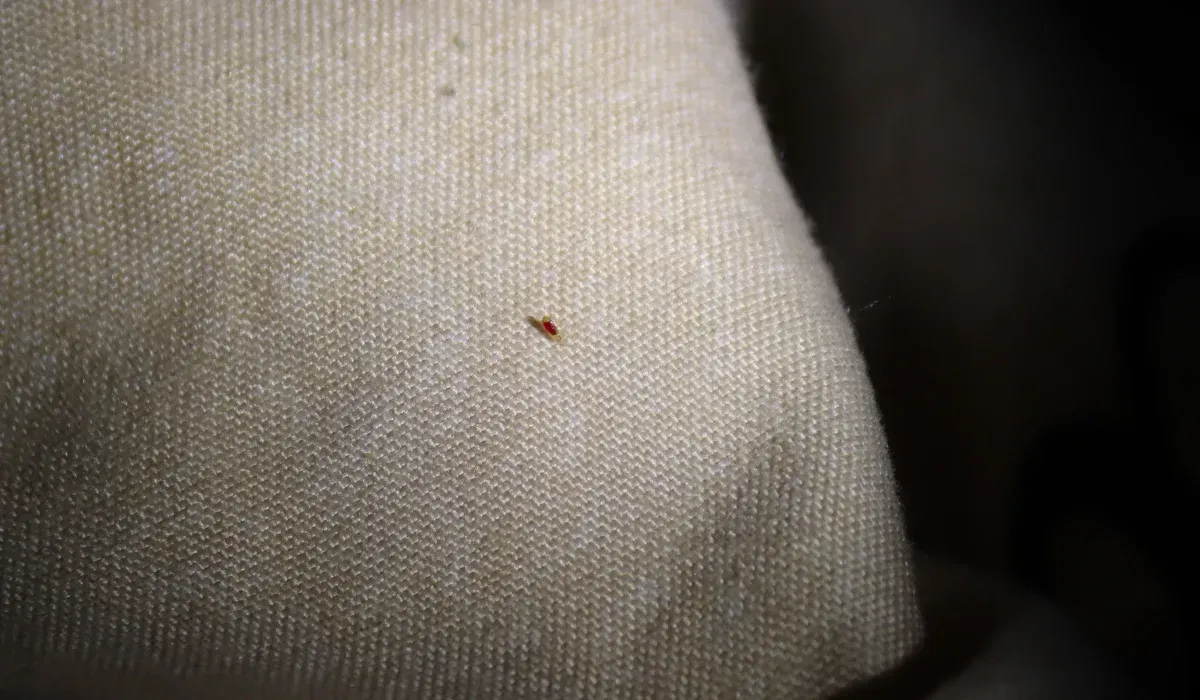
You pull back the sheet and notice a pale speck moving beside the mattress piping. It is smaller than a grain of rice, almost the same color as the fabric, and gone before you can focus on it. That quick movement is easy to dismiss, but baby bed bugs often look exactly like this during the earliest stage of an infestation.
Baby bed bugs are visible without a microscope. Newly hatched nymphs are simply tiny, pale, flat, and quick to slip into seams or furniture joints. This guide explains what they look like, where they hide, which signs confirm activity, and what to do before the problem spreads.
What Do Baby Bed Bugs Look Like?
Baby bed bugs are immature bed bugs called nymphs. They have six legs, two antennae, no functional wings, and a broad oval body. Their shape resembles an adult bed bug, but their smaller size and lighter color make them harder to recognize on bedding or furniture.
Newborn bed bugs may look nearly clear, cream-colored, or pale yellow before feeding. On a light mattress, an unfed nymph can resemble a flake of dry skin until it starts moving. Bed bug nymphs crawl rather than jump, which helps separate them from fleas.
In its bed bug guide, the University of Minnesota Extension reports that a newly hatched nymph measures about 1/16 inch, or roughly 1.6 millimeters. It also states that one female can lay 200 to 250 eggs during her lifetime and that eggs usually hatch within six to 10 days.
| Feature | Verified Description |
|---|---|
| Newly hatched nymph size | About 1/16 inch, or 1.6 millimeters |
| Color before feeding | Nearly clear, cream-colored, or pale yellow |
| Egg size | About 1/16 inch |
| Typical egg hatch period | 6 to 10 days |
| Eggs laid by one female | About 200 to 250 during her lifetime |
How Feeding Changes Their Appearance
A recent blood meal makes a young bed bug look redder and fuller. Fresh blood shows through the pale abdomen, then darkens as the meal is digested. This is why two nymphs from the same infestation can look different.
The bed bug life cycle includes five immature stages. A nymph needs a blood meal before each molt, and every molt leaves behind a pale cast skin. Those empty skins may be easier to spot than the live insects.
Why Are Baby Bed Bugs So Hard to See?
Baby bed bug size is only one part of the detection problem. Their pale bodies blend into sheets, mattress fabric, dust, and unfinished wood. Before feeding, their flat shape lets them enter seams and joints that appear closed from a normal viewing angle.
These insects also spend most of their time sheltered. They settle inside mattress piping, screw holes, headboard joints, trim gaps, and upholstered furniture. You may scan the open surface of a bed and see nothing while young bed bugs remain hidden a few inches away.
| Detection Challenge | Why It Matters |
|---|---|
| Pale coloring | Nymphs blend into light fabrics and wood |
| Small size | A newly hatched bug can look like lint |
| Flat body | The insect can enter narrow seams and joints |
| Sheltered behavior | Open surfaces may appear clean |
| Feeding schedule | Movement often occurs while people rest |
Cleanliness does not determine whether a home gets bed bugs. They travel inside luggage, clothing, backpacks, moving boxes, and furniture. Travel, apartment moves, overnight guests, and secondhand furniture can all bring them into homes around Austin and San Antonio.
Where Do Baby Bed Bugs Hide?
Begin with the exact place where you found the insect, stain, or cast skin. Use a bright flashlight and inspect one small area at a time. Shine the light across seams from the side, since a pale nymph is easier to see when its body casts a slight shadow.
Around the Bed
Check mattress piping, labels, stitching, handles, and fabric folds. Inspect the underside as carefully as the sleeping surface. Baby bed bugs on a mattress usually stay close to seams rather than crossing open fabric.
Next, examine the box spring, bed frame, and headboard. Look around staples, torn fabric, corner guards, screw holes, brackets, decorative grooves, and mounting hardware. These protected spaces are dark, narrow, and rarely disturbed.
Beyond the Mattress
When you find evidence around the bed, inspect nearby nightstands, upholstered chairs, couches, dresser joints, curtain folds, and baseboards. Focus on places where someone sits or sleeps for long periods.
Do not carry an unwrapped mattress, chair, or bundle of bedding into another room. Bugs and eggs can fall from exposed items during the move and create new hiding areas.
Which Signs Confirm Bed Bug Activity?
Bites alone cannot confirm baby bed bugs. Fleas, mosquitoes, skin irritation, and several medical conditions can leave similar marks. People also react differently, so one person may develop itchy welts while another person in the same room shows no visible reaction.
According to the Centers for Disease Control and Prevention (CDC), skin reactions are not specific enough for diagnosis. Confirmation depends on finding and identifying an adult or nymph near the place where the person was bitten. The CDC also states that bed bugs are not known to spread disease to people.
| Sign | What It Looks Like | Where to Check |
|---|---|---|
| Live nymph | Small, pale, flat insect that crawls | Mattress seams and bed-frame joints |
| Cast skin | Dry, hollow, pale bed bug shape | Box springs and furniture cracks |
| Egg | Tiny white oval attached to a surface | Protected seams and gaps |
| Fecal spot | Dark mark resembling an ink dot | Mattress fabric, wood, and walls |
| Rust-colored stain | Small red or brown mark | Sheets and mattress covers |
| Adult bed bug | Flat brown insect about apple-seed size | Beds, couches, and nearby furniture |
The Environmental Protection Agency (EPA) advises homeowners to check for reddish stains, dark pinpoint spots, eggs, eggshells, live insects, and pale yellow skins. Cast skins are especially useful because they remain after a nymph moves away and show that development occurred nearby.
Why Cast Skins Matter
A cast skin shows that a nymph fed and developed in or near that location. One skin cannot reveal the size of a bed bug infestation, but several skins in the same seam or furniture joint point to repeated activity.
Photograph the evidence before cleaning the area. That record can help with identification when no live specimen is available.
Baby Bed Bugs vs. Common Lookalikes
Several indoor pests resemble baby bed bugs when viewed quickly. Bed bug nymphs have broad, flattened bodies, no visible hairs, and no jumping ability. Their abdomens may look red after feeding, but the basic oval shape remains the same.
Fleas and Carpet Beetle Larvae
Fleas have narrow bodies and enlarged hind legs. They can jump suddenly, while bed bug nymphs only crawl. Flea activity is also more likely near pets, pet bedding, rugs, or wildlife entry points.
Carpet beetle larvae look longer and more tapered. Their bodies have visible hairs or bristles, and they usually appear near carpets, closets, stored fabrics, or windows.
Booklice and Cockroach Nymphs
Booklice are pale and tiny, but they tend to appear around moisture, paper, mold, or stored goods. Young cockroaches have longer antennae, a more elongated body, and often move toward cabinets, appliances, bathrooms, or kitchens.
Capture the insect when possible. Place it in a sealed container or on clear tape without crushing it. A close photo with a ruler or coin beside it can also help establish size.
What Should You Do If You Find Baby Bed Bugs?
Preserve the specimen and record the room, furniture item, and exact spot where you found it. Keep exposed belongings in place until you have a plan. Carrying loose bedding, clothing, or furniture through the home can spread insects into other rooms.
Avoid random spraying. A surface product may kill a visible insect without reaching eggs or bugs inside seams, wall gaps, furniture joints, or a box spring. Do not mix household products or apply anything to a mattress unless the label specifically allows that use.
Get a Clear Identification
Finding one nymph does not show whether the problem is limited to one item or spread through the room. A professional inspection can confirm the pest, trace likely hiding areas, and determine how much of the property needs attention.
That step matters because bed bugs do not remain on open surfaces. Treating the wrong insect or moving exposed furniture can make the problem harder to track.
Stop the Infestation Before It Spreads
Baby bed bugs are easy to overlook, but the evidence around them is often easier to find. Cast skins, eggs, fecal spots, and live specimens provide a clearer answer than bites alone.
EcoForce Pest Management serves homes and businesses. Our local team can inspect likely hiding places, confirm what you found, and recommend service based on the location and extent of the activity.
Contact EcoForce Pest Management when you find a live nymph, cast skins, eggs, or repeated spotting near a bed or couch. Professional service provides a clear diagnosis and a treatment plan built around your property, helping stop the infestation before bugs reach additional rooms.
Start Being Pest Free Today!
Contact Us