
Cockroaches in Texas: What Homeowners Ask Us
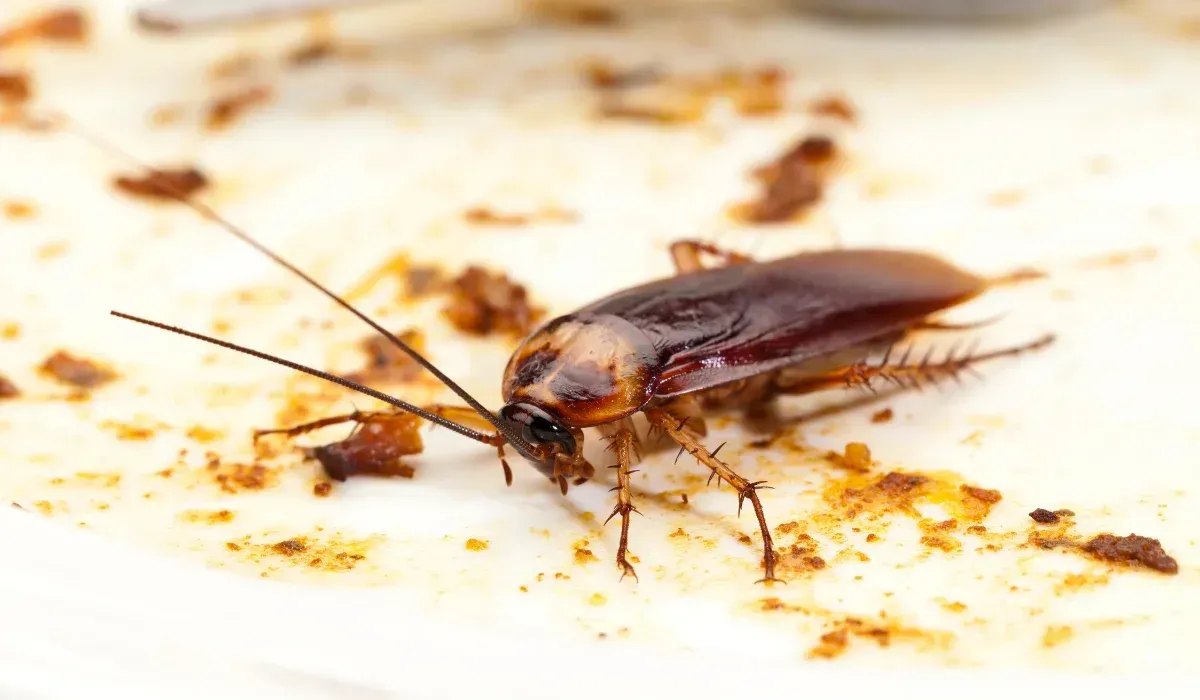
You turn on the kitchen light late at night and catch a roach moving beside the sink or slipping under the stove. Seconds later, it is gone. The cockroaches Texas homeowners see do not all mean the same thing. One may have wandered indoors from the yard, while another may be part of a cockroach infestation living behind your cabinets.
Size, color, location, and how often you see roaches give you useful clues. This guide covers the common cockroaches in Texas, what attracts them to homes, signs that they are breeding indoors, and what actually helps with cockroach control.
What Cockroaches Texas Homeowners See Most Often?
German, American, smokybrown, and Oriental cockroaches are among the types of cockroaches in Texas that homeowners encounter around houses and other structures. They differ in appearance, but where you find them often tells you more than color alone.
A small roach living behind a refrigerator calls for a different approach than a large roach entering from a garage, drain, or exterior wall.
| Cockroach | Typical Adult Size | What You May Notice | Where It Commonly Turns Up |
|---|---|---|---|
| German cockroach | 1/2 to 5/8 inch | Light brown with two dark stripes behind the head | Kitchens, bathrooms, cabinets, appliances |
| American cockroach | 1 1/2 to 2 inches | Large and reddish brown with a pale border behind the head | Drains, sewers, garages, utility spaces |
| Smokybrown cockroach | 1 1/4 to 1 1/2 inches | Uniform dark brown to nearly black | Mulch, tree holes, attics, soffits, firewood |
| Oriental cockroach | About 1 to 1 1/4 inches | Glossy dark brown to black | Damp ground-level areas, crawl spaces, drains |
Small Roaches in the Kitchen Need a Closer Look
German cockroaches stay much smaller than the large roaches Texans often notice outdoors. Their size lets them disappear into cabinet joints, appliance gaps, plumbing openings, and other narrow spaces that rarely get disturbed.
Texas A&M Urban Entomology describes German cockroaches as indoor pests and notes that large populations may spread beyond kitchens into other rooms. It also recommends sanitation, removing food and water sources, and inspecting boxes and bags before bringing them indoors.
If you see several small tan roaches near the refrigerator, dishwasher, or sink, do not assume they are young versions of the large cockroaches outside. The roaches may be German cockroaches already living in that part of the home.
Large Cockroaches Often Have an Outdoor Source
The large cockroaches Texas homeowners notice are often American or smokybrown cockroaches. American cockroaches can reach 1 1/2 to 2 inches long, making them much more noticeable than German cockroaches.
American cockroaches prefer humid areas and may live outdoors beneath bark or leaf litter as well as inside sewer systems. Adults have developed wings but seldom fly, although they are capable of gliding flight.
Finding one beside a garage door or drain does not prove that it is breeding inside. That context becomes important when deciding whether you have an indoor infestation or an entry problem.
Does One Cockroach Mean You Have an Infestation?
A single sighting confirms that a cockroach reached that spot. It does not tell you how many others are present or whether they are reproducing inside your home.
One large outdoor roach near a doorway may be an accidental visitor. Several small roaches appearing around appliances, cabinets, food storage, or plumbing deserve more attention.
| What You See | What It May Suggest |
|---|---|
| One large roach near an exterior door | It may have entered from outdoors |
| Large roach near a drain or utility room | Moisture or an access point may be nearby |
| Several small tan roaches in the kitchen | Possible German cockroach infestation |
| Adults and small nymphs in one area | Cockroaches may be reproducing nearby |
| Egg cases around appliances or cabinets | Current or recent cockroach activity |
| Cockroach droppings concentrated along cracks | A hiding area may be close |
| Sightings in several rooms | Activity may extend beyond one location |
Nymphs and Egg Cases Tell You More
A small nymph gives you different information from a large adult that just came through an exterior opening. If young roaches appear in the same kitchen or bathroom where adults are active, eggs have hatched somewhere nearby.
Egg cases are another sign worth noting. You may find them around cabinets, appliances, stored items, or other sheltered spots. They do not tell you the exact number of cockroaches present, but they make an accidental one-time visitor less likely.
Repeated Sightings Matter
One cockroach may disappear and never return. An established population tends to create a pattern.
You might notice small roaches near the same appliance after dark, then begin seeing them inside a neighboring cabinet. Repeated sightings in one location give you a useful place to begin inspecting for food residue, moisture, cracks, droppings, and hiding spaces.
Why Do Cockroaches Come Into Texas Homes?
A clean Texas home can still have cockroaches. Roaches respond to accessible food, water, shelter, and openings into the structure, not whether a kitchen looks tidy from across the room.
A slow leak beneath a sink can support activity. So can pet food left overnight, grease beneath the stove, a damp utility space, or a gap around a plumbing line. Outdoor cockroaches may simply follow a route inside.
Roaches in the Kitchen Have Plenty to Work With
Pull a refrigerator away from the wall and you may find a very different environment from the rest of the kitchen. The space stays warm. Crumbs and grease can collect underneath. A water line or condensation tray may add moisture.
Dishwashers, stoves, sink cabinets, and pantry shelving create similar protected spaces. This is why roaches in a kitchen can persist even when counters and floors are cleaned regularly.
When small cockroaches keep appearing in one part of the kitchen, check behind and beneath appliances instead of focusing only on the places you can see easily.
Roaches in the Bathroom May Point to Moisture or Entry
Bathrooms have fewer food sources, but plumbing gives cockroaches other reasons to show up. Pipe penetrations, drains, sink cabinets, condensation, and small leaks create damp areas and hidden travel routes.
If you repeatedly find a large cockroach near the same bathroom or utility closet, check for gaps around pipes and other openings. The roach may be entering there rather than living in the room.
Central Texas Landscaping Can Put Roaches Close to the House
The exterior deserves attention when large roaches keep coming indoors. Leaf litter, stacked firewood, tree bark, thick ground cover, and damp shaded areas provide shelter for several outdoor species.
Around Austin and San Antonio, irrigated landscape beds can stay moist close to foundations even during hot weather. Attached garages, patios, utility penetrations, and mature landscaping then provide possible routes toward the structure.
You do not need to clear every plant away from the house. Cockroach prevention starts with reducing heavy debris near exterior walls and closing obvious gaps that connect outdoor hiding places to indoor space.
Are Cockroaches in Texas a Health Concern?
Recurring indoor cockroach activity is worth addressing for reasons beyond appearance. Cockroach droppings, shed material, and body parts contain allergens that can trigger symptoms in people who are sensitive to them.
The Centers for Disease Control and Prevention (CDC) identifies cockroaches among indoor asthma triggers. Its recommendations include keeping kitchens clean, storing food and garbage in closed containers, eliminating standing water, and sealing openings around walls, cabinets, flooring, and plumbing.
This issue is most relevant when cockroaches are living indoors and leaving allergen material in areas people use every day. A single large outdoor roach crossing a garage floor is a different situation from recurring German cockroach activity inside kitchen cabinets.
Cockroaches also move through drains, garbage, decaying material, and other unsanitary areas. Keeping them out of food preparation and food storage spaces is a practical sanitation measure even when nobody in the home has asthma or a known cockroach allergy.
What Actually Helps With Cockroach Control?
Start with the reason the roaches are there. If German cockroaches are living around a dishwasher, killing the one you see on the floor does not reach the hiding area. If American cockroaches keep entering beneath a garage door, treating kitchen cabinets does not close the gap.
Effective cockroach control depends on identification, inspection, sanitation, moisture correction, exclusion, and targeted treatment where activity is occurring. The exact mix changes with the species and the property.
| Area to Check | Look For | What to Do |
|---|---|---|
| Exterior doors | Worn sweeps or visible gaps | Repair sweeps and weather stripping |
| Plumbing | Gaps around pipes or leaking fittings | Seal openings and repair leaks |
| Appliances | Crumbs, grease, moisture underneath | Pull appliances out and clean beneath them |
| Pet feeding areas | Food or water left overnight | Clean the area and store food securely |
| Pantry | Open packages and excess cardboard | Seal food and reduce clutter |
| Bathroom | Damp cabinets or fixture leaks | Dry the area and correct the moisture source |
| Garage | Boxes, clutter, gaps around doors | Reduce shelter and improve sealing |
| Exterior | Dense debris, firewood, heavy mulch | Reduce harborage next to the structure |
Why Bug Bombs Often Miss the Problem
Foggers treat exposed space. Cockroaches spend much of their time in cracks, cabinet joints, appliance gaps, wall openings, and other protected places.
A fogger may kill roaches that happen to be exposed without addressing the areas where the population is concentrated. Monitoring traps can provide more useful information by showing where roaches are actually traveling.
Sanitation helps for the same reason. Removing grease, crumbs, standing water, and clutter reduces the resources competing with bait and eliminates some of the conditions that support an infestation.
Match Cockroach Prevention to the Species
German cockroach prevention starts indoors. Pay close attention to kitchens, bathrooms, appliances, plumbing, food storage, cardboard, and belongings being brought into the home.
For American and smokybrown cockroaches, spend more time checking the exterior. Door sweeps, soffits, utility openings, drains, garage doors, mulch, firewood, and landscape debris may explain why large roaches keep appearing.
Treating every cockroach sighting the same way wastes effort. Species identification helps you decide whether to look behind the refrigerator or outside along the foundation.
When Should You Call for Professional Cockroach Control?
One large roach near an open garage may have a simple explanation. Repeated small roaches, nymphs, egg cases, cockroach droppings, or activity in several rooms point toward a problem that is harder to solve by removing individual insects.
Professional service is useful when you cannot identify the cockroach, cannot locate the source, or keep seeing activity after correcting obvious food, moisture, and entry issues. The value is not simply having someone apply a treatment. A proper inspection can separate an indoor breeding problem from outdoor cockroaches entering the structure and focus control where it will have the most effect.
EcoForce Pest Management provides cockroach control throughout the Austin and San Antonio metro areas. If cockroaches keep returning to your Texas home, contact EcoForce Pest Management to schedule an inspection.
You will get a plan based on the species, where the activity starts, and the conditions around your property rather than a generic one-size-fits-all treatment.
Start Being Pest Free Today!
Contact Us