
Ant Species in Texas: What Homeowners Ask Us
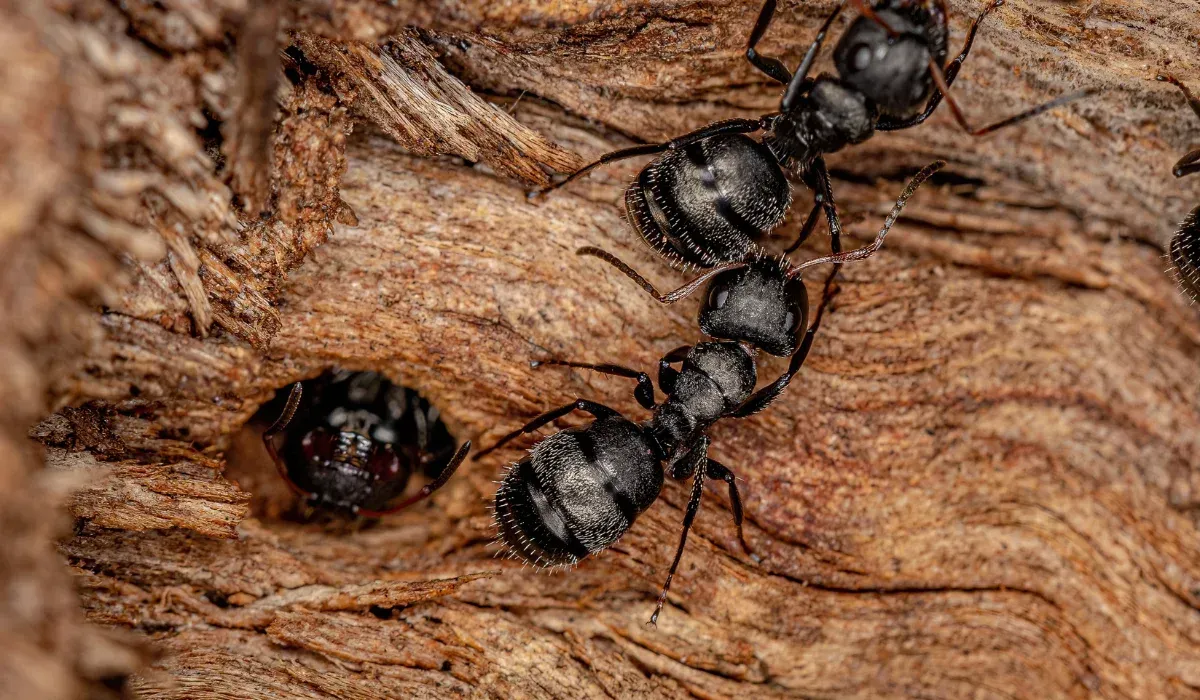
You wipe down the kitchen counter, come back later, and find a trail running from the baseboard toward the sink. Outside, you might notice a fresh mound in the lawn or large ants moving along a fence after dark. The ant species behind those sightings in Texas can have very different nesting habits, behaviors, and control needs.
There are 300 ant species in Texas, but most are not household pests. You only need to recognize the types that regularly show up around homes. This guide covers the common ants in the Lone Star state, the clues that help with identification, and the situations that call for a closer look.
Common Ant Species in Texas Homeowners See
The ant species in Texas that cause the most concern around homes range from tiny indoor ants to large outdoor species with obvious nests. Size helps, but location and behavior usually tell you more.
Think about where the activity started. Ants disappearing behind a kitchen cabinet point to a different problem than workers streaming from an ant mound in the yard. The table below gives you a practical starting point for identifying some of the most common ant species found around Texas properties.
| Ant | General Size | Where You May See It | Useful Identification Clue |
|---|---|---|---|
| Red imported fire ant | Small, with workers of different sizes | Lawns, open soil, landscaped areas | Raised mound and rapid defensive response |
| Carpenter ant | Large | Trees, fences, walls, doors, window frames | Large workers, often active after dark |
| Pharaoh ant | Very small | Kitchens, bathrooms, wall voids | Pale yellow to reddish workers |
| Rover ant | Very small | Foundations, potted plants, walls, damp areas | Tiny workers that are similar in size |
| Odorous house ant | Small | Counters, mulch, stones, wall voids | Distinct odor when crushed |
| Tawny crazy ant | Very small | Landscaping and areas around structures | Fast, irregular movement |
| Acrobat ant | Small to medium | Trees, damaged wood, wall voids | Heart-shaped abdomen that may be raised |
| Texas leafcutting ant | Workers vary in size | Yards, gardens, open soil | Workers carrying pieces of vegetation |
A photo can help with ant identification, but one image does not always tell the whole story. Watch the trail, note the worker size, and look for a nest or entry point before disturbing the activity.
Which Types of Ants in Texas Need More Attention?
Some types of ants in Texas are mainly nuisance pests. Others can sting, establish persistent ant colonies, or lead you toward moisture and structural conditions that need attention.
Fire Ants in Texas
You spot a loose mound in the lawn and touch the soil with a shoe or garden tool. Within seconds, ants begin moving up through the nest and onto whatever disturbed it. That quick defensive response is a strong clue that you could be dealing with imported fire ants.
The USDA Animal and Plant Health Inspection Service reports that workers are about ⅛ to ¼ inch long. Mature ant mounds can reach 18 to 24 inches high, and individual ants can sting repeatedly.
Fire ants in Texas deserve extra caution around lawns, play areas, walkways, and places where pets spend time. Color alone is not enough for a positive identification because several Texas ants can appear reddish brown.
Carpenter Ants in Texas
Large ants moving across a fence, tree limb, exterior wall, or roof edge after dark tend to stand out. Carpenter ants in Texas are among the larger ants homeowners encounter, and their activity often follows well-defined routes.
They do not eat wood as food. Instead, they can remove material while creating or expanding nesting space. Moisture-damaged wood, existing cavities, door frames, windows, and wall voids can all provide useful shelter.
Texas A&M AgriLife reports 18 recorded carpenter ant species in Texas. The species commonly found indoors measures about ¼ to ⅜ inch, while winged reproductive ants may approach ½ inch.
One carpenter ant crossing a room does not confirm an indoor colony. Repeated nighttime activity, winged ants emerging indoors, or workers entering the same section of wood gives you a stronger reason to investigate.
Tiny Ants in the House
Tiny ants around a sink or backsplash can be much harder to identify. Pharaoh ants, rover ants, and odorous house ants may all show up indoors, but their nesting habits are not identical.
Rover ants are about 1/16 inch long and can range from pale blond to dark brown. They may nest in soil, rotting wood, potted plants, and wall voids. Damp areas and fungal decay can also support activity near structures.
Odorous house ants offer one unusual clue. Crushing a worker can release a noticeable smell. Following the trail toward its entry point is still more useful than relying on odor alone.
Tawny Crazy Ants and Texas Leafcutting Ants
Tawny crazy ants often get noticed because of the way they move. Rather than maintaining a narrow, orderly trail, workers run quickly in irregular directions across patios, foundations, landscaping, and other surfaces.
Texas leafcutting ants create an entirely different scene. Workers carry pieces of leaves and other vegetation back toward underground ant nests. The plant material supports the fungus the colony uses for food.
Leafcutting ants occur in parts of Central Texas and the Hill Country, so homeowners around Austin and San Antonio may encounter them in yards and landscaped areas. Several crater-shaped mounds clustered together can accompany an established colony.
How to Identify Ant Species in Texas Around Your Home
Good ant identification begins before you spray or wipe away the trail. Watch where the workers go. A trail disappearing beneath siding tells you something different from ants returning to a hole in the soil.
You do not need to identify every body part. A few observations can narrow down the likely ant species in Texas much faster than relying on color alone.
| What to Check | What to Look For | Why It Helps |
|---|---|---|
| Worker size | Tiny, medium, or unusually large | Helps separate several common ants |
| Size variation | Workers of different sizes in one trail | Useful with fire ants and carpenter ants |
| Movement | Orderly trail or erratic running | Can point toward crazy-ant behavior |
| Time of activity | Daytime or nighttime | Carpenter ants are often easier to spot after dark |
| Nest location | Soil, wood, mulch, wall void, or pot | Different ants favor different nesting sites |
| Mound | Shape, size, and surrounding activity | Useful when identifying outdoor ant colonies |
| Food activity | Sweets, grease, protein, or vegetation | Provides clues about foraging habits |
| Winged ants | Body shape, antennae, and wings | Helps separate ant swarmers from termites |
Are All Red Ants Fire Ants?
No. Several common ants in Texas can look red or reddish brown, so body color should stay low on your list of clues.
Instead, watch the colony. Imported fire ants usually defend their nests quickly when disturbed, and workers within the same colony can vary noticeably in size.
Are Winged Ants Termites?
Winged ants and termite swarmers can look similar from across a room. A closer look usually reveals clear differences.
Ants have a pinched waist and elbowed antennae. Termites have a straighter body profile and straighter antennae. If winged insects repeatedly emerge from a wall, window frame, or other indoor area, getting a positive identification is more useful than guessing.
Why Identification Changes Ant Control
Effective ant control depends on what species is active and where the colony is located. A fire ant nest under a lawn, carpenter ants using a wall void, and tiny indoor ants entering near plumbing are three different problems.
Killing visible workers can clear a counter or patio without reaching the nest. The queen, developing ants, and most of the worker population may remain protected somewhere else.
| What You Notice | What It Can Suggest | What to Check Next |
|---|---|---|
| Aggressive ants around a soil mound | Possible imported fire ants | Nest activity and access around the mound |
| Large ants appearing indoors repeatedly | Possible carpenter ant activity | Moisture, wood, and nighttime trails |
| Winged ants emerging inside | Mature colony may be nearby | Confirm ants versus termites |
| Tiny ants returning after surface treatment | Nest remains active elsewhere | Trails, entry points, and nesting sites |
| Ants around plumbing or damp wood | Moisture may be supporting activity | Leaks and damaged materials |
| Workers carrying plant pieces | Possible leafcutting ants | Outdoor trails and soil mounds |
Food preferences also differ among ant species and can change as a colony's needs shift. That is one reason trial-and-error baiting or repeated surface spraying may give inconsistent results.
Professional ant control becomes more useful when activity keeps returning, you cannot locate the nest, or several possible species fit what you are seeing. An inspection connects the visible ants to the nesting site, entry points, moisture, landscaping, and other conditions keeping the problem active.
Why Ants Enter Texas Homes and Yards
Finding ants in the house does not mean the ant nest is inside. Many Texas ants nest outdoors and send workers into homes while searching for food, water, or protected spaces.
Your kitchen gives them plenty to find. Syrup near a cabinet, crumbs beneath an appliance, pet food left out overnight, or grease around the stove can keep foragers returning. Bathrooms, laundry rooms, and utility areas offer another resource through leaks, condensation, or consistently damp surfaces.
Food and Moisture Sources
Once workers find a reliable food source, repeated foraging can turn a few ants into an obvious trail. Cleaning up food residue can remove one reason for them to return, but it does not eliminate an established ant colony somewhere else on the property.
Moisture can be just as useful to ants as food. Check under sinks, around plumbing, beside appliances, near windows, and anywhere wood stays damp. Persistent activity in those spots can help you find a leak or moisture problem you had not noticed.
Ants in the Yard and Around the Foundation
The ants in your yard may be connected to indoor activity. Mulch, landscape timbers, potted plants, stones, tree roots, and irrigated soil all provide places where ant colonies can establish themselves near a structure.
Foundation cracks, utility penetrations, siding gaps, window frames, and door thresholds then provide routes indoors. Tree branches or shrubs touching the house can create another path from outdoor nesting areas to the structure.
Around Austin and San Antonio, patios, landscaped beds, stone borders, and shaded outdoor living areas often sit directly beside foundations. Watching where a trail crosses from the landscape to the building can reveal more than spraying the workers after they reach the kitchen.
Getting the Right Help for Ants in Your Texas Home
With hundreds of ant species in Texas, the most useful first step is not choosing a product. It is figuring out what ant you have and where the colony is active. Worker size, trail behavior, ant nests, moisture, mounds, and entry points can all help narrow that answer.
Some ant problems improve when you remove food sources, correct moisture, trim vegetation away from the house, and close obvious access points. Repeated indoor trails, active fire ant mounds, carpenter ants appearing inside, or an ant infestation you cannot trace usually calls for a more targeted approach.
EcoForce Pest Management provides ant control for homeowners in the Austin and San Antonio areas. If ants keep returning in your kitchen, walls, landscaping, or lawn, contact EcoForce Pest Management to have the species identified, the likely nesting areas inspected, and a treatment plan built around what is actually happening on your property.
Start Being Pest Free Today!
Contact Us