
What to Know About Rats in Texas
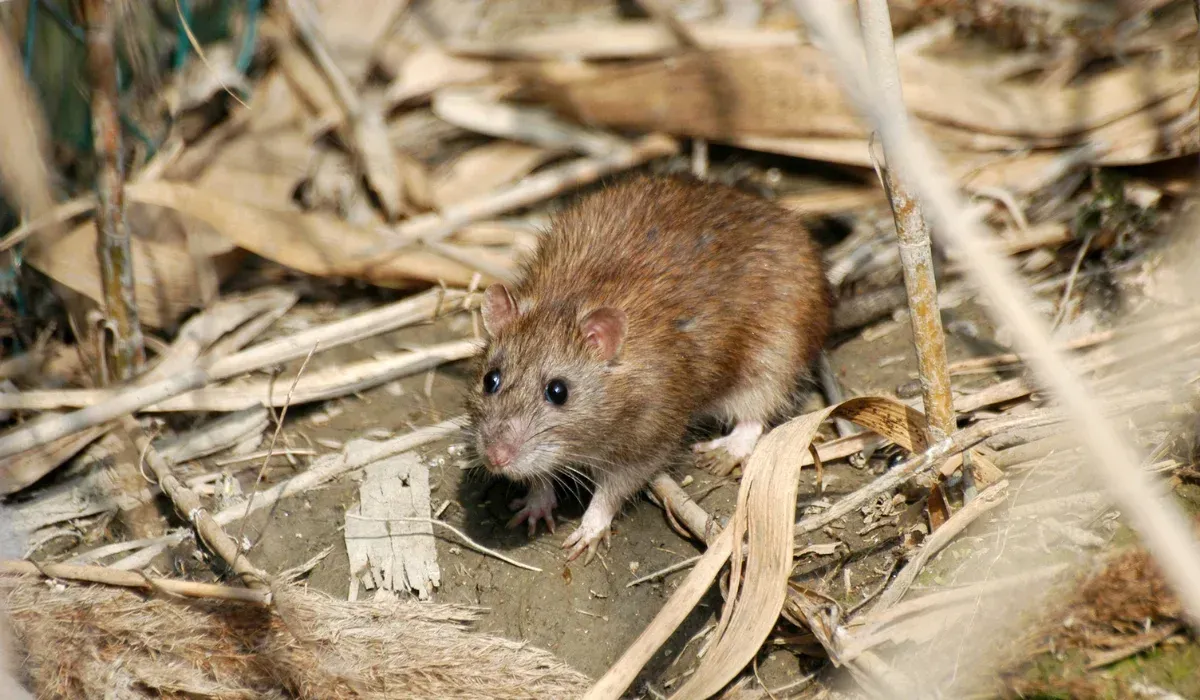
You hear scratching above the bedroom ceiling after dark. The next morning, there are droppings beside a box in the garage or fresh teeth marks on a bag of dog food. If your search was “rats Texas,” you are likely trying to figure out what is in your home and whether you have an active infestation.
For Texas homeowners, roof rats and Norway rats are the two rats that matter most around buildings. You can often narrow down the problem by looking at where the activity occurs, what signs are left behind, and how the animal may be getting inside. Here is what to look for, what can attract rats to your property, and what effective rat control involves.
Common Types of Rats in Texas
The two common structural rats in Texas behave differently enough that knowing which one you are dealing with can help during an inspection. Roof rats favor elevated routes and protected spaces above ground. Norway rats tend to stay closer to ground level and frequently use burrows.
The Texas Tech University Natural Science Research Laboratory describes roof rats as common across most of Texas, especially in towns. Its Texas mammal records show how closely these rats have adapted to buildings and other places where people provide food and shelter.
Roof Rats
Roof rats have slim bodies, relatively large ears, and long tails. Their strongest clue is often not their appearance but their location. These rats are good climbers and readily travel along rafters, pipes, beams, fences, branches, and other elevated surfaces.
That behavior makes roof rats in Texas especially relevant when you hear movement above the ceiling or find evidence in an attic. Inside, they may use upper wall voids, rafters, or stored materials. Outdoors, trees and dense vegetation can put them close to a roofline.
Norway Rats
Norway rats are heavier and more thickset. They spend more time around ground-level cover and may dig burrows beneath sheds, slabs, sidewalks, or other protected structures.
Around a home, look for activity near garages, crawl spaces, lower storage areas, garbage, and stored feed. Norway rats can climb when needed, so a low nesting location is a useful clue rather than absolute proof of the species.
| Feature | Roof Rat | Norway Rat |
|---|---|---|
| General build | Slender | Stockier and heavier |
| Typical total length | About 14.6 inches | About 17.3 inches |
| Reported adult weight | Up to about 7 ounces | About 14 to 18 ounces |
| Tail | Long relative to body | Shorter relative to body |
| Typical activity area | Elevated spaces | Ground and lower levels |
| Common hiding places | Attics, rafters, upper walls | Burrows, garages, crawl spaces |
| Young per litter | Almost 7 on average | About 7 to 8 on average |
| Gestation | About 21 days | About 21 to 23 days |
You probably will not get close enough to a rat to compare body measurements. Where you hear it and where you find droppings, nesting material, tracks, or burrows are more useful in a real home.
Signs of a Rat Infestation
Seeing a live rat makes the situation obvious, but many infestations are discovered another way. Rats spend much of their active time in hidden spaces and usually move at night. The evidence can show up for days before you actually see the animal.
Common signs of rats include fresh droppings, damaged food packages, gnaw marks, tracks in dusty areas, dark rub marks, and shredded nesting material. If rats are in the attic, you may hear fast scratching or light thumps after the house gets quiet.
The Texas A&M AgriLife Extension identifies droppings, runways, food debris, and noises as useful signs of rodent activity. It also notes that house rats and mice contaminate food and can damage property.
What the Location of the Evidence Tells You
Where you find a sign can narrow down where to inspect next. Droppings in an attic point you toward upper travel routes and roof access. A new burrow beside a slab shifts attention toward the ground.
Food damage tells you something different. When rats chew into dog food, bird seed, or pantry goods, they have found a dependable feeding area that can keep drawing them back.
| What You Find | Where to Check Next |
|---|---|
| Rat droppings in the attic | Rafters, insulation, roof gaps, upper walls |
| Scratching above a ceiling | Attic routes and nearby openings |
| Chewed pet-food bags | Food storage and travel paths |
| Greasy marks along an edge | Repeated routes along walls, beams, or pipes |
| Shredded paper or insulation | Protected nesting areas |
| Burrows near a shed or slab | Ground-level access and nearby food |
| New evidence after cleanup | Entry points or active nesting areas |
Old gnaw marks can remain long after rats leave. Fresh rat droppings, new damage, or sounds that continue night after night give you stronger evidence of an active rat infestation.
Why Rats Come Around Texas Homes
A rat does not need a filthy house. It needs enough food, cover, and access to make the property worth using.
Dog food left in its original bag, seed beneath a bird feeder, fallen fruit, loose garbage, livestock feed, or pantry goods can provide steady meals. Water around pet bowls, irrigation, or drainage areas can make the property more useful.
Shelter may be as simple as boxes that rarely move, dense vegetation beside the house, an attic corner, space beneath a shed, or materials stacked against an exterior wall. In established Austin and San Antonio neighborhoods, mature trees can also place roof rats within easy reach of fences and roofs.
How Rats Find Their Way Inside
Once rats begin feeding around a property, protected openings become valuable. Check damaged vents, garage-door edges, roof transitions, gaps around utility lines, and places where building materials have separated.
Follow the route, not just the hole. A gap near the roof means more if branches, fences, or pipes provide an easy approach. An opening near ground level deserves extra attention when burrows or runways are nearby.
| Property Condition | Why It Matters |
|---|---|
| Open pet-food bag | Repeatable food source |
| Seed below bird feeders | Concentrated food close to cover |
| Fallen fruit | Outdoor food source |
| Unsecured garbage | Regular feeding opportunity |
| Dense vegetation | Cover while rats move |
| Cluttered storage | Protected hiding and nesting areas |
| Damaged vent or seal | Potential entry into the structure |
| Branches close to the roof | Possible route for climbing rats |
Problems Rats Can Cause Around Your Property
A rat problem can affect more than stored food. Rats gnaw wood, plastic, insulation, containers, hoses, and other materials as they travel and nest. Wiring with visible rodent damage should be inspected rather than treated as a cosmetic issue.
Rats can also contaminate surfaces and storage areas with urine and feces. In an attic or wall void, waste and nesting debris may remain long after the animals themselves have been removed.
How to Handle Rat Droppings
Do not start by sweeping or vacuuming dry waste. That can disturb contaminated material and put particles into the air.
The Centers for Disease Control and Prevention (CDC) guidance for cleaning up after rodents recommends thoroughly wetting urine, droppings, and nesting material with disinfectant before removal. The material should stay wet for five minutes, or for the contact time on the disinfectant label, and rubber or plastic gloves should be worn during cleanup.
| Cleanup Situation | Recommended Approach |
|---|---|
| Dry droppings | Do not sweep or vacuum first |
| Urine or droppings | Wet thoroughly with disinfectant |
| Handling contaminated waste | Wear rubber or plastic gloves |
| Disinfectant contact time | Five minutes or follow label directions |
| Hard surfaces | Clean and disinfect after removal |
| Heavy contamination | Use additional precautions |
| Activity in HVAC equipment | Consider qualified professional help |
A few droppings on an accessible garage floor are one situation. Heavy waste in insulation, ductwork, or tight attic spaces is another. The amount and location of contamination should determine how you approach cleanup.
How to Keep Rats Out of Texas Homes
Good rat prevention deals with food, shelter, and access at the same time. A trap can remove an individual rat, but it does not fix the open vent or accessible food source that made the property attractive.
Walk around the exterior and look closely at garage doors, vents, roof edges, utility penetrations, and foundation transitions. Spend extra time near the parts of the house where you have already found signs.
Reduce Food and Hiding Places
Move pet food, birdseed, and other dry goods into secure containers. Keep garbage covered, pick up fallen fruit, and clean spilled feed instead of leaving it overnight.
Reduce undisturbed clutter in garages and storage areas. Outside, thin dense vegetation directly against the structure when practical. Branches that create easy access to the roof may also need attention when roof rats are the concern.
Monitor After Cleanup and Repairs
Go back to the original activity areas after you make changes. New droppings, fresh gnaw marks, or repeated scratching can mean another opening remains or rodents are still inside.
Avoid sealing an active rat inside the structure. Effective rodent control pairs removal with exclusion so entry points can be closed without creating another indoor problem.
When Professional Rat Control Makes Sense
If rats in your Texas home keep leaving fresh signs, the difficult part is often finding the full route they are using. An attic noise may lead back to a roof opening you cannot see from the ground. Ground-level activity may connect to a burrow, food source, or gap hidden behind storage.
Professional rat control gives you a more complete picture of the infestation. Inspection can identify where rats are traveling, where they may be nesting, and which openings or property conditions need attention. Removal, exclusion, sanitation, and monitoring can then address the current problem and reduce the chance of the same route being used again.
If you keep finding rat droppings, hear movement in walls or ceilings, or cannot locate the source of the activity, EcoForce Pest Management provides rodent control throughout the Austin and San Antonio metro areas. Contact EcoForce to have the property inspected and get a plan based on the signs, entry points, and rat activity actually present at your home.
Start Being Pest Free Today!
Contact Us