
Do Mosquito Traps Work Well Enough to Skip the Spray?
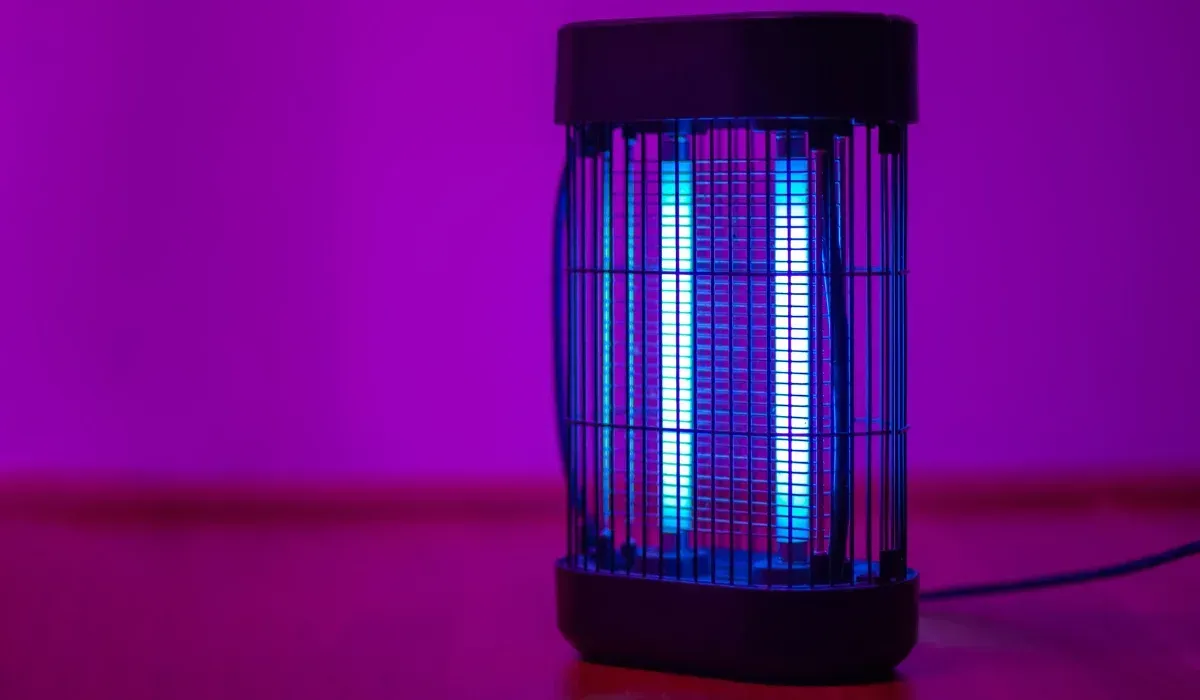
You carry dinner onto the patio, sit down, and feel the first bite before everyone has a plate. A mosquito trap looks like an easy fix. You set it near the yard, keep it running, and expect the mosquitoes to disappear.
So, do mosquito traps work well enough to replace mosquito spray? Sometimes they help, especially in a small outdoor area with light activity. One device rarely controls a full yard because it cannot remove hidden standing water, reach every resting mosquito, or stop new adults from entering over the fence.
This guide explains what traps can do, where they struggle, and when professional mosquito control makes more sense for Texas homes.
How Does a Mosquito Trap Work?
A mosquito trap imitates something mosquitoes already seek. Depending on the model, it may release carbon dioxide, warmth, moisture, or an odor that resembles a person or animal. A fan then pulls approaching mosquitoes into a net or enclosed chamber.
The device must attract a mosquito before you do. That is harder than it sounds when several people are sitting nearby, since human breath, body heat, movement, and skin odors create a strong competing target.
Common Types of Mosquito Traps
Manufacturers use different names for similar products. The capture method matters more than the wording on the box.
| Trap Type | What Attracts Mosquitoes | How It Captures Them | Main Limitation |
|---|---|---|---|
| Carbon dioxide trap | Carbon dioxide, sometimes paired with an odor lure | Fan and collection chamber | Gas or fuel adds cost and maintenance |
| Scent-based fan trap | Human-scent imitation or another attractant | Fan, net, or enclosed container | The lure weakens and needs replacement |
| Egg-laying trap | Water and breeding-site cues | Sticky surface or another lethal mechanism | Poor maintenance can leave water available |
| UV bug zapper | Ultraviolet light | Electrified grid | Attracts many insects that are not biting mosquitoes |
A carbon dioxide trap or scent-based model targets host-seeking female mosquitoes more directly than a basic light trap. Even so, a full collection chamber does not prove that biting activity has dropped across the property.
UV bug zappers often collect moths, beetles, and other insects that respond to light. The number of insects inside the device may look impressive while mosquitoes continue biting around the patio.
Do Mosquito Traps Work in a Whole Yard?
Mosquito traps can reduce adult activity near a selected area, but performance changes with the yard. A compact patio with little standing water gives one unit a manageable job. A large lot with dense shrubs, irrigation runoff, several seating areas, and a drainage channel behind the fence creates much heavier pressure.
Airflow also changes results. Fences, sheds, walls, and covered patios can redirect the attractant. A location that works during a calm evening may be less effective when wind carries the lure away from the area.
What Does the Research Show?
In 2023, a systematic review on the efficacy of mosquito mass-trapping interventions examined 19 studies. Most evaluated coordinated networks of traps rather than one consumer device in one backyard.
One trial included in the review found that mosquito reductions increased as more homes participated. Areas with 21 to 40% trap coverage recorded a 34.3% reduction. Areas with more than 80% coverage recorded an 81.5 percent reduction.
| Research Finding | Reported Result | What It Means at Home |
|---|---|---|
| Studies included in the review | 19 | Evidence came from several program designs. |
| Reduction at 21 to 40 percent coverage | 34.3% | Limited participation produced a smaller effect. |
| Reduction above 80 percent coverage | 81.5% | Broad neighborhood coverage performed better. |
| Evidence of reduced viral transmission | Insufficient | Catch totals do not prove disease prevention. |
Those results should not be used to promise that one outdoor mosquito trap will reduce a backyard population by the same percentage. The programs depended on wider participation, repeated maintenance, and multiple devices.
Why Catch Counts Can Be Misleading
A trap measures the mosquitoes that entered the unit. It does not count the adults still resting in vegetation, the larvae developing in water, or the mosquitoes entering from nearby properties.
The device may collect dozens near a back fence while your family continues getting bitten beside the front porch. It may also catch adults every night without keeping pace with mosquitoes emerging from a blocked gutter or neglected planter.
The useful measure is not how full the basket looks. It is whether biting activity decreases in the parts of the yard you use.
Mosquito Trap vs. Spray: What Is the Difference?
A mosquito trap waits for an adult to follow the lure. Mosquito spray takes a different route by treating selected areas where adults fly, land, or rest. Professional service may also include larval control for water that cannot be emptied.
Speed is one practical difference. Traps need time to collect adults and influence a local population. A targeted treatment addresses mosquitoes already using shrubs, shaded walls, groundcover, and other protected areas.
| Decision Point | Mosquito Trap | Targeted Mosquito Treatment |
|---|---|---|
| Main action | Attracts and captures individual adults | Treats selected activity and resting zones |
| Expected timing | Gradual | Addresses current adult activity during service |
| Coverage | Depends on placement, airflow, and trap density | Depends on inspection findings and treated areas |
| Effect on larvae | None for most host-seeking traps | May include separate larval measures |
| Homeowner work | Cleaning, refills, lure changes, and monitoring | Property upkeep between scheduled visits |
| Best fit | Light activity in one defined space | Persistent activity across several yard areas |
Mosquito spray does not fix every source by itself. It cannot clear a clogged gutter, drain water from a tarp, or correct a low area that stays wet after irrigation. New adults can keep emerging when those conditions remain.
What Does Professional Treatment Include?
Effective service starts with an inspection rather than a blanket application across the lawn. Mosquitoes commonly rest beneath leaves, inside dense shrubs, along shaded walls, and near protected gathering spaces.
A technician can focus on those locations instead of treating bright, dry turf that offers little shelter. The inspection may also reveal that bites near the patio trace back to water above it, vegetation beside it, or mosquito activity moving in from nearby land.
That diagnosis helps prevent wasted spending. Buying another trap will not clear leaves from a gutter, and spraying an open lawn will not remove larvae from a forgotten bucket.
When Can an Outdoor Mosquito Trap Be Enough?
An outdoor mosquito trap has the best chance of helping when activity is light and concentrated around one small area. The yard should have few water-holding containers, manageable vegetation, and no major breeding source nearby.
You also need to keep the unit operating as directed. Fans collect dirt, collection chambers fill, odor lures weaken, and carbon dioxide supplies run out. A running motor does not always mean the trap is still attracting mosquitoes effectively.
Yard Conditions That Favor Trap Use
| Yard Condition | Why It Helps |
|---|---|
| One compact patio or garden | Gives the trap a smaller area to influence. |
| Few standing-water sources | Limits the number of new adults emerging nearby. |
| No creek, pond, or drainage channel nearby | Reduces incoming mosquito pressure. |
| Predictable airflow | Helps carry the attractant through the intended zone. |
| Regular cleaning and lure replacement | Keeps the device working as designed. |
| Light to moderate mosquito activity | Gives the trap a realistic capture workload. |
Placement deserves careful thought. A trap beside the dinner table may draw mosquitoes through the seating area before capturing them. A device near a frequently opened door can also bring activity closer to an entrance.
The Texas A&M AgriLife backyard mosquito control guide explains that traps must compete with humans as attractants and that wind can change their performance. The guide also warns that UV bug zappers kill many beneficial insects without controlling the biting females homeowners want to avoid.
What Else Does Your Yard Need Besides a Mosquito Trap?
Effective backyard mosquito control begins with water. Mosquitoes can develop in gutters, plant saucers, toys, folded tarps, wheelbarrows, pool covers, pet bowls, rain barrels, and low spots that remain wet after storms or irrigation.
Walk the property once a week and again after heavy rain. Pouring out water helps, but some eggs can remain attached to the inside surface of a container. Scrubbing the container removes material that may stay behind after it looks empty.
The Centers for Disease Control and Prevention (CDC)’s mosquito control guidance for homeowners recommends emptying, scrubbing, covering, turning over, or discarding water-holding items each week.
Treat Water That Cannot Be Removed
Some drains, landscape features, and containers are designed to hold water. An appropriately labeled larval-control product may be suitable in those locations when the water cannot be emptied.
Larval control prevents immature mosquitoes from reaching the adult stage. A standard host-seeking trap cannot do that job because it only affects adults that approach the machine.
Reduce Adult Resting Areas
Dense, shaded vegetation gives mosquitoes shelter during the hottest parts of the day. Heavy groundcover, wet leaf litter, overgrown shrubs, and clutter near a patio can keep adults close to the people using the yard.
Trim unnecessary growth, clear damp debris, and improve airflow around doors and seating areas. These changes will not block every mosquito coming from a greenbelt or neighboring property, but they can reduce the number of protected resting spots nearby.
Once the basic conditions are under control, place the trap according to its instructions and leave it in a suitable location long enough to judge the result. Moving it every night makes performance difficult to measure.
Choosing the Right Mosquito Control Plan for Your Yard
A mosquito trap can earn a place in a well-maintained yard. It is most useful when mosquito activity is mild, the target area is small, and standing water has already been addressed. It becomes a weak stand-alone option when mosquitoes are emerging from hidden water, resting throughout thick landscaping, or entering from several directions.
Professional mosquito control adds an inspection and a property-specific plan. An EcoForce technician can look for breeding water, identify likely resting areas, assess the spaces your family uses, and determine where targeted treatment can provide useful coverage. That saves you from spending the season moving traps, replacing lures, and treating areas that have little effect on the problem.
EcoForce Pest Management serves homeowners in Texas. Contact the team for a free estimate and ask about same-day or next-day availability. The goal is not to fill a collection chamber. It is to make the outdoor areas you use more comfortable with a plan built around your property.
Start Being Pest Free Today!
Contact Us