
Natural Flea Repellents That Hold Up in Texas Heat
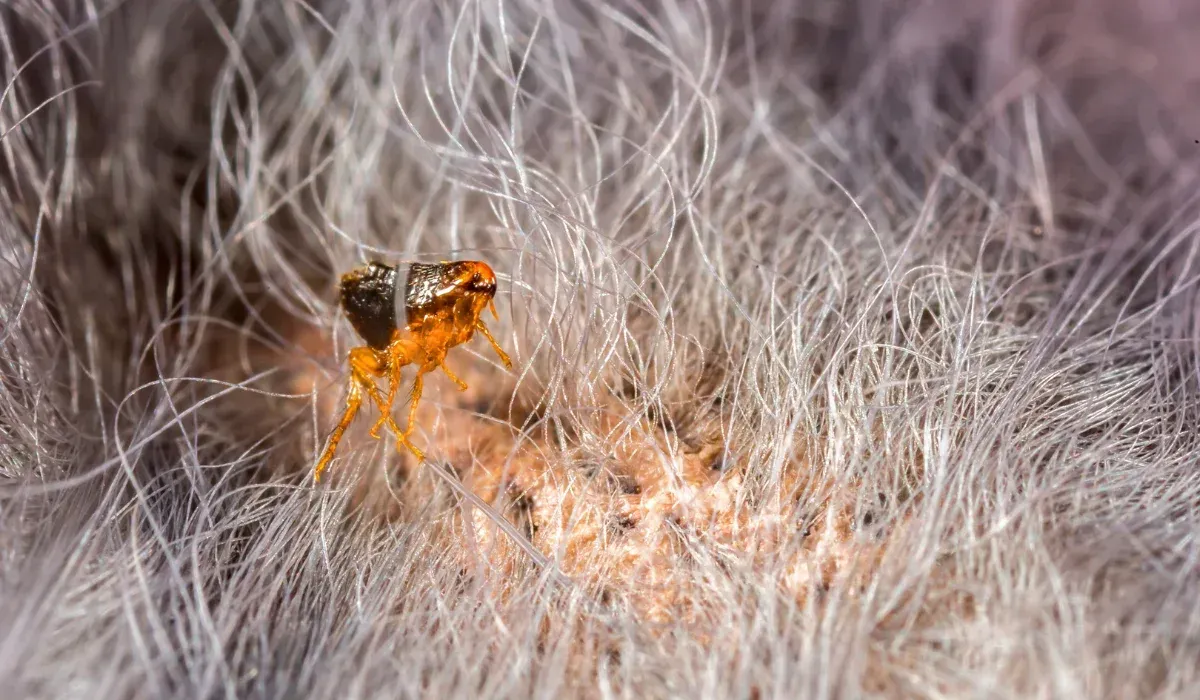
Your dog comes in from the yard and starts scratching near its tail. You check the grass, the patio, and the pet bed, but the source is not obvious. Fleas often stay beneath porches, inside rugs, under shrubs, and in other protected areas that remain cooler than the open yard. A natural flea repellent can reduce activity, but scent alone will not remove eggs from carpet or stop wildlife from bringing fleas back.
The best natural flea control plan combines cleaning, pet monitoring, outdoor habitat reduction, and careful product use. This guide explains which methods hold up in Texas, which home remedies lose their effect quickly, and how to tell when a flea infestation needs professional treatment.
Why Fleas Can Survive Texas Heat
A patch of lawn in direct sunlight may become too hot and dry for flea development. The shaded strip beside your porch can be completely different. Soil beneath shrubs, decks, outdoor furniture, and pet shelters may hold moisture long after the rest of the yard dries.
Pets also return to the same locations each day. A dog may nap beneath a table or lie beside a fence where the ground stays cool. Those repeated visits give adult fleas regular access to a host and allow eggs to collect nearby.
Wildlife adds another source of Texas fleas. Rodents, stray cats, opossums, and other animals may move along fence lines, enter crawl spaces, or rest beneath sheds. Cleaning the visible pet area will not solve the problem when another animal keeps introducing fleas.
Texas A&M AgriLife Extension reports that the cat flea causes most household flea problems in Texas, even though it feeds on cats, dogs, and wildlife. The same source estimates that Americans spend about $9 billion each year controlling fleas.
Once adult fleas reach a pet, eggs can fall into rugs, floor cracks, upholstery, and bedding. That is how fleas in the yard become fleas in the house.
| Likely Flea Area | Why Fleas Use It | What You Should Check |
|---|---|---|
| Beneath porches and decks | Shade keeps soil cooler and may preserve moisture. | Leaves, pet bedding, damp soil, and animal access |
| Kennels and dog runs | Pets return to the same spot. | Cracks, fabric, shaded edges, and nearby mulch |
| Dense shrubs | Plant cover blocks sunlight and holds debris. | Soil, fallen leaves, and wildlife trails |
| Crawl spaces | Darkness and shelter attract animals. | Rodent signs, nesting material, and openings |
| Rugs and furniture | Flea eggs settle into fibers and seams. | Baseboards, cushions, floor edges, and pet beds |
| Fence lines | Wildlife often follows the same route. | Burrows, droppings, and flattened vegetation |
How a Natural Flea Repellent Fits Into Flea Control
The phrase natural flea repellent is often used for every household flea remedy. Those methods do not all perform the same job.
A scented spray may briefly discourage adult fleas from staying on one surface. Vacuuming physically removes exposed fleas, eggs, larvae, and the debris larvae feed on. A flea comb pulls adults from an animal. Yard cleanup takes away shade, moisture, and organic material.
Fleas pass through egg, larval, pupal, and adult stages. Adults feed on animals, while the younger stages develop in the surrounding environment. Pupae remain protected inside cocoons, which makes them harder to reach with surface cleaning.
You may vacuum thoroughly and still see a few fleas several days later. That does not always mean the cleaning failed. It may mean adults are emerging from pupae that were already present.
The Centers for Disease Control and Prevention (CDC) states that moderate or severe infestations can take months to control. Its recommended approach includes sanitation, treatment for every pet, environmental control, and follow-up work.
Repelling Adult Fleas Is Not Enough
A natural flea repellent may affect adults that are exposed at that moment. It cannot remove eggs beneath a sofa, clean a dog bed, or prevent an untreated animal from carrying more fleas indoors.
Effective flea prevention assigns a clear purpose to each step. Pet care addresses the host. Cleaning reduces indoor development. Yard work removes outdoor shelter. Monitoring shows whether flea activity is actually declining.
Natural Flea Repellent Methods That Work Best
The most reliable natural methods are physical and environmental. They do not depend on a smell lasting through Texas heat, rain, irrigation, or strong airflow.
Vacuum Along Your Pet’s Usual Route
Do not limit vacuuming to the center of the room. Follow your pet’s routine.
Clean the floor beneath pet beds, the rug beside the couch, furniture seams, baseboard edges, and the spots where your pet jumps down. Flea eggs can settle into these quiet areas even when the rest of the room looks clean.
Repeat the work while activity continues. Newly emerged adults can appear after the first cleaning. Empty the vacuum outdoors into a sealed bag so collected fleas and debris do not remain inside.
Wash Bedding and Pet Fabrics Together
Gather the dog bed, crate liner, couch blanket, washable covers, and any other fabric your pet uses. Wash each item in hot, soapy water when its care label permits it, then dry it fully.
Cleaning everything in the same cycle reduces the chance that fleas will remain in an overlooked blanket or cushion. Thick foam beds with torn covers can be difficult to clean completely. Replacement may be the more useful option when debris has settled inside the filling.
Use a Flea Comb to Monitor Activity
A flea comb gives you quick evidence. Work around the lower back, tail base, belly, neck, and inner legs. Place captured fleas into soapy water.
Check every pet in the home. One animal may carry fleas without scratching much, while another reacts strongly.
Combing does not replace veterinarian-approved flea prevention, but it helps you measure whether your natural flea control plan is working. Fewer adult fleas over several checks is more meaningful than one clear combing session.
Remove Outdoor Flea Habitat
Focus on the parts of the yard that pets and wildlife actually use. Clear leaves from beneath shrubs, clean kennel floors, remove old patio cushions, and repair hose leaks that keep shaded soil damp.
Bring pet food indoors and secure trash. These steps make the property less attractive to rodents and wildlife that may introduce new fleas.
| Natural Control Method | Best Location | What It Does | What It Cannot Do Alone |
|---|---|---|---|
| Vacuuming | Rugs, carpet, furniture, and floor edges | Removes exposed flea stages and debris | Reach outdoor breeding areas |
| Hot laundering | Bedding, blankets, and washable covers | Cleans heavily used pet fabrics | Treat carpet, soil, or wildlife sources |
| Flea combing | Dogs and cats | Finds and removes adult fleas | Prevent new fleas from reaching the pet |
| Yard cleanup | Shaded pet and wildlife zones | Removes shelter, moisture, and debris | Protect untreated animals |
| Wildlife exclusion | Crawl spaces, sheds, and porch gaps | Reduces flea reintroduction | Remove fleas already inside |
| Light traps | A single indoor room | Helps monitor adult activity | Control eggs, larvae, or pupae |
Which Natural Flea Remedies Fall Short
Some home remedies feel effective because they smell strong or leave a visible powder. Texas weather often exposes their limits.
Sunlight, humidity, watering, and rain can shorten the useful life of outdoor applications. Indoors, a remedy may contact a few adults while leaving protected stages untouched.
Vinegar Sprays
Vinegar creates a strong odor, but the smell fades as the surface dries. Texas heat and airflow speed up that process.
It does not provide dependable control of eggs, larvae, or pupae. Vinegar may work as a cleaner on compatible surfaces, but it is not a complete natural flea repellent for home use.
Diatomaceous Earth
Diatomaceous earth is a mineral dust, not a true repellent. Under dry conditions, it can damage the outer layer of exposed insects and cause moisture loss.
That dry condition is the main limitation. Rain, irrigation, and damp planting beds reduce its usefulness. Loose dust may also irritate the lungs.
Use only a registered product in places permitted by the label. Do not spread loose powder directly on pets or in areas where children and animals may breathe it.
Beneficial Nematodes
Beneficial nematodes are microscopic organisms used against certain soil pests. Some products are marketed for outdoor flea larvae.
Their performance depends on the product, soil moisture, temperature, storage, and protection from direct sunlight. Dry soil and intense heat can shorten their survival.
They may help in selected shaded locations that can remain evenly moist. They are a supplemental option, not a replacement for yard cleanup or wildlife control.
Essential Oils
Essential oils appear in many homemade recipes for natural flea repellent for dogs and cats. A plant-based ingredient is not automatically pet-safe.
Concentration, species, age, weight, and health all matter. Cats may respond differently than dogs, and a mixture that seems mild to you may irritate an animal’s skin or cause illness if swallowed.
Avoid homemade oil applications on pets unless a veterinarian has approved the ingredients and concentration.
| Popular Remedy | Why People Try It | Main Limitation | Practical Use |
|---|---|---|---|
| Vinegar spray | Strong odor and low cost | Dries quickly and misses immature stages | Surface cleaner, not full flea control |
| Diatomaceous earth | Dry mineral action | Moisture reduces performance | Limited use in labeled dry areas |
| Beneficial nematodes | Biological outdoor control | Need suitable soil and moisture | Supplemental yard option |
| Essential oils | Strong plant scent | Pet sensitivity and short residual effect | Avoid homemade pet applications |
| Dish-soap light traps | Easy indoor setup | Capture only some adults | Monitoring tool |
| Salt or baking soda | Cheap dry residue | Inconsistent coverage and results | Poor substitute for vacuuming |
| Aromatic plants | Natural yard appeal | Scent stays close to the plant | Landscaping, not property-wide control |
How to Build a Pet-Safe Flea Control Plan
Begin with the animal and the room it uses most. Check the pet with a flea comb, inspect its bedding, and then examine nearby rugs, furniture, and floor edges. Every pet needs attention during the same period. One untreated animal can continue feeding adult fleas and carrying them through the house.
The U.S. Environmental Protection Agency (EPA) advises owners to follow the entire flea-product label and use a product only on the animal species listed. A product intended for dogs should not be used on cats unless the instructions specifically permit it. That label guidance is central to pet-safe flea control. “Natural” does not mean harmless, and a homemade mixture may not account for an animal’s species, weight, age, or medical history.
Once pet care is underway, clean the indoor resting zones. Vacuum, wash pet fabrics, and remove clutter from the edges of the room. Keep checking those areas because adult fleas may emerge after the first round of work.
Move outside with the same focus. Inspect the damp corner beside the kennel, the leaf buildup near the porch, and the gap where an animal can enter beneath a shed. These small areas usually matter more than a hot, exposed lawn.
How to Tell Whether Flea Activity Is Declining
Comb each pet every few days and check the same body areas. Record what you find so you can compare one inspection with the next.
You should see improvement both on the pet and around the property. Fleas that keep appearing in one room may point to an overlooked resting area. Activity that returns after a short break may indicate rodents, wildlife, or another untreated host.
| Step | What to Do | What It Tells You |
|---|---|---|
| Check every pet | Use a flea comb and inspect the skin | Whether adults are still feeding |
| Inspect sleeping areas | Check bedding, rugs, and furniture seams | Where eggs and debris may collect |
| Coordinate pet care | Follow veterinary and label guidance | Whether each host is protected |
| Clean indoor areas | Vacuum and wash fabrics | Whether environmental pressure declines |
| Inspect shaded yard zones | Look for moisture, debris, and animal routes | Where outdoor development may occur |
| Limit wildlife access | Secure food, trash, and shelter openings | Whether fleas may be reintroduced |
| Monitor repeatedly | Compare activity over time | Whether the full plan is working |
When Professional Flea Control Is the Better Choice
You may be able to manage a small, recently discovered flea problem with careful cleaning, pet care, and yard maintenance. A wider flea infestation becomes harder to track because several life stages may be present in different parts of the property. Professional help makes sense when fleas are active in several rooms, multiple pets are affected, or activity continues after repeated cleaning.
An inspection helps identify the source before treatment begins. EcoForce Pest Management evaluates pet-resting areas, flooring, shaded soil, moisture, and animal access around Texas properties. That focused approach helps avoid repeated treatments in areas that are not driving the problem. The main benefit is accuracy. Instead of cycling through one natural flea repellent after another, you get a plan based on where fleas are feeding, developing, and returning.
Contact EcoForce Pest Management for a free estimate. A targeted flea-control service can help reduce active flea pressure, address the source, and build a more reliable flea prevention plan for your Texas property.
Start Being Pest Free Today!
Contact Us