
Where Scorpions Live and Hide Around Austin Homes
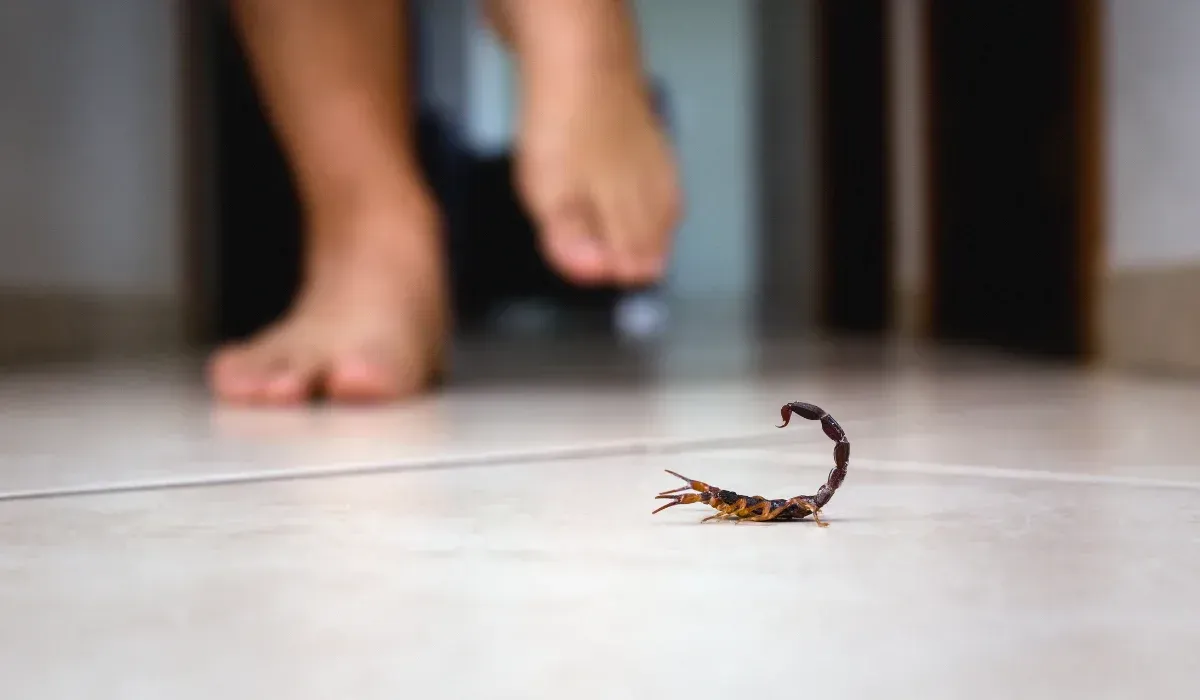
You move a planter on the patio and find a scorpion pressed flat against the concrete. A few nights later, another one crosses the garage floor before disappearing behind a storage box. Those sightings may seem unrelated, but both can begin with the same conditions around your home.
Where do scorpions live? Around Austin properties, they spend the day beneath rocks, firewood, bark, boards, yard debris, and other objects that block sunlight. They may also enter garages, attics, closets, bathrooms, and wall spaces. This guide shows you where to inspect, what makes a property useful to scorpions, and which changes can reduce future sightings.
Where Do Scorpions Live in Austin?
Scorpions are often associated with open desert, but they occupy a much wider range of environments. They can survive in grasslands, wooded areas, rocky terrain, and residential neighborhoods. Access to shelter and prey matters more than whether the property looks dry or remote.
Austin yards often supply both. Limestone borders create narrow gaps, established landscaping provides shade, and stored materials may remain untouched for months. Insects around patios, garages, and foundations give scorpions places to hunt after dark.
Homeowners asking where scorpions live in Texas are usually most concerned about the striped bark scorpion. This is the species most often associated with Texas homes. It can climb rough surfaces, move through tight structural gaps, and use hiding places above or below ground level.
According to the Texas A&M AgriLife Extension, the state has 18 recorded scorpion species. Two species have been recorded near Austin, while the striped bark scorpion is the only one found throughout Texas.
| Verified Texas Scorpion Fact | What the Source Reports | Why It Matters Around Austin Homes |
|---|---|---|
| Scorpion species recorded in Texas | 18 | Texas supports several species, although most do not commonly enter homes. |
| Species recorded near Austin | 2 | Central Texas has more than one native scorpion species. |
| Species found statewide | Striped bark scorpion | This is the species most relevant to Austin homeowners. |
| Common daytime shelter | Rocks, boards, bark, and litter | Ordinary yard materials can become scorpion hiding places. |
| Main active period | Night | Daytime checks may miss active scorpions. |
| Common prey | Insects and other arthropods | Pest activity near the house can support scorpion activity. |
A scorpion found indoors does not confirm a hidden colony or nest. Scorpions use shelter that already exists, then move when that space becomes too hot, wet, exposed, or disturbed.
Where Do Scorpions Hide Outside Austin Homes?
The yard is usually the best place to begin an inspection. Outdoor scorpion habitat can support activity long before one reaches a garage, door, attic, or wall opening. Start with objects that rest on the soil or create narrow spaces near the structure.
Stone Features and Retaining Walls
Decorative limestone may look clean from above, but the underside of each rock can remain dark throughout the day. Overlapping stones, cracked mortar, drainage spaces, and open retaining-wall ends create protected gaps that are easy to miss.
Check places where rock touches the foundation or collects leaves. You do not need to remove every stone feature. Resetting loose pieces and clearing debris makes those spaces less protected and easier to inspect.
Firewood, Lumber, and Yard Debris
A firewood pile gives scorpions several useful conditions in one place. Loose bark creates tight pockets, lower logs block the sun, and insects gather between pieces of wood. Scrap lumber, fallen branches, unused landscape timbers, and stacked pavers can work the same way.
Keep firewood away from exterior walls and raise it off the ground when practical. Before carrying a log indoors, inspect the loose bark and the side that faced the soil. Gloves add protection, but you should still avoid placing your fingers into cracks you cannot see.
Planters, Sheds, and Outdoor Storage
The base of a planter may stay cool and damp after the surrounding patio has dried. Storage tubs, folded tarps, patio cushions, pool covers, and bags of soil can also create undisturbed scorpion hiding places.
Sheds combine easy outdoor access with indoor-style storage. Check the threshold, floor edges, boxes, gardening gloves, and lumber. Moving stored items away from the walls gives you a visible inspection path.
| Outdoor Area | Sign Worth Checking | Practical Change |
|---|---|---|
| Rock border | Leaves packed between loose stones | Remove debris and reset unstable rocks |
| Retaining wall | Deep joints or open wall ends | Repair gaps without blocking drainage |
| Firewood pile | Loose bark and shaded lower rows | Move the stack and elevate it |
| Planters | Moisture or insects beneath the base | Raise pots and empty standing water |
| Shed | Boxes or tools against the walls | Create a clear inspection strip |
| Fence line | Leaves, boards, or unused materials | Remove ground-level clutter |
| Utility area | Gaps around pipes or cables | Seal suitable openings |
| Patio storage | Tarps or cushions on the floor | Store items dry and above ground |
Austin scorpions do not need a greenbelt or large natural area nearby. A suburban lot with limestone, stored wood, insects, and an open garage corner may provide enough shelter on its own.
Where Do Scorpions Live Inside a House?
Indoor scorpion hiding places usually resemble the spaces they use outside. They are narrow, dark, and rarely disturbed. The room where you find one may not be the room where it entered.
Garages and Storage Rooms
The garage is a common transition point because it opens directly outdoors. Light may show beneath the bottom corners of the door even when the center seal looks secure. Once inside, a scorpion can hide behind boxes, tools, shoes, sports gear, or seasonal decorations.
Leave a small gap between stored items and the wall so you can inspect the floor edge. Closed plastic containers are easier to check than damaged cardboard, while shoes and gloves are safer on shelves than on the floor.
Attics and Structural Spaces
The striped bark scorpion can climb textured surfaces, stone, trees, fences, and pipes. That ability allows it to reach eaves, roof joints, vents, and other openings above ground level.
Once inside an attic, insulation, framing, and storage make detection difficult. Repeat sightings on different floors may justify checking both foundation-level gaps and the roofline. They do not prove that scorpions are reproducing in the walls.
Bathrooms, Closets, and Bedrooms
Finding a scorpion in the bathtub often leads people to blame the drain. In many cases, the scorpion simply crossed the room, fell into the smooth basin, and could not climb out.
Closets, laundry areas, and bedrooms contain many temporary hiding spots near the floor. Shoes, towels, bags, clothing, and bedding can remain undisturbed long enough for a scorpion to crawl beneath them. Shake out stored items before use, especially when they came from a garage, patio, or ground-floor closet.
| Indoor Area | Likely Access or Shelter | What to Inspect |
|---|---|---|
| Garage | Door gaps and stored materials | Door corners, boxes, shoes, and wall edges |
| Attic | Eaves, vents, and roof joints | Utility openings, insulation edges, and storage |
| Bathroom | Floor gaps or movement from another room | Mats, cabinets, pipe openings, and tub edges |
| Closet | Shoes and low-disturbance storage | Bags, boxes, clothing, and baseboards |
| Laundry room | Utility lines and appliance gaps | Hose connections and wall openings |
| Kitchen | Cabinet spaces and insect prey | Sink cabinets, baseboards, and pipe gaps |
| Bedroom | Floor-level fabrics and furniture gaps | Shoes, bedding, curtains, and furniture edges |
| Wall space | Existing structural openings | Plumbing routes, cable paths, and nearby cracks |
Repeated scorpions in the house can point to more than one entry route. They may also indicate that insects and protected shelter remain available close to the structure.
Why Scorpions Move Toward Austin Homes
A home can become useful to a scorpion before it ever gets inside. Exterior lights draw insects, landscape features provide cover, and small building gaps connect the two.
Insects Give Them a Reason to Stay
Scorpions hunt crickets, cockroaches, spiders, centipedes, and other small arthropods. Regular insect activity around the patio, foundation, or garage can turn that area into productive hunting ground.
The Texas Parks and Wildlife Department arachnid guide confirms that Texas scorpions feed on insects, spiders, centipedes, and other scorpions. It also notes that they are mainly active at night.
A bright fixture beside a poorly sealed door can place prey and an entry point within inches of each other. Changing the bulb or fixture may help, but insect control should also address food residue, damp areas, cracks, and outdoor clutter.
Moisture Supports the Surrounding Habitat
Scorpions tolerate dry conditions, yet damp areas often support the pests they hunt. Leaking hose connections, irrigation overspray, clogged drains, and wet planter trays can keep one corner of the yard more active than the rest.
The same pattern may occur indoors. Plumbing leaks and condensation can support insects beneath sinks, beside appliances, or near air-conditioning equipment. Repairing moisture problems removes a resource used by several pests at once.
Openings Complete the Route Indoors
Scorpions do not need to damage the building to get inside. Worn door sweeps, torn screens, foundation cracks, roofline gaps, siding joints, and spaces around pipes or cables may already provide a route.
Weather can affect when scorpions in Austin move, but it rarely explains the entire problem. Heat or heavy rain may disturb an outdoor hiding place. The scorpion still needs an opening and suitable cover after it enters.
How to Inspect Scorpion Hiding Places
A useful inspection happens in two stages. Daylight helps you find shelter and building gaps. Darkness makes active scorpions easier to locate.
Start With a Daytime Property Check
Walk the outside wall slowly and note everything touching the foundation. Check stone borders, firewood, planters, landscape timber, leaves, stored materials, and vegetation. Look upward as well because branches and pipes can lead toward roof-level openings.
Inspect exterior doors from inside on a bright day. Light showing beneath or beside the door marks a gap that needs attention. Check screens, siding joints, utility openings, and accessible areas around the eaves.
Return After Dark With a UV Light
Scorpions fluoresce under ultraviolet light and often produce a blue-green glow. Wear closed-toe shoes and gloves, then follow the same route you checked during the day.
Move slowly around walls, stonework, firewood, fence lines, and storage areas. Do not reach beneath an object simply because you see a glow. Use a suitable tool to move lightweight materials and keep children and pets away from the inspection area.
Trace Indoor Travel Routes
Inside, concentrate on baseboards, garage edges, thresholds, closets, bathrooms, and utility rooms. Shake out shoes, gloves, towels, and clothing that have remained close to the floor.
Random searching is less useful than tracing a likely route. Start where you found the scorpion, then work back toward doors, pipes, cabinets, wall gaps, and other possible exterior connections.
How to Reduce Scorpion Activity Around Your Home
Once you know where scorpions live around the property, prevention becomes more focused. Start where shelter meets the structure. Move firewood, boards, bricks, and unused materials away from exterior walls, then clear leaves from stonework and trim branches away from the roof.
Next, inspect the building envelope. Replace damaged door sweeps and weather stripping, repair screens, and seal suitable gaps around pipes, cables, siding, foundations, and eaves. Do not fill required drainage or ventilation openings with solid sealant. Those areas may need screening or another building-appropriate repair.
Prey control completes the work. Frequent crickets, cockroaches, spiders, or centipedes provide a continuing food source. Reducing those pests makes the yard and house less useful as scorpion habitat.
| Condition Around the Home | Best First Step | Why It Helps |
|---|---|---|
| Firewood against an exterior wall | Move and elevate the stack | Separates shelter from the structure |
| Light beneath an exterior door | Replace the sweep or weather stripping | Closes a direct floor-level route |
| Leaves packed into stonework | Remove the buildup | Exposes hiding spaces and reduces insect habitat |
| Branches touching the roof | Trim them back | Removes access to upper openings |
| Damp soil beside the foundation | Correct leaks or drainage | Reduces moisture and nearby prey |
| Frequent crickets or cockroaches | Address the insect problem | Removes food available to scorpions |
| Garage boxes against the wall | Reorganize the storage area | Creates room for inspection and cleaning |
| Gaps around utility lines | Use a suitable sealing material | Limits access to wall and cabinet spaces |
These changes work together. Sealing a garage door helps, but the result may be limited when insects remain abundant, and firewood still touches the wall beside it.
Protecting Your Austin Home From Recurring Scorpions
Where do scorpions live when they keep turning up near your home? The answer is often spread across several locations. One area provides shelter, another supports prey, and an unnoticed gap gives them access indoors.
An occasional outdoor sighting is different from finding scorpions repeatedly in bedrooms, bathrooms, or several parts of the house. Recurring activity may point to a productive hiding area, an insect problem, or an entry route that basic repairs did not address. Treating only the scorpion you can see leaves those conditions in place.
Professional service is useful when the source is not obvious or your own changes have not reduced the pattern. EcoForce Pest Management can compare sighting locations, inspect exterior shelter, check likely entry routes, and identify the insects scorpions may be hunting. This gives the technician a reasoned basis for treatment instead of applying the same approach to every property.
Schedule professional scorpion control with EcoForce Pest Management when scorpions keep returning or begin appearing in occupied rooms. Finding the route and the conditions behind the activity gives you a stronger solution than waiting for the next scorpion to cross the floor.
Start Being Pest Free Today!
Contact Us