
Flea Bites Follow a Pattern that Gives Them Away
Flea bites can resemble mosquito bites, bed bug bites, chigger bites, and several types of skin irritation. The marks alone are not enough to confirm the cause, but flea bites often leave a recognizable combination of clues.
They tend to appear as small, intensely itchy bumps around the ankles and lower legs. Several bites may develop close together, especially after someone walks across an infested floor or spends time near pet bedding. When this pattern appears alongside scratching pets, flea dirt, or tiny jumping insects, fleas become a much more likely explanation.
What Do Flea Bites Look Like?
Flea bites usually appear as small red or discolored bumps. They often itch more than they hurt and may have a darker spot near the center. Some people develop only mild irritation, while others experience larger welts, rashes, or hives.
Several marks may appear in a small area because fleas can bite more than once. The bumps may form a loose line or cluster, but the arrangement is not always neat or predictable.
The most common characteristics include:
- Small, raised bumps
- Strong itching
- Several marks near one another
- Bites concentrated on the lower body
- Redness or irritation around each mark
- New bites after spending time near floors, carpets, or pet areas
Skin reactions vary from person to person. One family member may develop obvious marks while another has little or no visible reaction.
The Flea Bite Pattern That Matters Most
People often focus on whether bites appear in a line or a group of three. That detail can be useful, but the location of the marks usually provides a stronger clue.
Fleas live and develop close to the ground. Eggs, larvae, and pupae can be found in carpets, floor cracks, pet bedding, upholstered furniture, and protected outdoor areas. When adult fleas emerge and jump toward a person, the ankles and lower legs are often the first exposed areas they reach.
The Texas A&M AgriLife guide to flea control identifies small, red, itchy bumps around the ankles and lower legs as a common pattern. The resource also explains that most flea problems in Texas involve cat fleas, which can feed on cats, dogs, wildlife, and people.
Flea bites may also appear around the waist, thighs, or other places where clothing fits closely. However, repeated bites below the knees are one of the more useful reasons to inspect for flea activity.
Why Fleas Leave Several Bites Close Together
A flea does not always feed successfully on its first attempt. It may move a short distance and bite again, producing several bumps in the same general area.
More than one flea may also be present. Walking through an infested room can disturb several adults at once, especially if the home has been vacant, a pet has recently left, or the flea population has grown unnoticed.
This means a small group of bites may represent:
- One flea feeding more than once
- Several fleas emerging at the same time
- Repeated exposure to an infested area
- Bites acquired over more than one day
The pattern can help narrow the possibilities, but it should always be considered alongside activity in the home.
Flea Bites vs. Bed Bug Bites
Both pests can cause itchy, grouped bites, which makes them easy to confuse. The biggest differences involve where the bites appear and where the pests live.
Flea bites are commonly found around the ankles and lower legs. They may occur after someone walks across carpeting, sits on an infested sofa, or spends time near a pet’s resting area.
Bed bug bites are more closely associated with sleeping. They often affect skin that remains uncovered overnight, including the arms, shoulders, neck, face, and legs. Bed bug evidence is usually concentrated around mattresses, bed frames, headboards, and nearby furniture.
Environmental evidence is more useful than the bite pattern alone. Jumping insects or flea dirt around a pet points toward fleas. Dark fecal spots, shed skins, or bugs in mattress seams point more strongly toward bed bugs.
Flea Bites vs. Mosquito Bites
Mosquito bites often form larger, puffy welts and may appear on any exposed area of the body. They are commonly associated with time spent outdoors, especially near vegetation, standing water, or during periods of heavy mosquito activity.
Flea bites tend to be smaller and more concentrated on the lower body. Several marks may appear close together after a person crosses an infested floor or sits near an animal resting area.
Timing can help. A few welts after an evening outside may suggest mosquitoes. New lower-leg bites that continue appearing indoors, especially around pets or carpeting, deserve a flea inspection.
Flea Bites vs. Chigger Bites
Chigger bites frequently develop after someone spends time in grass, brush, or overgrown vegetation. The marks often appear where clothing presses against the skin, including the waist, sock line, groin, and behind the knees.
Flea bites may also occur near tight clothing, but they are more likely to be connected to pets, wildlife, carpeting, furniture, or floor-level areas inside the home.
Think about what happened before the itching started. Outdoor exposure in tall grass suggests chiggers. Repeated bites inside the same room, especially around the ankles, are more consistent with fleas.
Flea Bites vs. Fire Ant Stings
Fire ant stings usually cause an immediate burning or stinging sensation. Small, fluid-filled pustules may form later. Several stings can occur when someone steps near a mound or disturbs a colony.
Flea bites are more likely to itch than hurt. People often do not notice the flea at the moment of the bite, and the reaction may become more noticeable later.
The setting is another clue. Fire ant stings usually follow an outdoor encounter. Flea bites may keep appearing indoors until the underlying infestation is controlled.
Flea Bites vs. Contact Dermatitis
Not every group of itchy bumps comes from an insect. Laundry detergent, soaps, cleaning products, plants, fabrics, medications, and other irritants can cause redness or a rash.
Contact dermatitis often follows the shape or area of skin that touched the irritant. It may spread across a larger patch rather than forming separate, small bumps.
Flea bites are more likely when distinct marks appear near the ankles or lower legs and the home contains other evidence of fleas. A healthcare provider can help distinguish insect bites from allergic reactions, infections, and other skin conditions.
The MedlinePlus overview of flea bites notes that bites often affect the legs or areas where clothing fits closely. It also warns that scratching can lead to a secondary skin infection.
Look Beyond the Skin for Flea Evidence
A bite pattern gives you a reason to investigate, but finding fleas or signs of their activity provides much stronger confirmation.
Check Your Pets
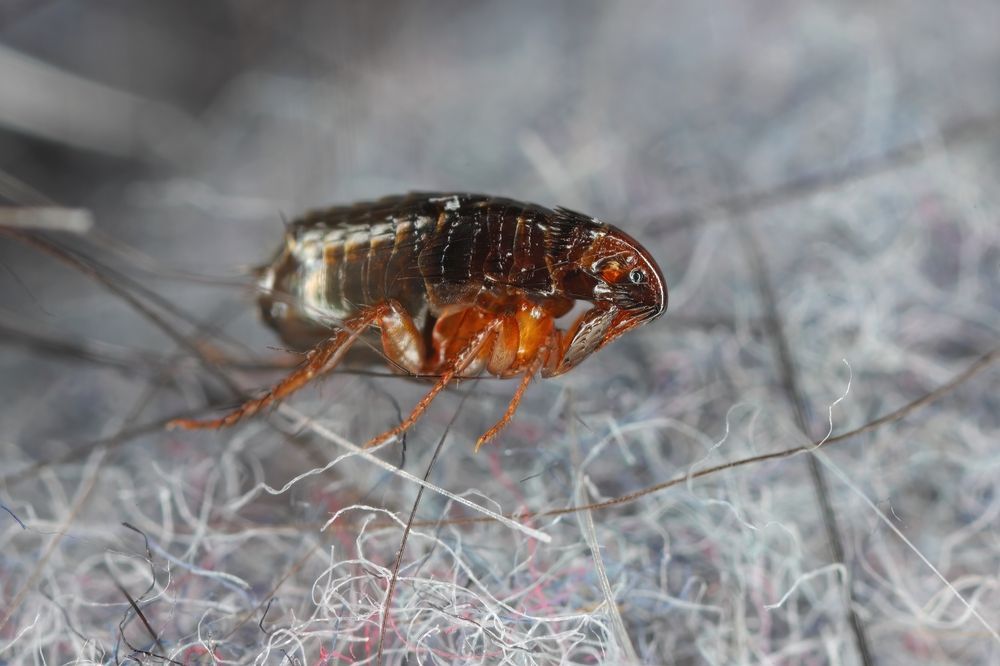
Look through the fur around the neck, belly, hind legs, and base of the tail. Adult fleas are small, dark, and quick-moving. You may notice them running through the fur or jumping away.
Also watch for:
- Frequent scratching or biting
- Restlessness
- Red or irritated skin
- Hair loss from repeated scratching
- Small black specks in the fur
- Fleas caught in a fine-toothed flea comb
The black specks may be flea dirt, which is dried blood passed by adult fleas. Place a few specks on a damp white paper towel. Flea dirt may dissolve into reddish-brown marks.
Inspect Pet Bedding and Furniture
Flea eggs can fall from an animal wherever it rests. Check pet beds, blankets, sofas, rugs, and cushions for adult fleas or dark debris.
Pay particular attention to protected areas beneath furniture and along walls. Flea larvae avoid bright light and are more likely to remain in quiet, shaded locations.
Use Light-Colored Socks
Put on tall white socks and slowly walk through the suspected area. Adult fleas may jump toward the movement and become visible against the light fabric.
This test can help identify active fleas, but a negative result does not rule them out. Pupae may remain protected in their cocoons until movement, warmth, or other signals trigger adults to emerge.
Can You Have Fleas Without Pets?
Homes without pets can still develop flea problems. Rodents, raccoons, opossums, stray cats, squirrels, or other animals may introduce fleas around or inside a structure.
Fleas can also remain after a previous resident or pet leaves. Without their preferred animal host, newly emerged adults may begin biting people.
Possible sources include:
- Rodents nesting in an attic or crawl space
- Wildlife sheltering beneath a deck
- Stray animals resting near the foundation
- Fleas left by a former pet
- Used furniture or rugs
- Visitors bringing an infested animal onto the property
When fleas appear without an obvious pet source, the property should be checked for wildlife and rodent activity. Treating the fleas without addressing the host animal may allow the problem to return.
Are Flea Bites Dangerous?
Most flea bites cause temporary itching and irritation. Scratching can break the skin and increase the chance of infection, so the area should be kept clean.
Some fleas can also spread germs or parasites. The Centers for Disease Control and Prevention’s flea guidance identifies flea-borne typhus as one concern and notes that many reported U.S. cases occur in Texas, California, and Hawaii. This does not mean every flea bite creates a serious health risk, but fever or other illness after suspected flea exposure should not be ignored.
Contact a healthcare professional if you develop:
- Increasing redness, warmth, pain, or swelling
- Drainage or other signs of infection
- A widespread rash
- Fever, chills, headache, or unusual weakness
- Facial swelling or difficulty breathing
- Symptoms that continue to worsen
A pest professional can identify activity in the property, but skin symptoms should be evaluated by a qualified medical provider.
What to Do About Flea Bites
Wash the affected skin gently with soap and water. Avoid scratching, even when the bites are intensely itchy.
A pharmacist or healthcare provider can recommend suitable options for itching based on your age, health, medications, and symptoms. Seek urgent medical care for breathing difficulties, facial swelling, faintness, or another severe allergic reaction.
Treating the skin will not stop new bites if fleas remain in the home. The source of the infestation must be addressed at the same time.
Why Flea Problems Continue After You Treat the Pet
Adult fleas are only one part of the infestation. Eggs, larvae, and pupae can remain in carpets, upholstery, pet bedding, floor cracks, and other protected areas.
Treating only the animal may leave immature fleas behind. Treating only the floor may also fail if the pet continues carrying adults.
Effective control usually requires coordinated work that includes:
- Veterinary-approved treatment for every pet
- Frequent vacuuming
- Washing pet bedding
- Treatment of indoor breeding areas
- Attention to shaded outdoor resting areas
- Rodent or wildlife correction when relevant
- Follow-up monitoring
Never apply a flea product intended for dogs to a cat unless the label specifically states that it is safe for cats. Pet flea products should be selected and used with guidance from a veterinarian and in strict accordance with the label.
How to Reduce Fleas in Your Texas Home
Begin by vacuuming carpets, rugs, upholstered furniture, floor edges, and the spaces beneath furniture. Empty the vacuum outside in a sealed bag so captured fleas cannot escape back into the home.
Wash pet bedding and other washable fabrics according to their care instructions. Keep pets on a consistent veterinarian-recommended flea prevention plan rather than waiting until scratching begins.
Outdoors, concentrate on areas where animals spend time. Flea larvae do not perform well in hot, exposed lawn areas. They are more likely to survive in humid, shaded places beneath decks, shrubs, porches, kennels, or outdoor furniture.
Avoid spraying the entire yard without identifying where fleas are developing. Targeted treatment is usually more practical than applying products to sunny areas that do not support flea larvae.
How EcoForce Handles Flea Activity
At EcoForce Pest Management, we look beyond the visible bites. Our inspection focuses on the areas where animals rest, where fleas may be developing, and where activity is most concentrated.
Our professional flea-control service uses an integrated pest management approach. We identify infestation hot spots and breeding areas, then combine source reduction with targeted treatment. Pet treatment should also be coordinated with a veterinarian so the animal and property are addressed together.
Fleas can continue emerging after an initial service because the pupal stage is protected inside a cocoon. Preparation, vacuuming, pet care, treatment, and follow-up all contribute to successful control.
Stop the Bites by Addressing the Source
The location and grouping of flea bites can point you in the right direction, especially when marks repeatedly appear around the ankles or lower legs. The clearest answer comes from combining the skin pattern with evidence from pets, carpeting, furniture, and animal resting areas.
When the bites keep appearing or you have found signs of flea activity, contact EcoForce Pest Management to schedule an inspection. We can locate the areas supporting the infestation and recommend a treatment plan for your Texas home or business.
Start Being Pest Free Today!
Contact Us