Why Mosquito Bites Swell Up and When to Worry
Most mosquito bites cause a small, itchy bump that settles down within a few days. The swelling is your immune system reacting to proteins in the mosquito’s saliva, not to venom left beneath your skin.
Some people barely react, while others develop a much larger red, warm, or swollen area. A strong local reaction can be uncomfortable without being dangerous. The symptoms become more concerning when they include trouble breathing, facial swelling, signs of infection, or an illness such as fever and severe headache.
Why Do Mosquito Bites Swell?
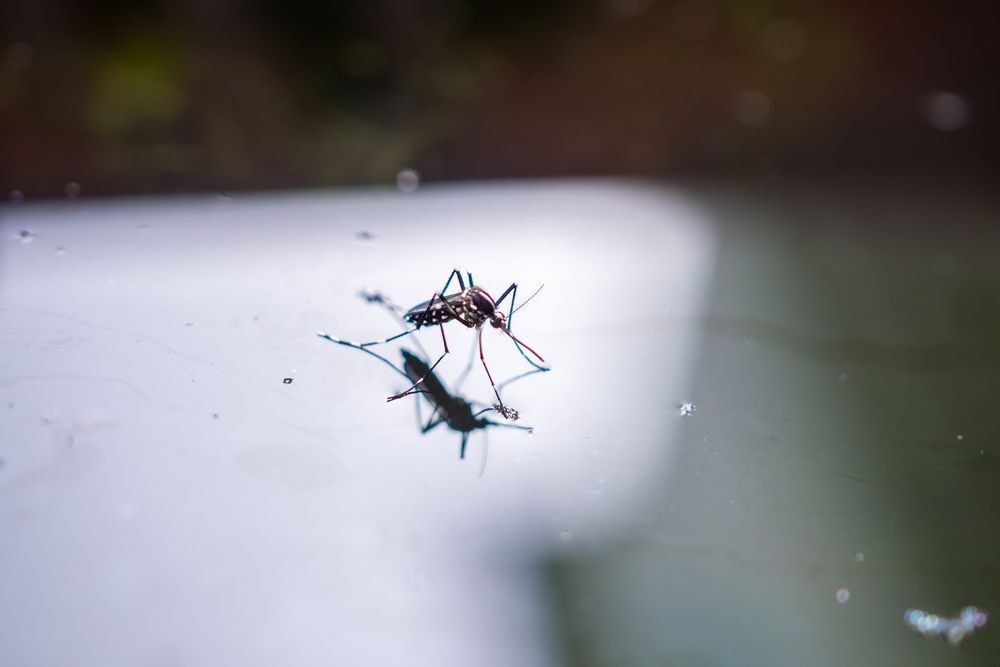
When a female mosquito feeds, she uses a narrow mouthpart to pierce the skin and reach a small blood vessel. During the process, she introduces saliva containing substances that help her feed.
Your immune system recognizes proteins in that saliva as foreign. It releases chemicals, including histamine, around the bite. This response increases blood flow and fluid in the surrounding tissue, producing the familiar raised bump, redness, and itching.
The Centers for Disease Control and Prevention’s mosquito bite guidance explains that reactions range from a mild bump to a larger area of swelling, soreness, and redness.
The swelling is therefore a sign that your immune system noticed the bite. It does not automatically mean the mosquito transmitted a disease or that the skin has become infected.
Why Some Mosquito Bites Get Bigger Than Others
Two bites on the same person can produce noticeably different reactions. The size of the bump depends on how strongly the immune system responds and where the mosquito bit.
Several factors may affect the reaction:
- Your individual sensitivity to mosquito saliva
- Previous exposure to that type of mosquito
- The location of the bite
- Scratching or rubbing the area
- The number of bites received
- An unusually strong local allergic response
A bite near the eye, hand, ankle, or another area with loose or sensitive tissue may look more dramatic than a bite elsewhere. Swelling around the eye can be especially noticeable because fluid collects easily in that area.
Children may also develop more visible reactions than adults. Their immune systems may respond strongly to bites they have not encountered before, and they may have more difficulty resisting the urge to scratch.
What Is a Normal Mosquito Bite Reaction?
A typical bite may begin as a small raised bump shortly after exposure. It can become redder, firmer, and itchier over the next several hours.
A normal local reaction may include:
- A small round or irregular bump
- Mild to moderate redness
- Itching
- Limited swelling around the bite
- Tenderness caused by scratching
- Gradual improvement over several days
The bump may temporarily become larger after scratching, taking a hot shower, exercising, or spending time in the heat. These activities can increase blood flow and make the redness or itching more noticeable.
A bite that remains confined to one area and steadily improves usually does not require emergency treatment. Keep watching it, especially if the skin has been scratched open.
When a Large Reaction May Be Skeeter Syndrome
Some people develop an exaggerated local reaction called Skeeter syndrome. The affected area may become much larger, hotter, redder, and more painful than an ordinary mosquito bite.
The reaction can appear within hours and may resemble a skin infection. The American Academy of Allergy, Asthma & Immunology’s explanation of Skeeter syndrome describes it as an unusually large inflammatory response that can cause swelling, heat, redness, itching, and pain.
A large local reaction is not the same as anaphylaxis. It can still deserve medical attention, particularly when:
- The swelling crosses a joint.
- The affected area continues expanding.
- Pain or warmth becomes significant.
- The reaction is close to the eye or mouth.
- Similar severe reactions happen after every bite.
- You cannot distinguish the reaction from an infection.
A healthcare provider can assess the symptoms and recommend treatment based on the person’s age, medical history, and the severity of the reaction.
When Mosquito Bite Swelling Is an Emergency
Severe allergic reactions to mosquito bites are uncommon, but any reaction that affects breathing or circulation should be treated as an emergency.
Call 911 or seek immediate emergency care for:
- Trouble breathing or wheezing
- Swelling of the lips, tongue, face, or throat
- Difficulty swallowing
- Widespread hives
- Dizziness, confusion, or fainting
- A rapid decline in how the person feels
Do not wait to see whether these symptoms improve on their own. Someone with a prescribed epinephrine auto-injector should follow the emergency plan provided by their healthcare professional.
Is It Swelling or a Skin Infection?
A fresh mosquito bite can be red, warm, and swollen without being infected. An allergic reaction commonly begins soon after the bite, while an infection is more likely to develop after bacteria enter damaged skin.
Repeated scratching is a common reason that a simple bite becomes infected. Fingernails can break the surface and transfer bacteria into the wound.
Possible signs of infection include:
- Redness that keeps spreading rather than stabilizing
- Increasing pain or tenderness
- Pus or cloudy drainage
- Red streaks extending away from the bite
- A wound that becomes hotter over time
- Fever accompanying worsening skin symptoms
- Swelling that gets worse after several days
Marking the edge of the redness with a pen can help you see whether it is expanding. This is not a substitute for medical evaluation, but it can provide useful information when speaking with a healthcare provider.
Avoid squeezing, cutting, or repeatedly picking at the bite. These actions increase irritation and can introduce more bacteria.
When Flu-Like Symptoms Matter
The size of a mosquito bite cannot tell you whether the insect carried a disease. Most mosquito bites do not lead to illness, but infected mosquitoes can transmit viruses and parasites.
Texas health officials advise residents to watch for mosquito-borne illnesses such as West Nile virus, dengue, Zika, and chikungunya. The Texas Department of State Health Services’ mosquito-borne disease information emphasizes that preventing mosquito breeding and avoiding bites are the most effective protections.
Contact a healthcare provider when symptoms following possible mosquito exposure include:
- Fever
- Severe headache
- Body or joint aches
- Unusual fatigue or weakness
- A widespread rash
- Vomiting or diarrhea
- Swollen lymph nodes
- Confusion, tremors, or muscle weakness
These symptoms do not prove that a mosquito transmitted an infection. Many illnesses cause similar problems. Tell the provider about recent mosquito exposure, travel, and when the symptoms began.
Confusion, seizures, severe weakness, neck stiffness, or loss of consciousness require urgent medical attention.
How to Calm a Swollen Mosquito Bite
Most mild bites can be managed with simple home care. Begin by washing the area gently with soap and water.
A cold compress can reduce itching and swelling. Wrap an ice pack in a clean cloth and apply it for short periods rather than placing ice directly against the skin.
You can also:
- Avoid scratching the bite.
- Keep fingernails clean and trimmed.
- Cover scratched bites with a clean bandage.
- Elevate a swollen hand, foot, arm, or leg when practical.
- Ask a pharmacist about an appropriate anti-itch product.
- Follow all medication labels and age restrictions.
Do not apply household chemicals, undiluted essential oils, bleach, or harsh disinfectants to the skin. These products can cause burns or additional irritation.
Pregnant people, young children, and anyone taking prescription medication should speak with a healthcare professional or pharmacist before using a new oral or topical medicine.
Why Scratching Makes the Swelling Worse
Scratching offers a few seconds of relief, but it causes additional inflammation. The friction irritates the surrounding tissue and can increase redness, warmth, and swelling.
It can also create an itch-scratch cycle. The more irritated the skin becomes, the stronger the urge to scratch.
For children, consider covering the bite with clothing or a clean adhesive bandage when appropriate. A cool compress can also reduce the sensation without damaging the skin.
Seek medical advice if a child scratches until the area bleeds, develops open sores, or shows signs of infection.
Mosquito Bite or Another Type of Bite?
Not every itchy bump found after time outdoors comes from a mosquito. Fleas, chiggers, biting flies, fire ants, and other pests can cause skin reactions.
Mosquito bites often form isolated puffy bumps on exposed skin. Other clues may point elsewhere:
- Flea bites commonly occur around the ankles and lower legs.
- Chigger bites may cluster around sock lines, waistbands, or tight clothing.
- Fire ant stings often burn immediately and later form small pustules.
- Biting fly bites can feel painful at the moment they occur.
- Bed bug bites are often noticed after sleeping and may appear in groups.
Bite appearance alone rarely provides a definite identification. Consider where you were, what you were doing, whether you felt the bite, and whether pest evidence is present nearby.
A pest control technician can inspect the property for mosquito breeding and resting areas, but unexplained or worsening skin symptoms should be evaluated by a medical professional.
How to Prevent More Mosquito Bites
Treating the swelling helps with the current bite. Reducing mosquitoes around your home can help prevent the next one.
Start by walking around the property and looking for water that has remained in place for several days. Mosquitoes can develop in containers that homeowners may not view as breeding sites.
Check:
- Plant saucers
- Buckets and watering cans
- Children’s toys
- Birdbaths
- Wheelbarrows
- Pet bowls
- Tarps and furniture covers
- Clogged gutters
- Unused pools or fountains
- Trash and recycling containers
Empty, scrub, cover, or remove containers that collect water. Refresh necessary water sources regularly and keep gutters flowing.
Mosquitoes also rest in shaded, humid vegetation during the day. Trimming dense growth and clearing unnecessary yard debris can reduce these protected areas.
Our guide to what attracts mosquitoes to people and their homes explains how standing water, vegetation, body heat, carbon dioxide, and other cues can contribute to mosquito activity.
Use Personal Protection Outdoors
Property maintenance can lower mosquito pressure, but it may not eliminate every bite. Personal protection remains important during yard work, outdoor meals, sporting events, and evening activities.
Helpful measures include:
- Applying an EPA-registered insect repellent according to its label
- Wearing long sleeves and pants when conditions allow
- Repairing damaged window and door screens
- Keeping doors closed when they are not in use
- Using fans around patios and covered seating areas
- Avoiding unnecessary standing water near gathering spaces
Mosquitoes are active at different times depending on the species. Some bite during the day, while others are more active around dusk, overnight, or near dawn. Protection should not be limited to evening hours.
When Professional Mosquito Control Makes Sense
A few mosquitoes after a storm may be temporary. Consistent biting every time you step outside often points to breeding or resting areas on or near the property.
Professional help may be useful when:
- You cannot use the yard without repeated bites.
- Mosquitoes remain active after standing water is removed.
- Dense vegetation creates extensive resting areas.
- Nearby drainage or water features complicate prevention.
- Daytime-biting mosquitoes are consistently present.
- You need seasonal protection for an outdoor space.
At EcoForce Pest Management, our Texas mosquito-control services are available for residential and commercial properties. We inspect the property for breeding and resting areas, identify conditions supporting activity, and recommend treatment based on what we find.
Reduce Mosquito Pressure Around Your Texas Property
A swollen mosquito bite is usually an ordinary immune response, even when the bump looks dramatic. Medical care becomes more important when swelling affects breathing, continues expanding, shows signs of infection, or appears with fever and other symptoms.
Stopping the reaction begins with caring for the skin. Preventing repeated bites requires attention to the property.
When mosquitoes continue interfering with your time outdoors, contact EcoForce Pest Management to request mosquito-control service. We can inspect your Texas property, locate likely activity areas, and recommend a practical plan for reducing mosquito pressure.
Start Being Pest Free Today!
Contact Us