
How to Get Rid of Bed Bugs
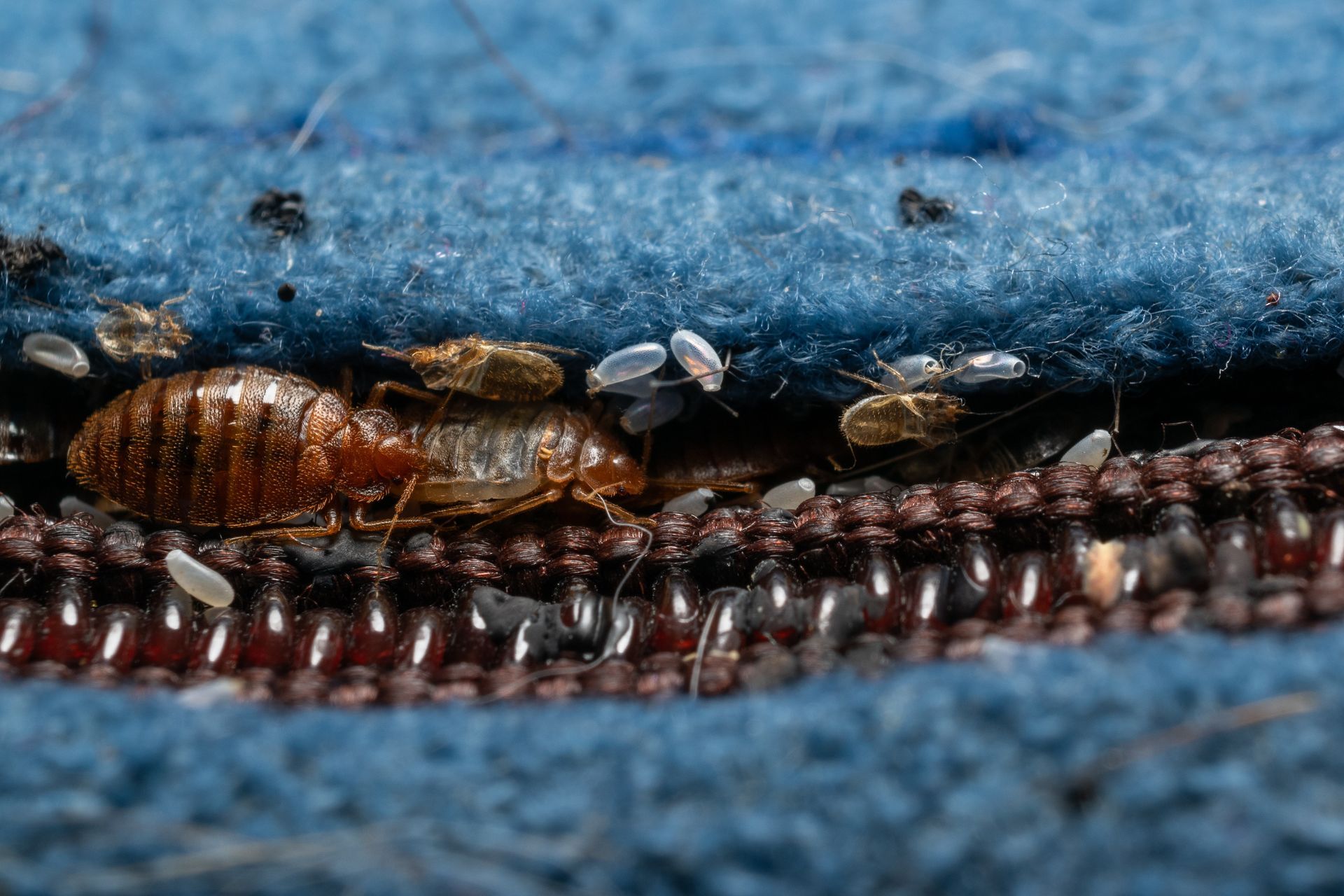
Living with bed bugs can cause red, itchy welts all over your body. They are a nightmare to deal with, but it is possible to get rid of them with patience and attention to detail. Removing bed bugs requires time and persistence and often involves multiple strategies to ensure complete eradication. Cluttered environments can complicate bed bug eradication efforts by providing numerous hiding spots for the pests. Additionally, frequent travelers may inadvertently bring bed bugs home in their luggage. While the following steps outline effective methods to get rid of bed bugs, if you find it difficult to manage on your own, it is always best to hire a trained professional.
Getting Rid of Bed Bugs
Getting rid of bed bugs involves a systematic approach that includes identifying the infestation, containing the pests, preparing the area, implementing effective extermination methods, and maintaining vigilant monitoring to ensure complete eradication.
Identify Bed Bug Activity
Identifying a bed bug infestation early is crucial for effective treatment, as smaller infestations are easier and less costly to manage. However, early detection can be challenging because bed bugs are experts at hiding and their bite patterns may not be immediately recognizable. Recognizing the signs of bed bugs and understanding where to look can increase the chances of successful identification and treatment. Seeking professional help is recommended for a thorough inspection, as trained professionals know precisely what to look for.
Places to Look for Bed Bugs:
- Fabric edges of the mattress
- Wooden structures the box spring
- Between baseboards and walls
- Furniture upholstery
- Electrical outlets and appliances
- Under paintings, posters, and mirrors
- Bed frames and headboards
- Carpet around the bed
- Joints of wooden furniture
- Screw holes in wooden furniture
- Inside wall cavities
- Around pet bedding
- Under wallpaper
Bed bugs have extremely thin bodies when unfed which allows them to fit into any small crack or crevice. Thoroughly inspecting these common hiding places can help you detect an infestation early.
Signs of Bed Bugs or Bed Bug Activity:
- Live bed bugs or nymphs. Adult bed bugs are about ¼ of an inch long and red, while nymphs are white and so small they are difficult to see without magnification
- Reddish blood stains on your mattress from feeding
- Dark pellets that bleed into bedding (bed bug droppings)
- Small, pale yellow eggs
Once bed bugs have been identified, immediate action is necessary to prevent their population from growing. Implementing population growth mitigation and extermination strategies ensures that the infestation is thoroughly addressed and eliminated. Regular inspections and monitoring can help detect any resurgence early and maintain a bed bug-free environment.
Preparing for a Bed Bug Infestation
Before starting a bed bug treatment, it is essential to take several preparatory steps to maximize the effectiveness of the treatment. Proper preparation helps ensure that the treatment reaches all affected areas and increases the likelihood of completely eradicating the infestation.
Preparation Steps:
- Minimize Hiding Places:
- Declutter infested rooms by discarding items that are not valuable.
- Avoid transferring items from infested rooms to non-infested areas to prevent spreading bed bugs.
- Implement Exclusion Strategies:
- Seal any entry points around the house, including cracks and crevices.
- Secure the edges of electrical outlets.
- Stripping the Bed:
- Ensure your bed is at least 6 inches away from the wall to limit bed bugs' access.
- Remove all bedding and seal it in plastic bags immediately to contain the bed bugs.
- Launder bedding using the highest heat settings available, ensuring a minimum 30-minute cycle.
- Steam clean the mattress and box spring slowly and thoroughly to kill remaining bed bugs with heat.
- Vacuum the mattress, box spring, and surrounding areas to remove dead bugs, nymphs, and eggs.
- Securely seal and dispose of vacuum contents, then thoroughly clean the vacuum.
- Inspect bed frame joints for bed bugs and apply pesticides to kill any remaining bed bugs on contact.
- Use mattress and box spring encasements to trap any surviving bed bugs and prevent them from escaping.
Contain the Infestation
Once you confirm the presence of bed bugs, it's crucial to contain the infestation and stop it from spreading to other parts of your home. Start by vacuuming thoroughly, focusing on areas where bed bugs are likely to hide like:
- Beds and bedding
- Dresser drawers and their joints
- Carpets
- Electronics
After vacuuming, immediately dispose of the vacuum bag in a sealed plastic bag and clean the vacuum to prevent any bed bugs from escaping. This step is essential to avoid unintentionally dispersing bed bugs throughout your home during future cleanings.
Next, gather all sheets, comforters, linens, and bedding and wash them on the highest heat setting. Follow with a high-heat dry cycle to ensure each item is exposed to high temperatures for at least 30 minutes to eliminate any bed bugs, nymphs, or eggs. For items that cannot be washed and dried, seal them in airtight bags to prevent the bed bugs from escaping. If discarding infested items, clearly label them with "bed bugs" to prevent others from retrieving and spreading the infestation.
Bed Bug Encasements
When dealing with a bed bug infestation, replacing expensive mattresses and box springs might not be feasible for most families. Instead, using bed bug encasements can be an effective containment strategy. These encasements are designed to trap bed bugs inside and prevent them from feeding to ensure they eventually starve to death. Typically, they need to remain on the mattress for about a year and a half to cover the entire life cycle of bed bugs. Made from materials that prevent bed bugs from escaping or biting through, these encasements provide an affordable and efficient solution for managing bed bug infestations without discarding valuable furniture.
Bed Bug Traps
While bed bug traps are primarily used to detect the presence of these pests, they can also play a role in containment and reducing their impact. Moat-style traps placed under the legs of your bed called bed bug interceptors are designed to stop bed bugs as they try to climb up the legs of a bed. The traps' smooth interior surfaces prevent the bed bugs from gaining traction, effectively trapping them. Similarly, sticky pads placed under the mattress can catch bed bugs which helps to reduce their numbers and limit their movement. These traps are valuable tools in the overall strategy for monitoring, managing, and controlling bed bug infestations.
Bed Bug Treatment
There are several treatment options for bed bugs, and they generally fall into three main categories: temperature control, chemical treatment, and eco-friendly pest management strategies. Each method has its own advantages and disadvantages, making it important to choose the right approach based on the specific circumstances of the infestation.
Heat Treatment
Heat treatment stands out as one of the most effective non-chemical bed bug elimination methods. This approach involves elevating the temperature in infested areas to levels fatal for bed bugs.
- Washing and Drying Bedding and Clothing on High Heat: Ensure all infested fabrics are laundered at high temperatures.
- Steaming Infested Furniture, Mattresses, and Upholstery: Use a steam cleaner to kill bed bugs hiding in furniture and fabrics.
- Packing Infested Items into Black Trash Bags and Leaving Them in the Sun: The heat generated in sealed black bags can kill bed bugs in hot climates.
- Using Industrial Heaters: Raise the temperature of an entire home above 130°F for at least 30 minutes to ensure all bed bugs are eradicated.
Heat treatments are generally preferred over cold treatments because they are more efficient and easier to maintain. Cold treatments require extremely low temperatures that are difficult to achieve and sustain over large areas. Whole home heat treatments are recommended to ensure that bed bugs do not simply migrate to untreated areas.
Pros and Cons of Heat & Steam Treatment
Pros:
- Fast, effective, and non-toxic
- Works well in smaller spaces with low ceilings
Cons:
- Most expensive option
- If not applied to the entire home, bed bugs may escape to untreated areas
- No residual effects, meaning it does not prevent future infestations
Chemical Treatments
Chemical treatments involve the use of insecticides and pesticides that are approved by the Environmental Protection Agency (EPA). These chemicals are designed to kill bed bugs through various mechanisms.
- Pyrethrins: The most common class of chemicals used for bed bug extermination.
- Pyrroles: Compounds that kill bed bugs by disrupting their cellular function.
- Neonicotinoids: Synthetic pesticide that affects the nervous system of bed bugs.
- Foggers: Also known as bed bug bombs, although their effectiveness is limited due to their inability to reach hidden bed bugs in cracks and crevices.
- Insect Growth Regulators: Chemicals that disrupt the life cycle of bed bugs which prevents them from maturing or reproducing.
When choosing a pesticide product, it is crucial to ensure it is EPA registered and specifically targets bed bugs. Following the product instructions closely is essential to avoid creating pesticide-resistant bed bug populations.
Pros and Cons of Chemical Treatment
Pros:
- Least expensive bed bug treatment option
- Most effective when integrated with other treatment strategies
Cons:
- Cannot be used on mattress surfaces due to hazardous chemicals
- Complete eradication often requires multiple treatment sessions
- Some bed bug populations have developed pesticide resistance
- Bed bugs may outlive the residual effects of pesticides
Non-Chemical Treatments
Non-chemical treatments, while generally less effective when used alone, can complement other treatment methods to enhance overall effectiveness.
- Desiccants: Materials like boric acid and diatomaceous earth destroy the protective outer layer of bed bugs, causing them to dehydrate and die. Bed bugs cannot develop resistance to desiccants, but these treatments work slowly.
- Plant Oil Products: Derived from natural plant oils, these products act as insect deterrents and can be part of an integrated pest management strategy.
By employing a combination of these treatments, you can effectively tackle a bed bug infestation and reduce the likelihood of recurrence. Each method has its unique benefits and limitations, so choosing the right combination of strategies is key to successful bed bug eradication.
Monitor
Bed bugs are known for their resilience and often need repeated treatments for complete elimination. To ensure they do not return, place bed bug interceptors on the footers of your bed and traps around the bed and check these traps regularly over several months to detect any signs of bed bug activity. Continuous monitoring should last for at least two months, with occasional checks extending up to a year to ensure your home remains bed bug free.
Retreat
If you notice signs of bed bug activity returning, it is crucial to conduct a thorough retreatment immediately to prevent a new outbreak. Acting swiftly helps minimize the potential for the infestation to spread further. If multiple attempts to eradicate the bed bugs have been unsuccessful, it is advisable to seek professional help to ensure effective treatment and to contain the infestation within its current boundaries.
Professional Help
If you want to avoid the frustration of unsuccessful bed bug extermination attempts, hiring a professional pest control technician is the best course of action. Professionals like those at EcoForce Pest Management are licensed and trained and bring years of experience and specialized equipment to effectively treat your home. They will provide a comprehensive checklist of preparatory steps to ensure the treatment is thorough and efficient, which helps to speed up making your home bed bug free.
Are Bed Bugs Hard to Get Rid Of?
Bed bugs are among the most challenging pests to eradicate, as they pose significant difficulties for both homeowners and pest control professionals. Here are the primary reasons why bed bugs are notoriously hard to eliminate:
- Pesticide Resistance: Many bed bugs have developed resistance to common pesticides like pyrethrin. This resistance makes traditional chemical treatments less effective and requires alternative or multiple treatment methods to achieve successful eradication.
- Reproduction Rate: Bed bugs reproduce rapidly, with populations capable of doubling every two weeks under optimal conditions. Females feed regularly to prepare for laying eggs which contributes to a steady increase in the bed bug population over time.
- Behavior: Bed bugs are experts at hiding and typically come out at night when people are least likely to notice them which makes them very difficult to detect. They can hide in a wide variety of places including cracks, crevices, and even behind wallpaper. Bed bugs also spread easily by hitchhiking on clothes, luggage, and other personal items, further complicating efforts to control them.
- Dormancy: Bed bugs can survive for over a year without feeding by entering a dormant hibernation phase. This ability to go long periods without food means they can persist in an environment and become active again once a host is present.
These factors combined make bed bug infestations particularly stubborn and challenging to completely eradicate. A full blown infestation often requires comprehensive, multi-faceted approaches and professional intervention.
Can You Get Rid of Bed Bugs on Your Own?
While it is possible to attempt bed bug eradication on your own, the chances of success significantly increase with the help of professional pest control specialists. Professional pest control experts possess the required training, experience, and specialized equipment to effectively combat bed bug infestations. For instance, achieving the high temperatures required for whole-house heat treatments is challenging without professional support. At EcoForce Pest Management, our team provides comprehensive bed bug extermination strategies and guarantees to resolve your bed bug problem.
How Long Does It Take to Remove Beg Bugs
The time required to eliminate bed bugs depends on several factors, including the severity of the infestation, the thoroughness of the initial treatment, the extermination methods used, and a bit of luck. A comprehensive approach that combines heat treatments, chemical treatments, and non-chemical methods offers the best chance of success. Heat treatments can quickly kill a large portion of the population, while chemical treatments provide residual effects to target any remaining bed bugs. Non-chemical options further reduce the chance of survival. If the first round of treatment is thorough and successful, you should notice a significant reduction or elimination of bed bugs within 4 to 6 weeks. However, if new signs of bed bug activity appear, additional treatments will be necessary which will potentially extend the timeline.
What Not to Do When Getting Rid of Bed Bugs
When confronting a bed bug infestation, it's crucial to avoid certain actions that may exacerbate the situation or prove ineffective. Consider the following key points:
- Panic: While having bed bugs is distressing, panicking will only make the situation more overwhelming. Maintain composure and address the issue systematically.
- Throw Out Everything: Most of your belongings including clothes, mattresses, and furniture can be treated and salvaged. There's no need to discard everything.
- Wear Insecticides: Applying chemical pesticides on your skin is dangerous and unlikely to provide relief from bed bugs.
- Use Pesticides Not Designed for Bed Bugs: Using inappropriate pesticides is ineffective and can contribute to pesticide resistance.
- Using Non-EPA Registered Products: These products are not recognized as safe and may pose health risks.
- Move Furniture: Moving infested furniture can spread bed bugs to other areas of your home which will exacerbate the problem.
Avoiding these mistakes will help ensure a more effective and safe approach to bed bug eradication.
How To Get Rid of Bed Bugs in a Mattress
The immediate reaction to discovering bed bugs in your mattress might be to throw it out, but this doesn't address the root of the problem and can be costly to replace. Not only that but replacing a mattress when extermination isn’t completed will only expose the new mattress to the existing bed bug problem. To effectively remove bed bugs from your mattress, it’s essential to proceed with caution and thoroughness. Chemical treatments on mattresses are generally not recommended due to the risk of exposure to harmful chemicals. However, if you do choose this route, ensure the product is EPA-approved for use on mattresses to guarantee safety.
A more recommended method involves using heat treatment. A steamer can be used to apply hot steam to the mattress, which effectively kills bed bugs, nymphs, and eggs. Make sure to pass the steamer slowly over the entire mattress, paying special attention to seams, creases, folds, and corners. After steaming, vacuum the mattress thoroughly to remove any dead bed bugs. Finally, seal the mattress in a bed bug-proof encasement to prevent any surviving bed bugs from escaping and to protect against future infestations. This comprehensive approach ensures that the mattress is safe to use and free from bed bugs.
How to Get Rid of Bed Bugs in the Box Spring
A box spring is another place that offers numerous hiding spots for bed bugs which makes it a critical area to treat. Since your body doesn't come into direct contact with the box spring, using a chemical pesticide is more appropriate here. Begin by detaching the fabric liner to access frame joints and the underside of the box spring. Use heat and steam to kill any remaining bed bugs before thoroughly vacuuming. Afterward, encase the box spring in a bed bug-proof cover to ensure any surviving bugs are trapped.
How to Get Rid of Bed Bugs in the Furniture
Bed bugs are not limited to beds and can infest various types of furniture including sofas, chairs, bedroom furniture, and even picture frames. Here’s how to effectively treat each of these areas:
Sofa and Chairs
Sofas and recliners are common hiding spots for bed bugs due to their frequent use in the evenings when people sit for extended periods watching TV or movies. To get rid of bed bugs in sofas and chairs, start by thoroughly steaming the furniture to kill bed bugs, nymphs, and eggs. Follow up with a thorough vacuuming to remove any dead bugs. In addition to chemical treatments, apply dusting with desiccants like diatomaceous earth to dehydrate any remaining bed bugs. While there are limited options for couch encasements, using footer traps can help detect any returning bed bugs and monitor the effectiveness of the treatment.
Bedroom Furniture
Bed bugs often migrate from the bed to nearby furniture, such as nightstands and dressers. To treat these pieces, first isolate them in the infested room and remove all contents. Discard any unnecessary items and inspect and clean the rest according to bed bug protocols. Apply bed bug specific pesticides to the furniture, focusing on the insides of drawers, joints, screw holes, and any other crevices where bed bugs might hide. Once the pesticide has dried, apply a powdered desiccant for an additional layer of protection. Although heat treatment is an effective way to ensure complete eradication, it poses a risk of warping wooden furniture and is sometimes difficult to manage given the size of some bedroom items.
Picture Frames
Bed bugs can climb walls and hide in picture and poster frames near the bed. Inspect these frames for signs of bed bugs. If you find evidence of bed bug activity, avoid using heat treatments to prevent damage to the images. Instead, vacuum the frames thoroughly, then apply a pesticide spray followed by a dusting with a desiccant to eliminate any remaining bed bugs. This method ensures that bed bugs hiding in these areas are effectively treated without damaging your artwork or family photos.
How to Get Rid of Bed Bugs in Carpet
While bed bugs typically don't reside in carpets, they often travel through them in search of new hiding places. If you find signs of bed bugs in your carpet, they are likely moving to find a new food source. You can eliminate bed bugs from your carpet by:
- Steam Application: Utilize a steam cleaner, making slow, deliberate passes over the carpet to ensure thorough heat penetration. Focus particularly on the edges of the room where bed bugs are more likely to hide.
- Vacuuming: After steaming, vacuum the carpet to remove any dead bed bugs, nymphs, or eggs. Promptly seal and dispose of the vacuum bag in a plastic container to prevent any surviving bed bugs from escaping.
- Insecticides: Avoid broad application of insecticides on the carpet. Rather than treating the entire carpet, focus on the perimeter where the carpet meets the walls, as bed bugs are more likely to congregate in these areas.
How to Get Rid of Bed Bugs in Clothes
Bed bugs can hide in clothes, especially during travel, so it's important to take specific steps to ensure they are not brought into your home. Here are the ways to get rid of bed bugs in clothes:
- Keep Contaminated Laundry Separated: Seal infested clothes in a plastic bag to contain bed bugs until you can wash them properly.
- Wash and Dry on High Heat: Use the highest heat settings on both the washer and dryer to kill bed bugs, nymphs, and eggs.
- Store Clean Clothes Properly: Keep clean clothes in a sealed plastic bin while other treatments are being implemented to prevent re-infestation.
- Notify Dry Cleaners: For special care clothing, inform the dry cleaners about the bed bug issue so they can use appropriate cleaning methods like perchloroethylene (PCE) to kill bed bugs.
How to Get Rid of Bed Bugs in Luggage
Bed bugs often hitchhike on luggage, especially from places with high traveler turnover like hotels and motels. To prevent and eliminate bed bugs from your luggage, follow these steps:
- Inspect the Mattress and Headboard: Before unpacking in a hotel room, thoroughly inspect the mattress and headboard for any signs of bed bugs.
- Avoid Placing Luggage on Beds or Floors: Instead, use luggage racks or place your luggage on a hard surface away from the bed and walls.
- Seal Clothes in Plastic Bags: After traveling, place your clothes in sealed bags and directly transfer them to the laundry to prevent any bed bugs from spreading.
- Steam Clean the Luggage: Use a steam cleaner on your luggage to kill any bed bugs, nymphs, or eggs.
- Store Luggage Properly: Wrap your luggage in a plastic trash bag when not in use to prevent any hitchhiking bed bugs from escaping and infesting your home.
How to Get Rid of Bed Bugs Permanently
Achieving permanent eradication of bed bugs typically requires professional assistance due to their resilience and ability to reinfest an area if not completely exterminated. A professional pest control team can provide ongoing maintenance services and quickly identify and address any bed bug issues. Multiple treatment plans are often necessary for successful extermination, and professionals have the expertise and tools to implement these strategies effectively. To ensure that bed bugs are permanently eliminated from your home, schedule an inspection and treatment with a reliable pest management company like EcoForce Pest Management.
Prevention Tips
The most effective way to manage bed bugs is through prevention. By keeping them out of your home, you can avoid the hassle and expense of extermination. Here are some essential prevention tips to ensure bed bugs don’t become a problem:
- Keep Clutter Out of Your House: Reducing clutter minimizes hiding places for bed bugs.
- Steam, Vacuum, and Wash Bedding and Furniture Regularly: Regular cleaning disrupts potential infestations as well as increases the likelihood of early detection.
- Cover Your Mattress and Box Spring with a Bed Bug Encasement: This prevents bed bugs from infesting your bed.
- Check for Bed Bugs in Hotel Rooms: Inspect rooms and avoid placing luggage on beds or floors.
- Inspect Luggage and Travel Clothing Before Returning Home: This prevents bed bugs from hitching a ride into your home.
- Avoid Bringing in Second-Hand Furniture: Second-hand items can harbor bed bugs, so inspect them thoroughly or avoid them altogether.
Contact EcoForce Pest Management if You Are Dealing with Bed Bugs
Confronting a bed bug infestation can be stressful but remember that professional help is available. EcoForce Pest Management offers professional and effective bed bug extermination services to ensure your home is free from these persistent pests. Our experienced team utilizes comprehensive treatment plans and ongoing maintenance to achieve permanent eradication. Don't allow bed bugs to compromise your sense of security and well-being. Contact EcoForce Pest Management today to schedule an inspection and take the first step towards a bed bug-free home.
Get Rid of Bed Bug FAQs
What kills bed bugs instantly?
High heat kills bed bugs instantly. Using a steam cleaner to apply hot steam at temperatures above 130°F (52°C) directly onto bed bugs, nymphs, and eggs can effectively eliminate them on contact. Additionally, some chemical sprays and insecticides specifically designed for bed bugs can kill them immediately upon contact.
Can I get rid of bed bugs myself?
While it is possible to attempt getting rid of bed bugs yourself, achieving complete eradication can be challenging due to their resilience and ability to hide in tiny spaces. Using a combination of heat treatments, vacuuming, and EPA-approved chemical treatments can help, but professional pest control services are often more effective in ensuring all bed bugs are eliminated.
What can kill bed bugs in the house?
To kill bed bugs in the house, you can use high heat treatments such as steaming or washing and drying items on high heat, which effectively kills bed bugs, nymphs, and eggs. Additionally, EPA-approved chemical treatments, such as insecticides specifically designed for bed bugs, and desiccants like diatomaceous earth can also help eliminate them. For best results, combining these methods and seeking professional pest control services is recommended.
What makes bed bugs go away?
To make bed bugs go away, a comprehensive approach is necessary. This includes high heat treatments, such as steaming and laundering items on high heat, along with the application of EPA-approved chemical treatments and desiccants like diatomaceous earth. Consistent monitoring and professional pest control services can ensure complete eradication and prevent future infestations.
Start Being Pest Free Today!
Contact Us