What Do Ant Bites Look Like?
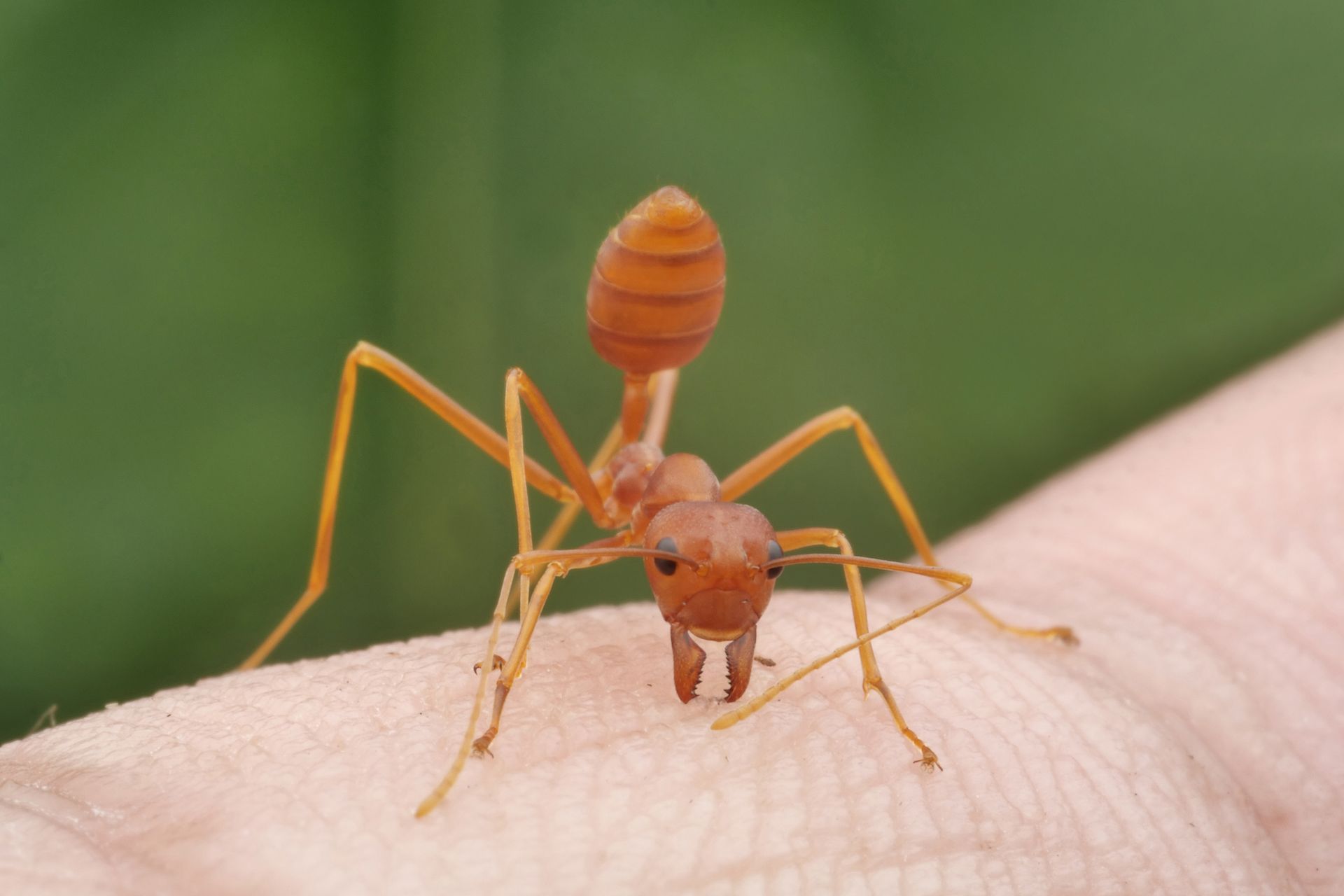
Ant bites typically manifest as small, red, raised bumps on the skin that measure between 2-5 millimeters in diameter, often accompanied by localized swelling, itching, and a burning sensation. The exact appearance varies significantly depending on the ant species responsible for the bite, the individual's immune response, and whether the injury resulted from a bite or a venomous sting. While many ant encounters result in minor skin irritation that resolves within hours, certain species can cause more severe reactions, including pus filled blisters, widespread welts, or in rare cases, systemic allergic responses requiring immediate medical attention.
Do Ants Bite and Sting?
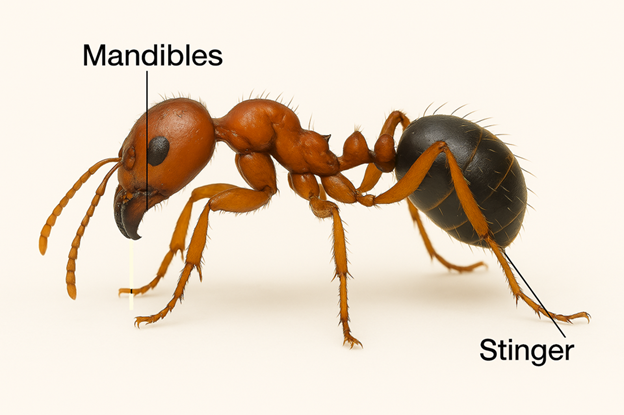
The relationship between ants and their defensive mechanisms represents a complex evolutionary adaptation that varies across the more than 15,700 named ant species and subspecies currently documented [1]. All ant species possess mandibles capable of biting, yet ants vary in their stinging capabilities. While ants evolved from stinging wasps and many species retain functional stingers, several subfamilies have evolutionarily lost the ability to sting [2]. Ants employ a sophisticated two pronged defensive arsenal, utilizing their powerful jaws for anchoring while deploying toxic compounds to repel threats.
The distinction between biting and stinging behaviors depends largely on the ant's subfamily classification and evolutionary history. Formicinae ants, including carpenter ants and field ants, rely primarily on powerful mandibles and formic acid spray for defense [3]. Conversely, Myrmicinae subfamily members, such as fire ants and harvester ants, have developed sophisticated stinging apparatuses that inject venom through a retractable stinger located at the tip of their gaster [4].
Understanding this behavioral dichotomy proves essential for proper identification and treatment of ant related injuries. When threatened, ants employ a coordinated defense response that often involves both biting to anchor themselves to the skin and stinging to inject venom.
What is the Difference Between an Ant Bite and Ant Sting?
The physiological mechanisms underlying ant bites versus stings create distinctly different wound patterns and symptoms. A true ant bite occurs when the insect uses its mandibles to pierce or pinch the skin, creating trauma without venom injection. The initial bite triggers acute discomfort resembling a needle prick, accompanied by localized inflammation and mild erythema that generally resolves within half an hour to an hour. The mandibles create compression marks that rarely break the skin's surface unless the ant species possesses particularly robust jaw structures.
Ant stings, conversely, involve the injection of venom through a specialized hypodermic like stinger. This process begins when the ant anchors itself using its mandibles, then curves its abdomen to insert the stinger perpendicular to the skin surface. The venom contains various bioactive compounds, including alkaloids, proteins, and peptides that trigger immediate burning sensations and inflammatory responses [5]. Fire ant venom specifically contains piperidine alkaloids, with solenopsins as the primary components, which cause the characteristic sterile pustule formation within 8-24 hours post sting [6].
The confusion surrounding ant "bites" stems from colloquial language usage, as most painful ant encounters actually involve stings rather than true bites. Medical literature increasingly recognizes this distinction, noting that the majority of medically significant ant injuries in the United States result from stinging species, particularly imported fire ants.
What Types of Ants Bite?
Fire Ants (Solenopsis species)
Fire ants represent the most medically significant stinging ants in the United States, with two primary species dominating southern regions: the red imported fire ant (Solenopsis invicta) and the black imported fire ant (Solenopsis richteri). These aggressive insects measure 2-6 millimeters in length and display reddish brown to black coloration. Fire ants exhibit unique attacking behavior, gripping skin with their mandibles while rotating their bodies to deliver multiple stings in a circular pattern. Each sting injects approximately 0.04-0.11 microliters of venom containing 95% piperidine alkaloids [7].
Carpenter Ants (Camponotus species)
Carpenter ants rank as giants in the North American ant world, spanning an impressive 6-25 millimeters with formidable jaw structures that inflict memorable puncture wounds. These sizeable insects have evolved without stinging capabilities, instead weaponizing acidic secretions that they discharge directly onto broken skin. This chemical defense mechanism creates a distinct burning sensation lasting 5-10 minutes. Carpenter ant bites typically occur when their nests are disturbed or when the ants perceive a direct threat to their colony, as these insects are generally non-aggressive and bite primarily in self defense.
Harvester Ants (Pogonomyrmex species)
Harvester ants deliver what entomologists consider among the most painful insect stings in North America, rating 3.0 on the Schmidt Sting Pain Index [8]. These robust ants, measuring 5-7 millimeters, inhabit western United States regions and construct distinctive nests surrounded by 1-3 meters of vegetation free zones. The venom cocktail delivered by harvester ants features blood destroying and nerve targeting substances, generating excruciating pulsating sensations that endure between 4-12 hours. Victims experience unique autonomic responses at the wound site, including concentrated perspiration and raised hair follicles forming visible goose bumps [9].
Field Ants (Formica species)
Field ants employ a unique defensive strategy combining mechanical biting with chemical warfare. Members of the Formica genus, ranging 4-8 millimeters in size, discharge potent acidic compounds through specialized glands positioned at their abdominal terminus. This combination produces immediate burning sensations and distinctive white halos around bite sites due to localized protein denaturation. People frequently disturb field ant colonies while engaging in recreational pursuits close to their surface dwelling habitats.
Pavement Ants (Tetramorium caespitum)
Pavement ants, despite their ubiquitous presence in urban environments, rarely bite humans unless directly handled or crushed. These small (2.5-3 millimeters), dark brown ants possess proportionally small mandibles that struggle to penetrate human skin effectively. When successful, their bites produce minimal discomfort comparable to a slight pinch, with symptoms resolving within minutes without treatment.
Little Black Ants (Monomorium minimum)
As their name suggests, little black ants measure merely 1.5-2 millimeters in length, making them among the smallest ant species encountered in homes. Their diminutive mandibles can occasionally breach thin skin areas, particularly between fingers or on the inner wrist, creating minor irritation lasting 5-15 minutes. These opportunistic foragers more commonly constitute a nuisance through food contamination rather than direct human injury.
Argentine Ants (Linepithema humile)
Argentine ants are invasive species now established across southern United States coastal regions that measure 2-3 millimeters and display light to dark brown coloration. While capable of biting when colonies are threatened, their small mandibles rarely cause noticeable discomfort. Argentine ant bites typically occur during mass swarming events when thousands of workers defend territory boundaries, resulting in multiple minor pinprick sensations rather than significant injuries.
Are Ant Bites Common?
Epidemiological data regarding ant bite frequency remains incomplete due to widespread underreporting of minor incidents. Fire ant stings affect an estimated 14 million people annually in the United States, with highest incidence rates in southeastern states [10]. Emergency department visits for ant related injuries show distinct seasonal patterns, peaking during April through October when ant activity coincides with increased outdoor human activities.
Geographic distribution significantly influences exposure risk. Texas, Louisiana, Mississippi, Alabama, Georgia, Florida, and South Carolina are among the states with the highest fire ant infestation rates. Occupational risk factors include agricultural work, landscaping, utility maintenance, and construction, where ground disturbance frequently triggers defensive ant responses.
Children aged 2-10 years demonstrate disproportionately high ant encounter rates due to outdoor play behaviors and decreased awareness of environmental hazards. Additionally, individuals with mobility impairments face elevated risk due to delayed recognition and escape responses when encountering ant colonies.
What Do Ant Bites and Stings Look Like?
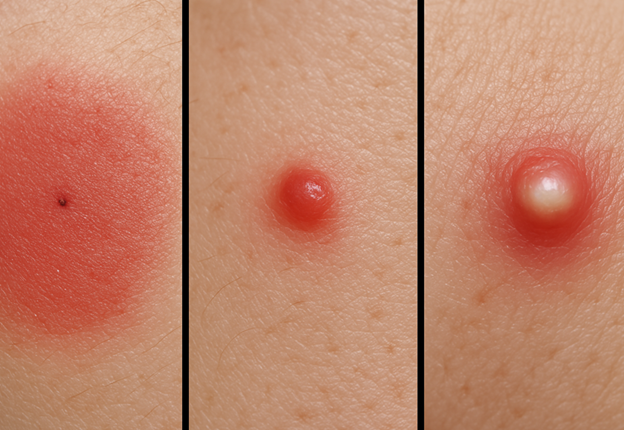
The visual presentation of ant injuries varies dramatically based on multiple factors including species, venom composition, injection depth, and individual immune responses. Initial contact typically produces an immediate wheal and flare reaction characterized by a raised, reddened area measuring 2-10 millimeters in diameter surrounded by an erythematous halo extending 10-50 millimeters from the central injury site.
- Fire ant stings follow a characteristic timeline: the original raised welt transforms into a transparent blister filled with clear tissue fluid during the 2-6 hour window post-sting. Over 24 hours, the alkaloid component of fire ant venom causes the formation of characteristic sterile pustules at sting sites. These pustules, which occur in 96% of stings, are infiltrated with neutrophils, lymphocytes, and necrotic debris, typically measuring 2-3 millimeters in diameter [11]. These pustules display central white or yellow purulent material surrounded by erythematous borders, often arranged in semicircular or linear patterns reflecting the ant's rotational stinging behavior.
- Carpenter ant bites manifest as paired puncture marks spaced 1-3 millimeters apart, corresponding to mandible width. The surrounding tissue displays localized edema and erythema extending 5-20 millimeters from bite sites. Formic acid exposure creates distinctive blanched centers within erythematous patches, occasionally accompanied by superficial tissue necrosis in sensitive individuals.
- Harvester ant stings produce disproportionately large local reactions, with indurated welts measuring 20-100 millimeters developing within 1-4 hours post sting. These stings show characteristic autonomic symptoms including localized piloerection (goosebumps), hyperhidrosis (localized sweating around the sting site), erythema, and edema that spreads from the injection area [12].
Symptoms of an Ant Bite
Local symptoms from ant bites and stings follow predictable temporal patterns enabling clinical staging:
Immediate reactions (0-5 minutes):
- Sharp, burning pain rated 2-4 on visual analog scales for most species
- Pain escalates to 7-8 for harvester ant stings
- Pruritus develops within 5-30 minutes, often persisting as the predominant symptom for 24-72 hours post injury
Progressive local reactions (6-24 hours):
- Expanding erythema and edema
- Fire ant stings uniquely produce sterile pustules by 24 hours
- Different ant varieties produce diverse levels of tissue hardening and regional heat elevation
- Secondary symptoms may include regional lymphadenopathy, particularly with multiple stings or in sensitive individuals
Systemic reactions:
- Affect between less than 1% to 16% of individuals who experience fire ant envenomation
- Manifestations range from generalized urticaria to life-threatening anaphylaxis
- Large local reactions (swelling exceeding 10 centimeters lasting over 24 hours)
- These reactions peak at 48-72 hours and may require systemic corticosteroid therapy
Pain characteristics by species:
- Fire ants: Instantaneous searing sensation that transitions into persistent itchiness
- Carpenter ants: Sharp mechanical pain with minimal burning
- Harvester ants: Penetrating pulsatile discomfort extending across multiple hours
- Field ants: Sharp biting pain combined with intense chemical burning from formic acid exposure
Can You Have Allergic Reactions to Ant Bites?
Hypersensitivity reactions to ant venom represent a significant medical concern, with fire ants causing more allergic reactions than any other Hymenoptera in endemic regions. IgE-mediated sensitization to fire ant venom is common in endemic populations, though reported rates vary widely. Medical presentations span from extensive regional inflammation to whole-body allergic emergencies.
Allergic reactions follow predictable patterns based on sensitization status. Initial exposure rarely causes systemic reactions, instead priming the immune system through IgE antibody production against venom proteins. Subsequent stings in sensitized individuals may trigger immediate hypersensitivity reactions within 1-30 minutes, characterized by generalized urticaria, angioedema, bronchospasm, hypotension, and potential cardiovascular collapse.
Risk factors for severe allergic reactions include previous systemic reactions (60-70% re-sting reaction rate), elevated baseline serum tryptase levels, concurrent cardiovascular disease, and beta blocker medications that may impair epinephrine effectiveness. Children demonstrate lower rates of systemic reactions compared to adults, though reaction severity when present remains comparable across age groups.
How Are Serious Ant Bites Treated?
Management of severe ant injuries requires systematic evaluation and targeted intervention based on reaction severity. For large local reactions, initial treatment includes affected limb elevation, cold compress application for 20-minute intervals, and oral antihistamine administration (cetirizine 10mg or diphenhydramine 25-50mg) [citation needed]. Systemic corticosteroids (prednisone 40-60mg daily) may be indicated for reactions exceeding 10 centimeters or crossing joint spaces, with typical treatment duration of 3-5 days.
Anaphylactic reactions demand immediate intramuscular epinephrine administration at 0.01 mg/kg (maximum 0.5 mg for adults, 0.3 mg for prepubertal children) into the anterolateral thigh, with potential repeat dosing at 5 and 15 minutes for refractory symptoms [13]. Supporting interventions encompass supplemental oxygen delivery, IV hydration therapy, dual-action antihistamine protocols, and steroid administration to forestall delayed secondary reactions. It is important to note, that this information should not be taken as medical advice and any medical issues should be discussed with a certified medical professional.
Fire ant pustule management remains controversial, with current recommendations favoring conservative approaches. Intact pustules should remain undisturbed to minimize secondary infection risk, while ruptured lesions require gentle cleansing with antibacterial soap and topical antibiotic application. Systemic antibiotics are reserved for cases with clear secondary infection signs including purulent drainage, expanding erythema, or systemic symptoms.
How Long Will an Ant Bite Last?
Resolution timelines for ant injuries depend on species, reaction severity, and individual healing factors. Uncomplicated local reactions from most ant species resolve within 24-72 hours, with complete symptom resolution by day 5-7. Fire ant stings follow extended timelines due to pustule formation:
- initial wheal (0-2 hours)
- vesicle formation (2-8 hours)
- pustule development (8-24 hours)
- pustule persistence (2-7 days)
- spontaneous rupture or reabsorption (7-10 days)
- complete healing (10-14 days)
Large local reactions demonstrate protracted courses, with maximal swelling at 48-72 hours followed by gradual resolution over 7-10 days. Induration and pruritus may persist for 2-3 weeks in severe cases, occasionally accompanied by post inflammatory hyperpigmentation lasting several months. Harvester ant stings generate notably enduring effects: discomfort extends 4-8 hours, tissue inflammation continues for 1-3 days, while firm lumps may stay detectable beneath the skin for one to two weeks.
Secondary complications extend healing timelines significantly. Infected wounds require 7-14 days of antibiotic therapy with additional healing time. Excessive scratching leading to excoriation and lichenification may prolong symptoms for weeks to months. Rare complications including cellulitis, lymphangitis, or abscess formation necessitate aggressive treatment and extended recovery periods.
Individual factors influencing healing include age (slower healing in elderly patients), comorbidities (particularly diabetes and peripheral vascular disease), anatomic location (slower healing on lower extremities), and treatment adherence. Proper wound care and avoiding re-exposure remain critical for optimal healing outcomes.
Should I Pop an Ant Bite?
Medical consensus strongly discourages intentional pustule rupture due to significant infection risks and potential for scarring. Fire ant pustules, despite their appearance, contain sterile fluid composed primarily of neutrophils and cellular debris rather than infectious material [14]. The intact pustule roof provides natural barrier protection against environmental pathogens while facilitating organized healing processes beneath.
Premature pustule rupture exposes underlying dermis to bacterial colonization, particularly by Staphylococcus aureus and Streptococcus pyogenes commonly present on skin surfaces. Secondary infection rates dramatically following intentional rupture. Infected lesions display expanding erythema, purulent drainage, increased pain, and potential systemic symptoms requiring antibiotic intervention.
When pustules rupture, proper wound care becomes essential. Gentle cleansing with antibacterial soap and water removes debris while minimizing additional trauma. Topical antibiotic ointment application (bacitracin or mupirocin) provides antimicrobial coverage, though routine use remains controversial for uncomplicated cases. Occlusive dressings may accelerate healing while preventing secondary trauma from clothing friction.
Warning signs mandating medical evaluation include:
- fever exceeding 38°C
- spreading redness that extends past a 2-centimeter radius from the initial injury
- purulent drainage with foul odor
- red streaking extending proximally (lymphangitis)
- absence of healing progress after 2-3 days of proper treatment
How are Ant Bites Different from Other Bug Bites?
Distinguishing ant injuries from other arthropod bites requires attention to specific clinical features and distribution patterns.
- Bedbug bites results in itchy raised spots arranged in straight lines or tight groupings on uncovered skin areas, frequently presenting as characteristic triple-bite sequences colloquially termed the 'three-meal pattern. Unlike ant stings, bedbug bites lack immediate pain and rarely form pustules, instead developing into intensely pruritic wheals over 24-72 hours.
- Flea bites characteristically affect lower extremities, particularly around ankles and lower legs, appearing as small erythematous papules with central hemorrhagic puncta. The distribution pattern reflects flea jumping height limitations, contrasting with ant injuries that may occur anywhere ground contact occurs. Flea bites demonstrate persistent pruritus lasting 5-7 days but lack the pustule formation seen with fire ant stings.
- Spider bites present as solitary lesions with two puncture marks spaced 3-8 millimeters apart, reflecting chelicerae (fang) spacing. Most spider bites cause minimal symptoms, though necrotic arachnidism from brown recluse spiders creates expanding central necrosis absent in ant injuries. The solitary nature of spider bites contrasts sharply with multiple ant stings typically encountered during colony defense responses.
- Mosquito bites produce immediate pruritic wheals lasting 20-60 minutes before evolving into papules persisting 24-48 hours. The transient nature and lack of pustule formation distinguish mosquito bites from ant stings. Additionally, mosquito saliva anticoagulants create characteristic central hemorrhagic points not observed in ant injuries.
How to Prevent Future Ant Bites
- Environmental awareness represents the cornerstone of ant bite prevention. Regular property inspection for ant mounds, particularly after rain events when colonies relocate, enables proactive avoidance. Fire ant colonies construct rounded earthen hills without apparent entry points, generally spanning 15-50 centimeters across and rising 10-40 centimeters above ground level. Maintaining 2-meter buffer zones around identified mounds significantly reduces accidental encounters.
- Personal protective equipment provides mechanical barriers against ant attacks. Closed toe shoes, long pants tucked into socks, and gloves create multiple defense layers. Light colored clothing facilitates early ant detection before attachment occurs. Rubber boots offer superior protection during yard work, as ants struggle to climb smooth surfaces compared to fabric textures.
- Chemical deterrents including DEET (N,N-diethyl-meta-toluamide) and picaridin demonstrate variable effectiveness against ants, with concentrations exceeding 20% providing modest protection for 2-4 hours. Natural alternatives like essential oils show limited scientific support for ant repellency. Permethrin treated clothing provides longer lasting protection through contact toxicity, though effectiveness diminishes with repeated washing.
- Behavioral modifications substantially reduce exposure risk. Avoiding ground sitting or standing near vegetation, checking outdoor furniture before use, and maintaining vigilance in known ant habitats prevent surprise encounters. Teaching children ant mound recognition and appropriate response behaviors (calm walking away rather than running or stomping) reduces panic induced multiple stings.
- Property management strategies include maintaining lawn heights below 7.5 centimeters to improve mound visibility, removing food sources that attract foraging ants, and creating physical barriers using diatomaceous earth or commercial ant barriers around high use areas. Professional pest control consultation becomes necessary when mound densities exceed 20 per acre or when colonies establish near homes, playgrounds, or other high traffic areas.
Contact EcoForce Pest Management if You Are Dealing with Ants
When ant populations threaten your family's safety and outdoor enjoyment, professional intervention provides comprehensive, lasting solutions. EcoForce Pest Control's certified technicians possess extensive expertise in identifying ant species, locating hidden colonies, and implementing targeted treatment strategies that protect your property while maintaining environmental responsibility. Our integrated pest management approach combines thorough property assessment, strategic colony elimination, and preventive barriers to ensure long term protection against future infestations. Don't let aggressive ants limit your outdoor activities or put your loved ones at risk of painful stings and potential allergic reactions. Contact EcoForce Pest Control today for a comprehensive ant control evaluation and customized treatment plan designed to reclaim your yard from these persistent pests.
Ant Bite FAQs
How do I know if I have an ant bite?
Ant bites create immediate sharp pain followed by small red bumps measuring 2-5 millimeters in diameter. True ant bites from non-stinging species produce paired puncture marks from mandibles, while stinging ants leave single injection sites that develop into pustules within 24 hours. Key indicators include the immediate burning sensation, location on body parts that contacted the ground, and in the case of fire ants, the characteristic circular pattern of multiple stings around the initial contact point.
How do you treat ant bites?
Initial treatment involves washing the affected area with antibacterial soap and cool water to remove any remaining venom and prevent infection. Apply ice packs for 10-15 minute intervals to reduce swelling and pain. Oral antihistamines like diphenhydramine (25-50mg) or cetirizine (10mg) help control itching and inflammation. Topical corticosteroid creams provide localized relief, while oral pain medications address discomfort. Avoid scratching to prevent secondary infection and keep fire ant pustules intact. Seek immediate medical attention for signs of allergic reaction including widespread hives, difficulty breathing, or dizziness.
Can ants bite me at night?
Ants can bite during nighttime hours if you inadvertently contact them while sleeping. Common scenarios include ants foraging on beds for food crumbs, colonies nesting within wall voids near sleeping areas, or outdoor sleeping arrangements near ant habitats. Carpenter ants demonstrate increased nocturnal activity and may bite if crushed during sleep movement. Prevention involves eliminating food sources from bedrooms, sealing entry points, and inspecting bedding before sleep during camping or outdoor activities.
What is the pattern of ant bites?
Fire ant stings typically create distinctive circular or semicircular patterns reflecting the ant's behavior of anchoring with mandibles while rotating its body to deliver multiple stings. This results in pustules arranged in arcs or complete circles measuring 2-5 centimeters in diameter. Single ant encounters may produce 7-14 stings in this characteristic pattern. When numerous ants attack simultaneously, their stings form interconnected ring-shaped clusters or straight-line formations following garment boundaries where the insects infiltrated. Non-stinging ant species produce random bite distributions without organized patterns, typically showing paired puncture marks scattered across the contact area.
Start Being Pest Free Today!
Contact Us