
Where Do Cockroaches Come From?
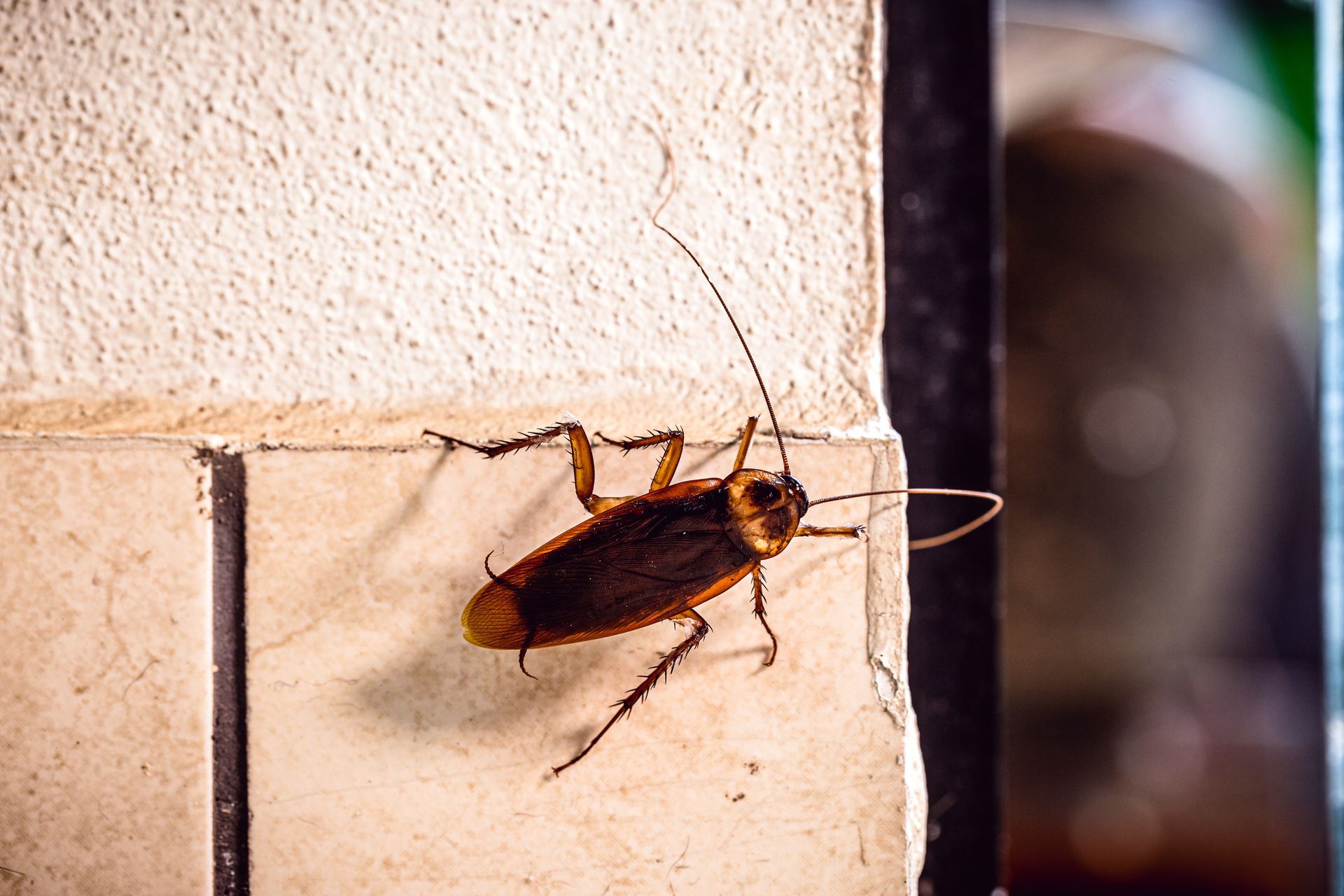
Discovering a cockroach scurrying across your kitchen floor at midnight can transform a peaceful evening into an immediate concern. These resilient insects seem to materialize from nowhere, leaving homeowners wondering about their mysterious origins and entry points. Understanding where cockroaches come from and how they infiltrate homes represents the crucial first step in preventing infestations and protecting your living space from these persistent pests.
Roaches infiltrate buildings pursuing their three essential requirements: nourishment, hydration, and refuge from predators. These adaptable insects exploit the smallest vulnerabilities in a building's defenses, from tiny cracks in foundations to gaps around plumbing fixtures. They may arrive as stowaways in grocery bags, emerge from sewer systems, or migrate from neighboring properties. The combination of their flattened bodies, remarkable flexibility, and survival instincts makes them exceptionally skilled at finding ways into human habitats.
The Science Behind Cockroach Invasions
Understanding the biological drivers behind cockroach behavior reveals why these insects persistently seek indoor environments.
- Temperature regulation plays a critical role in cockroach survival strategies. Unable to self-regulate their internal heat like mammals, roaches gravitate toward climate controlled structures that offer year round thermal stability. Cockroaches exhibit species specific temperature preferences, with development rates varying significantly based on ambient temperature as demonstrated in classical studies of cockroach physiology [1]. These temperature ranges are often aligned with climate controlled internal home temperatures.
- Research indicates that cockroaches possess sophisticated chemical communication systems, releasing aggregation pheromones that attract other roaches to suitable harborage sites [2]. These pheromones are composed of volatile fatty acids which create invisible chemical highways that guide cockroaches to established colonies.
- Cockroaches exhibit a phenomenon called thigmotaxis, meaning they prefer contact with surfaces on multiple sides of their bodies [3]. This behavioral trait explains their affinity for cracks, crevices, and tight spaces that provide the security they instinctively seek and the subsequent access into our homes where they can proliferate.
How Do Cockroaches Get Inside Your Home?
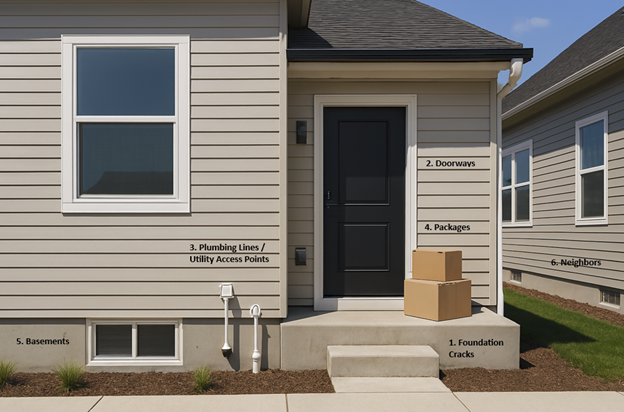
Cracks
The structural vulnerabilities of buildings provide numerous entry opportunities for cockroaches. Remarkably flexible exoskeletons allow diminutive German roaches to navigate crevices barely 1/16 inch wide, whereas their bulkier American cousins maneuver through quarter inch openings. Common crack locations include:
- Foundation cracks where walls meet floors
- Gaps around window and door frames
- Spaces where utility lines enter buildings
- Foundation fractures and subterranean wall fissures
- Separations in vinyl siding or stucco exteriors
Doorways
Door thresholds represent one of the most overlooked entry points for cockroaches. The standard gap beneath an exterior door measures approximately 1/4 to 3/8 of an inch, providing ample space for cockroach entry. Weather stripping deterioration, improper door installation, and settling foundations can increase these gaps over time. Garage doors, with their flexible seals also create particularly vulnerable entry points.
Plumbing Lines
Plumbing systems serve as superhighways for cockroach movement between units in multi-family housing and from exterior sewer systems into homes. The moisture, warmth, and protected pathways associated with pipes create ideal conditions for cockroach travel. Key vulnerability points include:
- Gaps where pipes penetrate walls, floors, and ceilings
- Damaged pipe collars and escutcheon plates
- Floor drains, especially those with damaged or missing covers
- Condensation lines from HVAC systems
- Washing machine and dishwasher connections
American cockroaches, often called "water bugs," demonstrate particular expertise in navigating plumbing systems because they are capable of swimming through water traps and climbing vertical pipes using specialized tarsal structures [4].
Packages and Baggage
The modern commerce system inadvertently facilitates cockroach dispersal through shipped goods and packaging materials. German cockroaches, the most common indoor species, excel at hitchhiking in:
- Corrugated cardboard boxes and their crevices
- Grocery bags, particularly from stores with existing infestations
- Used appliances and electronics
- Furniture, especially items with hollow spaces
- Luggage and personal belongings from infested locations
Basements
Basement environments provide optimal conditions for cockroach establishment due to typically higher humidity levels, reduced human activity, and numerous entry points. Moisture from foundation walls, floor drains, and sump pumps creates the humid microclimate cockroaches require for survival. Common basement entry routes include:
- Cracks in foundation walls below grade
- Utility penetrations for electrical, gas, and water services
- Ground level window cavities lacking proper barriers
- Gaps around basement door frames
- French drains and weeping tile systems
Neighbors
In multi-unit housing, cockroach infestations rarely remain confined to a single unit. Multi-unit dwellings create highways for roach migration via:
- Shared wall voids and utility chases
- Common plumbing and electrical runs
- HVAC systems and ductwork
- Gaps beneath hallway doors
- Laundry rooms and other shared spaces
What Attracts Cockroaches?
Cockroaches' attraction to human habitats stems from their basic survival requirements and opportunistic feeding behaviors. Understanding these attractants helps explain why certain homes experience more severe infestations than others.
Moisture represents the most critical cockroach attractant. Cockroaches can survive approximately one month without food but are much more vulnerable to dehydration, with survival time without water varying by species and environmental conditions but typically being significantly shorter than their survival time without food [5]. Sources of moisture that attract cockroaches include:
- Leaking pipes and faucets
- Condensation on pipes and windows
- Pet water bowls
- Standing water in sinks and shower areas
- High humidity in bathrooms and kitchens
- Overwatered houseplants and their saucers
Food Sources encompass a surprisingly broad range of materials. Cockroaches are omnivorous scavengers capable of digesting cellulose, proteins, and even non-traditional food items. Their dietary flexibility includes:
- Traditional human food and crumbs
- Pet food and spilled kibble
- Grease residues and cooking oils
- Paper products and book bindings
- Soap residues and toothpaste
- Hair, dead skin cells, and fingernail clippings
- Glue from stamps and envelopes
Warmth and Environmental Conditions significantly influence cockroach activity and reproduction rates. Temperature significantly affects cockroach metabolic processes and reproduction rates. Within their preferred temperature range, metabolic rates increase with temperature following Q10 coefficients typically between 1.1 and 2.0, though reproduction rates are temperature dependent and accelerate in warmer conditions [6]. This temperature dependence explains seasonal patterns in infestation reports and the concentration of cockroaches near heat producing appliances.
Seasonal Patterns of Cockroach Activity
Seasonal roach behavior shifts predictably with environmental changes in warmth, moisture, and food accessibility. Understanding these patterns helps homeowners anticipate and prevent infestations.
Spring Emergence: Once ambient temperatures exceed 50 degrees Fahrenheit, dormant populations mobilize for sustenance and mating opportunities. This period often sees increased sightings as cockroaches explore new territories.
Summer Peak: The combination of warmth and humidity creates ideal conditions for rapid reproduction. Female German roaches possess remarkable reproductive potential, generating approximately 250 progeny throughout their existence when conditions favor survival [7].
Fall Migration: Dropping temperatures drive outdoor populations to seek shelter indoors. American and Oriental cockroaches, which can survive outdoors during summer, actively infiltrate buildings during this period.
Winter Survival: While cold temperatures slow cockroach activity, indoor heating systems maintain suitable conditions for continued reproduction. Infestations often go unnoticed during winter months as cockroaches remain hidden in warm harborage sites.
Where Do Certain Cockroach Species Prefer to Hide?
Each roach variety displays unique environmental preferences shaped by millions of years of adaptation. Proper identification enables targeted control strategies.
German Cockroaches (Blattella germanica) dominate indoor environments, particularly in food service areas and multi-family housing. Distinguished by twin chocolate bands adorning their head shield, these distinctive invaders favor:
- Kitchen cabinets near sinks
- Behind and under refrigerators
- Inside electronic devices and appliances
- Bathroom vanities and medicine cabinets
- Any location combining warmth, moisture, and food access
American Cockroaches (Periplaneta americana), despite their name, originated in Africa and represent the largest common pest species. These reddish brown insects measuring up to 2 inches prefer:
- Basements and crawl spaces
- Sewer systems and storm drains
- Commercial kitchens and food storage areas
- Boiler rooms and mechanical spaces
- Areas with temperatures above 70°F and high humidity
Oriental Cockroaches (Blatta orientalis), nicknamed "water bugs," withstand chillier environments than their warm loving relatives. Their preferences include:
- Damp basements and cellars
- Drains and sump pumps
- Leaf litter and mulch near foundations
- Garbage areas and compost bins
- Any location with decaying organic matter
Brown Banded Cockroaches (Supella longipalpa) differ from other species by preferring drier conditions and higher locations. They typically inhabit:
- Upper cabinets and closet shelves
- Behind picture frames and wall decorations
- Inside furniture and electronics
- Ceiling areas and crown molding
- Locations with temperatures above 80°F
Where Do Cockroaches Hide Inside Your Home?
Indoor cockroach harborages follow predictable patterns based on species preferences and resource availability. A systematic understanding of these hiding spots enables effective inspection and treatment.
Kitchen areas are one of the primary harborage sites for indoor cockroach populations, particularly German cockroaches, due to abundant food, water sources, and warm conditions. [8]. Critical inspection points include:
- Motor compartments of refrigerators and freezers
- Gaps between counters and appliances
- Inside cabinet hinges and drawer slides
- Behind backsplashes and under sink basins
- Dishwasher door seals and control panels
- Microwave vents and clock displays
Bathroom Environments provide essential moisture for cockroach survival. Common harborages encompass:
- Vanity cabinet interiors and plumbing penetrations
- Behind toilets and wax ring seals
- Medicine cabinet backs and mirror frames
- Shower and tub enclosure gaps
- Exhaust fan housings and ductwork
Living Spaces and Bedrooms while less attractive than kitchens and bathrooms, still provide numerous hiding opportunities:
- Electronics with warm internal components
- Closet clutter and stored boxes
- Behind baseboards and quarter round molding
- Inside upholstered furniture frames
- Wall voids accessed through electrical outlets
- HVAC registers and return air grilles
Utility Areas and Mechanical Spaces offer ideal conditions for larger cockroach species:
- Water heater closets and stands
- Furnace rooms and boiler areas
- Electrical panels and conduit runs
- Washer/dryer connections and lint accumulations
- Sump pump pits and floor drains
Where Do Cockroaches Hide Outside Your Home?
Exterior cockroach populations serve as reservoir sources for indoor infestations. Understanding outdoor harborages helps implement perimeter defense strategies.
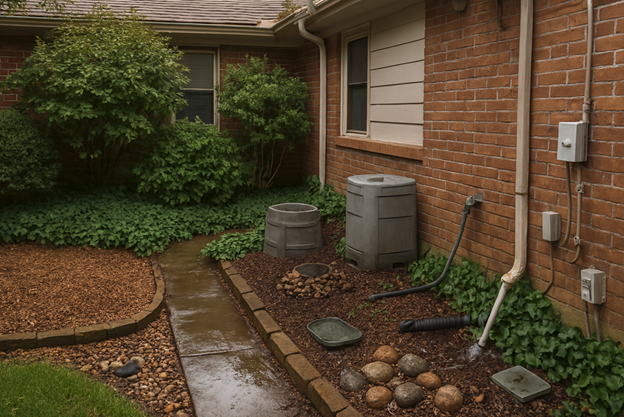
Landscaping Features that inadvertently support cockroach populations include:
Mulch beds exceeding 2 inches in depth
Dense ground cover plants like ivy and pachysandra
Compost bins and organic debris piles
Landscape timbers and decorative rocks
Irrigation valve boxes and meter pits
Structural Elements providing exterior harborage encompass:
- Foundation plantings touching building walls
- Gaps in exterior siding and trim
- Soffit and fascia board separations
- Weep holes in brick veneer
- Exterior electrical and plumbing fixtures
Drainage Systems and Moisture Sources create particularly attractive conditions:
- Clogged gutters and downspouts
- Air conditioning condensate lines
- Leaking hose bibs and irrigation systems
- French drains and dry wells
- Areas with poor grading and standing water
Signs You Might Have a Cockroach Infestation
Early detection of cockroach infestations enables more effective control and prevents population explosions. Multiple indicators signal established infestations:
- Visual Sightings of live or dead cockroaches, particularly during daylight hours, suggest significant populations. Daytime activity indicates overcrowding in harborage sites which forces subordinate individuals into exposed areas.
- Fecal Evidence appears as dark specks or smears depending on species and diet. German cockroach droppings resemble ground pepper, while American cockroach feces are larger, ridged pellets. Fecal accumulations contain aggregation pheromones that attract additional cockroaches.
- Oothecae (Egg Cases) indicate active reproduction. Species specific characteristics include:
o German: Light brown, 1/4 inch long, carried until hatching
o American: Dark brown, 3/8 inch long, glued in hidden locations
o Oriental: Mahogany pellets measuring half an inch, scattered haphazardly
o Brown banded: Light brown, 1/4 inch long, glued to surfaces
- Odor Detection becomes noticeable with larger infestations. Colonies emit a distinctive musty aroma from communication chemicals, waste products, and decomposing carcasses. This oily, musty odor intensifies with population density and can permeate porous materials.
- Shed Skins and Body Parts accumulate as nymphs molt through five to seven instars before reaching adulthood. These cast skins retain the shape of the cockroach and often collect near harborage sites.
- Property Damage manifests as:
o Gnaw patterns on cardboard containers and paper products
o Staining from feces and regurgitation
o Damage to fabrics and paper products
o Contamination of stored items
o Allergen accumulation in dust
Health Risks and Why Immediate Action Matters
Cockroach infestations pose significant public health risks beyond mere nuisance concerns. The medical implications of cockroach presence demand prompt intervention.
Disease Transmission Potential: Cockroaches vector over 30 bacterial species, including Salmonella spp., E. coli, and Staphylococcus spp [9]. Their habit of traveling between sewers, garbage, and food preparation areas facilitates pathogen transfer. Studies have isolated antibiotic resistant bacteria from cockroach surfaces, raising concerns about their role in spreading antimicrobial resistance.
Allergen Production: Cockroach allergens, primarily from feces, saliva, and shed skins, trigger allergic reactions and asthma in sensitive individuals. Research indicates Bla g 1 and Bla g 2 proteins trigger allergic responses in 60-80% of urban youth diagnosed with respiratory conditions [10]. Children exposed to cockroach allergens show increased asthma severity and hospitalization rates.
Food Safety Concerns: Cockroaches contaminate food through:
- Direct contact while foraging
- Defecation on food and preparation surfaces
- Regurgitation of partially digested material
- Transfer of spoilage microorganisms
- Introduction of parasitic organisms like Entamoeba and Giardia
Psychological Impact: Chronic cockroach infestations correlate with increased stress, sleep disturbances, and anxiety. The stigma associated with infestations can affect social relationships and property values.
Rapid Population Growth: Delaying treatment allows exponential population increases. A single German cockroach female can theoretically produce over 10,000 descendants in one year under optimal conditions [11]. Early intervention prevents this population explosion and reduces treatment complexity and costs.
How to Check for Cockroaches
Systematic inspection techniques maximize detection probability and inform treatment strategies. Professional grade inspection protocols include:
Equipment Assembly:
- High intensity flashlight or headlamp
- Inspection mirror for viewing hidden areas
- Flushing agent (aerosol pyrethrin)
- Collection containers for specimens
- Monitoring devices (sticky traps)
- Screwdriver for removing cover plates
Inspection Sequence:
- Begin with areas of highest probability (kitchens and bathrooms)
- Work systematically through each room
- Focus on warm, moist locations with food access
- Use flushing agents to drive cockroaches from deep harborages
- Create photographic and written records of evidence
- Place monitoring traps in strategic locations
Critical Inspection Points:
- Pull out major appliances to inspect motor compartments
- Remove drawers to examine cabinet interiors
- Check behind picture frames and wall mounted items
- Inspect electronic devices for signs of infestation
- Examine pipe chases and utility penetrations
- Use mirrors to view under and behind fixtures
Nighttime Surveys reveal active infestations more effectively than daytime inspections. Enter darkened rooms quickly with a flashlight to observe cockroaches before they flee to harborages.
How to Prevent Cockroaches
Integrated Pest Management (IPM) principles emphasize prevention as the primary defense against cockroach infestations. Effective prevention combines exclusion, sanitation, and environmental modification.
Exclusion Techniques:
- Seal cracks and crevices with appropriate materials:
o Copper mesh for larger gaps
o Silicone caulk for smaller cracks
o Expandable foam for irregular voids
o Door sweeps and weather stripping
- Attach metal mesh barriers to airflow openings
- Replace worn plumbing seals and cover plates
- Maintain positive air pressure in buildings when possible
Sanitation Protocols:
- Implement daily cleaning routines for food preparation areas
- Transfer edibles to airtight vessels (preferably tempered glass or rigid plastic)
- Empty garbage receptacles nightly and use tight fitting lids
- Clean appliances regularly, including motor compartments
- Remove corrugated cardboard and unnecessary clutter
- Vacuum cracks and crevices to remove food particles and allergens
Environmental Modifications:
- Address plumbing failures within two days maximum
- Reduce indoor humidity below 50% using dehumidifiers
- Eliminate standing water sources
- Increase ventilation in moisture prone areas
- Eliminate or reorganize clutter serving as hiding spots
- Keep stored materials at least a foot and a half from vertical surfaces
Monitoring and Early Detection:
- Deploy sticky traps in vulnerable areas
- Conduct monthly inspections of high risk locations
- Document any sightings or evidence
- Respond immediately to initial detections
- Maintain records of prevention activities
How to Get Rid of Cockroaches
While prevention remains paramount, established infestations require active intervention combining multiple control tactics.
Initial Response Actions:
- Conduct thorough inspection to determine species and infestation extent
- Implement immediate sanitation improvements
- Establish surveillance systems for population assessment
- Begin exclusion work to prevent additional invasions
- Remove clutter and reorganize storage areas
Non Chemical Control Methods:
- Vacuuming with HEPA filtration removes cockroaches, eggs, and allergens
- Superheated vapor eliminates every developmental phase instantly
- Diatomaceous earth provides mechanical control in dry locations
- Adhesive traps capture specimens while tracking intervention success
- Physical removal of harborage materials
Chemical Control Options:
- Gel baits containing fipronil, indoxacarb, or hydramethylnon
- Boric acid dust applied to concealed spaces
- Insect Growth Regulators (IGRs) that sabotage reproductive cycles
- Targeted applications of long lasting formulations
- Void treatments for severe infestations
Treatment Considerations:
- Adhere strictly to manufacturer guidelines
- Rotate active ingredients to prevent resistance
- Combine multiple control tactics for best results
- Exercise patience during the treatment period (typically 14-28 days)
- Re-inspect and retreat as necessary
Contact EcoForce Pest Control if You Are Dealing with Cockroaches
Protect your household from these unwelcome invaders. EcoForce Pest Control's certified technicians possess the expertise, tools, and proven strategies to eliminate cockroach infestations at their source. Our comprehensive approach addresses not just visible cockroaches but the entire population, including hidden harborages and breeding sites that DIY methods often miss. Contact EcoForce today for a professional consultation and take the first step toward a cockroach free environment. Our expert team will assess your specific situation, explain all treatment options, and develop a customized plan that fits your needs and budget.
Cockroach Habitat FAQs
What attracts cockroaches to your home?
Roaches seek environments offering dampness, edibles, and comfortable temperatures. Even the cleanest homes can attract cockroaches if they provide access to water from leaky pipes, condensation, or pet bowls. Food attractions extend beyond obvious sources to include grease residues, soap scum, and even glue from book bindings. The stable temperatures maintained in human dwellings, typically between 68-75°F, create ideal conditions for cockroach survival and reproduction year round.
Why should you never squish a cockroach?
Crushing cockroaches can spread bacteria, viruses, and parasites present on their bodies across surfaces. Crushing gravid females risks scattering hardy egg capsules, potentially expanding contaminated zones. Dead cockroaches also release oleic acid, which attracts other cockroaches to the area. Instead, use a vacuum with HEPA filtration to remove cockroaches, then dispose of the bag or contents in a sealed container outside your home.
Why do roaches come in my clean house?
Cleanliness alone doesn't prevent cockroach invasions. These adaptable insects can survive on minimal resources and may enter clean homes seeking shelter, moisture, or warmth. Factors attracting cockroaches to clean homes include hidden water leaks, high humidity, warmth from appliances, entry through shared walls in multi-unit buildings, or hitchhiking in packages and groceries. Even microscopic food particles and condensation can sustain cockroach populations.
Should I be worried if I saw one cockroach?
A single cockroach sighting warrants investigation but not panic. Evaluate whether it's an isolated incident (outdoor species entering accidentally) or evidence of an infestation. Warning signs include: seeing cockroaches during daylight, finding multiple life stages, discovering feces or egg cases, or detecting musty odors. Deploy monitoring traps and conduct a thorough inspection within 24-48 hours. German cockroaches, in particular, rarely travel alone and often indicate established populations nearby.
Where do cockroaches hide during the day?
Cockroaches are primarily nocturnal and seek dark, protected harborages during daylight hours. Common daytime hiding spots include behind refrigerators and stoves, inside cabinet hinges and drawer slides, within wall voids accessed through switch plates, under sinks near pipe penetrations, inside corrugated cardboard, behind picture frames and wall clocks, and within electronic devices. They prefer locations that provide darkness, moisture access, protection from disturbance, and proximity to food sources.
Can cockroaches come up through shower drains?
Yes, cockroaches can enter homes through shower drains, particularly American cockroaches that inhabit sewer systems. With aquatic abilities including 40-minute breath holding and vertical climbing skills, roaches exploit dried P traps, compromised floor drains, and contaminated municipal sewers. Installing drain covers, maintaining water in P traps, and regular drain cleaning help prevent this entry route.
Start Being Pest Free Today!
Contact Us