How to Get Rid of Spiders
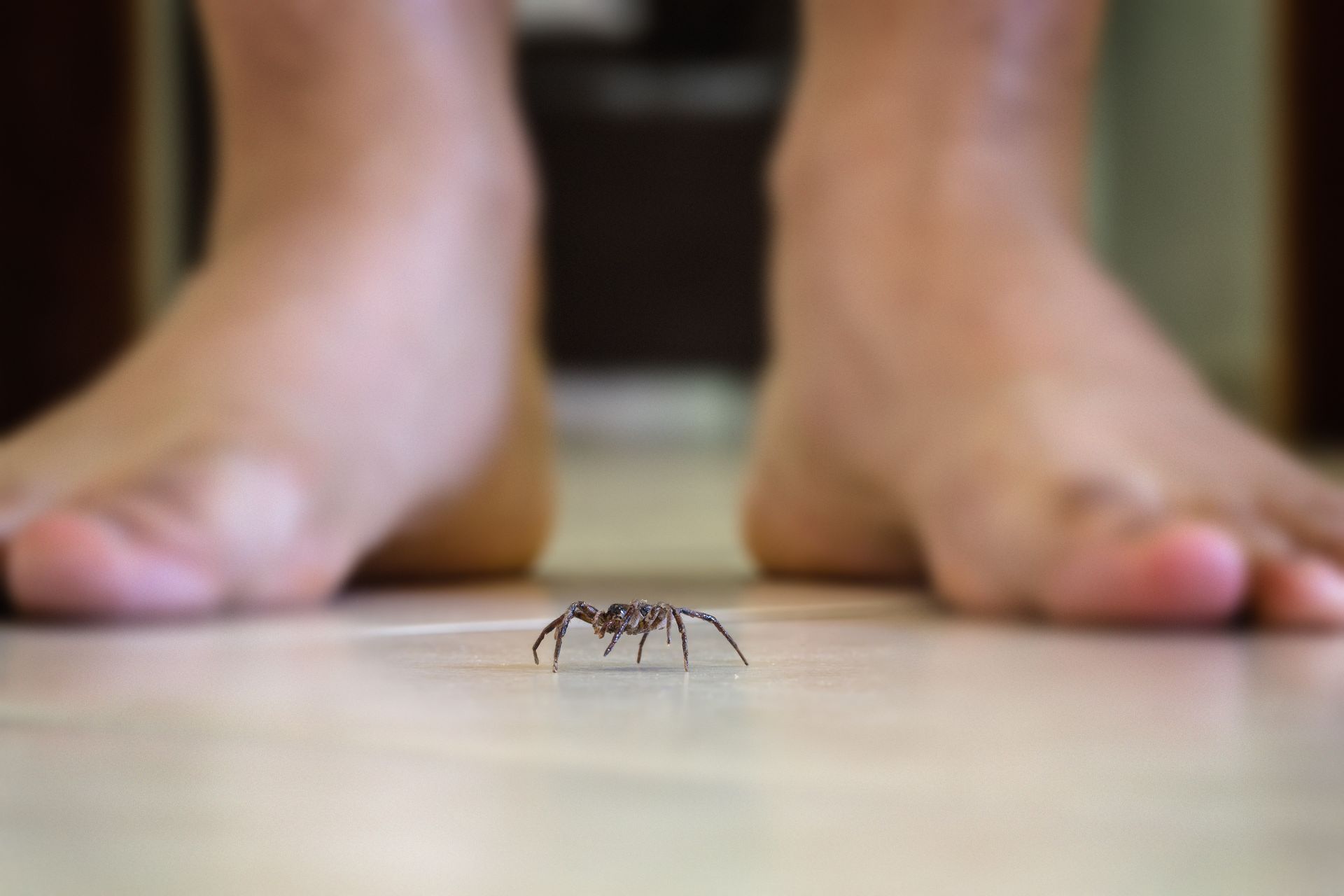
Discovering spiders in your home can be unsettling, but understanding effective removal and prevention strategies can help you regain control of your living space. While most spiders are harmless and even beneficial predators that control other pest populations, their presence indoors often creates discomfort for homeowners. This comprehensive guide explores proven methods to eliminate existing spider populations and prevent future infestations using both natural and conventional approaches.
Understanding Why Spiders Enter Your Home
Common Attractants
Spiders venture indoors primarily seeking two essential resources: food and shelter. Unlike many pests that directly consume human food, spiders are carnivorous arachnids that hunt other insects and arthropods. When your home harbors populations of flies, gnats, mosquitoes, or other small insects, it inadvertently creates an attractive hunting ground for spiders. Additionally, spiders are drawn to environments that offer adequate moisture levels, as dehydration poses a significant threat to their survival.
The structural characteristics of modern homes often provide ideal microhabitats for various spider species. Undisturbed areas such as storage rooms, basements, attics, and spaces behind furniture offer the quiet, secluded conditions that many spiders prefer for web construction and prey capture. Accumulated dust, debris, and clutter create additional hiding spots while potentially harboring the small insects that serve as spider prey.
Entry Points
Understanding how spiders gain access to indoor environments is crucial for developing effective exclusion strategies. Spiders possess an extraordinary ability to navigate through minuscule gaps and cracks that homeowners often overlook as potential entry points. Spiders can squeeze through gaps as small as a few millimeters in width. Common entry points include gaps around window frames, door thresholds, utility penetrations, and foundation cracks.
Weather stripping deterioration around doors and windows creates particularly vulnerable access points. Similarly, areas where plumbing, electrical conduits, or HVAC systems penetrate exterior walls often develop small gaps over time due to settling or thermal expansion. Even properly installed features like weep holes in brick veneer construction can serve as spider highways if not adequately protected with appropriate screening materials.
Seasonal Patterns
Spider activity and indoor intrusion patterns often correlate with seasonal environmental changes and life cycle events. During autumn months, many spider species seek protected overwintering sites, leading to increased indoor encounters. This seasonal migration is particularly pronounced among species that cannot survive freezing temperatures outdoors. Scientific studies demonstrate that autumn triggers heightened spider activity as these eight legged creatures mature and begin their quest for warm indoor refuges, making encounters with homeowners far more frequent during their seasonal migration patterns.
Spring emergence periods can also trigger increased spider activity as overwintering adults become active and begin reproductive behaviors. During these transitional seasons, implementing proactive prevention measures becomes especially important for maintaining spider free indoor environments.
How To Get Rid of Spiders Naturally
Peppermint Oil: The natural compounds found in peppermint oil, particularly menthol and various monoterpenes, disrupt the delicate sensory mechanisms that spiders rely on for navigation and detection. Studies demonstrated that peppermint oil applications repelled female spiders in choice tests, with two spider species avoiding peppermint oil treated areas in more than 75% of trials compared to control zones [1]. To create an effective peppermint oil spray, combine 10-15 drops of pure peppermint essential oil with one cup of water and a small amount of dish soap to aid in mixing. Apply this solution around windowsills, door frames, and other potential entry points.
Diatomaceous Earth: Food grade diatomaceous earth represents a mechanical rather than chemical approach to spider control. This substance consists of fossilized algae remains that create microscopic sharp edges capable of damaging spider exoskeletons. When spiders traverse areas treated with diatomaceous earth, the abrasive particles can cause dehydration through cuticle damage. Apply thin layers of food grade diatomaceous earth along baseboards, in corners, and around potential entry points, ensuring the product remains dry for maximum effectiveness.
Physical Removal Methods
Safe Spider Removal Techniques
When encountering individual spiders, several safe removal techniques can effectively relocate these arachnids without causing harm to either the spider or the person performing the removal. Understanding proper removal protocols becomes especially important when dealing with unidentified species that might pose health risks.
- Vacuum Method: Vacuum removal represents one of the most effective and safe techniques for eliminating both spiders and their cobwebs. The suction process is typically fatal to spiders due to the trauma experienced during transit through the vacuum system. When using vacuum removal, pay particular attention to areas where webs are visible, as these locations likely harbor additional spiders and egg sacs. Immediately dispose of vacuum contents in sealed bags to prevent any surviving spiders from re-entering the home environment.
- Spider Traps and Glue Boards: Commercial spider traps utilize adhesive surfaces to capture wandering spiders without requiring direct human contact. These devices prove particularly effective for monitoring spider populations and identifying high activity areas within the home. Position traps along baseboards, in corners, and near potential entry points for optimal capture rates. Sticky traps also serve as valuable diagnostic tools, as captured specimens can help identify species present in the home and guide targeted control strategies.
- Web Removal Strategies: Systematic web removal eliminates existing spider habitats while disrupting reproduction and prey capture capabilities. Spider webs serve multiple purposes beyond prey capture, including pheromone communication and egg protection which make their removal a critical component of comprehensive spider management. Regular web removal should focus on both visible and hidden locations. Use long handled brushes or vacuum attachments to reach elevated corners and crevices where webs commonly develop. Pay particular attention to areas around light fixtures, as these locations often attract flying insects that subsequently draw web building spiders.
Prevention: Spider Proofing Your Home
Seal Entry Points
Effective spider exclusion requires systematic identification and sealing of potential access routes. This process involves careful inspection of the building envelope to locate gaps, cracks, and openings that could facilitate spider entry.
- Cracks and Crevices: Foundation inspection should focus on identifying cracks in concrete or masonry that exceed 1/8 inch in width. Use appropriate caulking compounds or hydraulic cement to seal identified openings, ensuring complete coverage to prevent bypass routes. Wall penetrations around utility lines, pipes, and conduits require careful attention, as these areas often develop gaps due to thermal cycling or structural settling. Expandable foam sealers can effectively fill larger voids, while silicone caulks work well for smaller gaps and joints.
- Windows and Doors: Weather stripping inspection and replacement represents a critical component of spider exclusion programs. Damaged or deteriorated weather stripping around doors and windows creates entry opportunities for various pest species, including spiders. Install or repair door sweeps to eliminate gaps beneath exterior doors to ensure proper contact with threshold surfaces. Window screens require regular inspection for tears, holes, or gaps around frames.
- Plumbing and Vents: Plumbing penetrations through exterior walls often develop gaps around pipe installations that provide spider access routes. Inspect areas where water lines, gas lines, and drainage pipes enter the structure, sealing any identified openings with appropriate materials. Dryer vents, bathroom exhaust vents, and other mechanical system penetrations should include properly fitted screening to prevent arthropod intrusion while maintaining necessary airflow.
Environmental Modifications
Addressing environmental factors that attract spiders and their prey insects forms a crucial component of comprehensive spider management programs.
- Reducing Clutter: Clutter reduction eliminates potential spider harborage sites while improving overall home hygiene. Storage areas, basements, attics, and garages commonly accumulate items that create undisturbed microhabitats suitable for spider colonization. Regular organization and cleaning of these spaces disrupts spider establishment and makes detection of any remaining populations easier. Focus particular attention on cardboard storage boxes, fabric items, and unused equipment that can provide extended hiding opportunities. Replace cardboard storage containers with sealed plastic alternatives when possible, as these offer fewer harborage opportunities and better protection for stored items.
- Outdoor Lighting Management: Exterior lighting modifications can significantly reduce spider prey populations, subsequently making indoor environments less attractive to hunting spiders. Traditional incandescent and halogen lights attract numerous flying insects that serve as spider food sources. Research demonstrated that replacing white outdoor lights with yellow sodium vapor or LED alternatives reduced insect attraction [2]. Position necessary outdoor lighting away from entry points when possible and consider motion activated systems that limit illumination periods. This approach maintains security and convenience while reducing the duration of insect attraction periods.
- Landscaping Considerations: Vegetation management around the home's perimeter influences spider populations by affecting both harborage availability and prey insect populations. Maintain clear zones between plantings and the structure's foundation to reduce spider migration routes. Trim shrubs and bushes to prevent direct contact with exterior walls, and remove leaf litter, mulch, and debris from foundation areas. This spacing also improves building maintenance access and reduces moisture retention against foundation materials.
Chemical Solutions for Severe Infestations
Spider Sprays
When natural methods prove insufficient for controlling established spider populations, chemical interventions may become necessary. Modern spider control products utilize various active ingredients designed to provide rapid knockdown and residual protection against re-infestation.
Pyrethroid based insecticides represent the most commonly used chemical class for spider control applications. These synthetic compounds mimic natural pyrethrin extracted from chrysanthemum flowers, affecting spider nervous systems to cause paralysis and death. Products containing bifenthrin, cypermethrin, or lambda cyhalothrin provide extended residual activity when applied to surfaces where spiders commonly travel.
Insecticide Options
Professional grade insecticide formulations often contain multiple active ingredients designed to address various spider species and life stages. Microencapsulated formulations provide extended release characteristics, maintaining effectiveness for several weeks after application. These products work particularly well for perimeter treatments around foundations, window frames, and door thresholds.
Contact sprays containing natural pyrethrin provide rapid knockdown effects but limited residual activity. These products work well for immediate spider elimination but require combination with longer lasting formulations for comprehensive control programs.
Safety Precautions
Chemical spider control products require careful handling and application to ensure human and pet safety. Always read and follow label instructions completely, paying particular attention to application rates, target surfaces, and re-entry intervals. Ensure adequate ventilation during application and avoid treating surfaces that come into direct contact with food or food preparation areas.
Store chemical products in original containers away from children and pets and dispose of empty containers according to local regulations.
Room by Room Spider Control
Different areas of the home present unique spider control challenges that require targeted approaches based on specific environmental conditions and usage patterns.
- Kitchen and Bathroom: Kitchens and bathrooms present unique spider control challenges due to increased moisture levels and potential food sources. These environments often harbor drain flies, fruit flies, and other small insects that attract hunting spiders. Focus control efforts on eliminating moisture sources, sealing plumbing penetrations, and maintaining rigorous cleanliness standards. Maintain proper ventilation through functional exhaust fans while swiftly resolving any moisture issues from faulty plumbing to create an inhospitable environment for spiders. Clean drains regularly to prevent organic matter accumulation that supports fly breeding. Seal gaps around plumbing fixtures and install screens over floor drains where appropriate.
- Basement and Attic: Basements and attics commonly provide ideal spider habitats due to limited human activity, stable temperatures, and abundant harborage sites. These areas require systematic inspection and treatment to prevent spider establishment and reproduction. Address moisture issues in basements through proper drainage, ventilation, and dehumidification. Seal foundation cracks and install window well covers to reduce entry opportunities. In attics, ensure proper ventilation and seal gaps around roof penetrations, vents, and access hatches.
- Bedroom and Living Areas: Bedrooms and living areas require careful spider management due to direct human occupancy and potential health concerns. Focus on eliminating harborage sites under furniture, in closets, and around sleeping areas. Consistent cleaning of tight spaces around baseboards, furniture edges, and corner areas eliminates both spider populations and the insects they depend on for survival. Maintain clutter free environments and inspect bedding regularly for signs of spider activity. Use protective covers on stored clothing and bedding.
- Garage and Storage Areas: Garages and storage areas often accumulate equipment, seasonal items, and materials that create extensive spider harborage opportunities. These spaces require regular organization and cleaning to prevent spider establishment. Keep belongings in tightly closed storage bins positioned above ground level whenever practical to deny spiders potential hiding spots. Maintain clear pathways and work areas and inspect stored items periodically for signs of spider activity.
Identifying Dangerous Spiders
Black Widow Spiders
Among all spider species inhabiting the United States, black widows stand out as particularly concerning from a medical perspective due to their potent venom. Adult females display characteristic shiny black coloration with distinctive red hourglass markings on the ventral abdomen surface. Black widow venom contains alpha latrotoxin, a neurotoxin that can cause serious medical complications requiring immediate professional treatment [3].
Black widow spiders prefer undisturbed locations such as woodpiles, storage areas, and outdoor structures. Their webs appear irregular and somewhat chaotic compared to the organized patterns of many other web building species. If black widow spiders are suspected or confirmed in your home, contact professional pest control services immediately for safe identification and removal.
Brown Recluse Spiders
Brown recluse spiders pose significant health risks due to their cytotoxic venom, which can cause severe tissue necrosis in bite victims. These spiders display uniform brown coloration with a distinctive violin shaped marking on the cephalothorax region. When brown recluse envenomation occurs, victims may develop serious tissue damage that necessitates surgical repair in the most severe instances.
These venomous arachnids gravitate toward quiet, shadowy locations including storage areas, wardrobe spaces, and the concealed zones behind household furnishings. Unlike many spider species, brown recluses are active hunters that do not construct webs for prey capture. Professional identification and treatment become essential when brown recluse presence is suspected, as these spiders pose genuine health risks to home occupants.
Long Term Spider Management
Regular Maintenance Schedule
Effective long term spider control requires systematic maintenance protocols that address both prevention and early detection. Develop monthly inspection routines that focus on potential entry points, harborage areas, and environmental conditions that support spider populations.
Monthly tasks should include web removal, vacuum cleaning of undisturbed areas, and inspection of weather stripping and caulking. Quarterly activities might involve more comprehensive foundation inspections, attic and basement evaluations, and assessment of outdoor lighting and landscaping factors that influence spider populations.
Monitoring and Early Detection
Implement monitoring systems that facilitate early detection of spider activity before populations become established. Sticky trap placement in strategic locations provides ongoing surveillance capabilities while capturing wandering individuals before reproduction occurs.
Document trap captures and web locations to identify patterns and high risk areas requiring enhanced prevention efforts. This data driven approach enables targeted interventions that maximize effectiveness while minimizing treatment costs and environmental impacts.
Integrated Pest Management Approach
Integrated Pest Management (IPM) principles provide comprehensive frameworks for sustainable spider control that balance effectiveness, safety, and environmental stewardship. IPM programs emphasize prevention through habitat modification, exclusion techniques, and biological controls before resorting to chemical interventions.
This strategy acknowledges the valuable ecological services spiders provide by controlling other unwanted insects while still managing reasonable worries about indoor infestations. By combining multiple control strategies and emphasizing long term prevention, IPM programs achieve superior results compared to single tactic approaches while reducing reliance on chemical treatments.
Signs of Severe Infestation
Several indicators suggest that professional intervention may be necessary for effective spider control. Multiple daily spider sightings, numerous egg sacs, extensive webbing throughout the home, or the presence of medically significant species all warrant professional assessment and treatment.
Large spider populations often indicate underlying issues such as abundant prey insects, structural vulnerabilities, or environmental conditions that require professional expertise to address effectively. Professional pest control technicians possess specialized equipment, training, and products that may not be available to homeowners.
Professional Treatment Benefits
Professional spider control services offer several advantages over do it yourself approaches. Licensed pest control specialists possess the expertise to properly distinguish between spider varieties, evaluate the scope of infestations, and create tailored management plans suited to individual circumstances and hazard levels.
Expert pest management companies offer advanced tools and commercial grade solutions that achieve more effective outcomes than typical homeowner products. Additionally, professional treatments often include ongoing monitoring and maintenance programs that ensure long term control effectiveness.
Contact EcoForce Pest Control if You Are Dealing with Spiders
Don't let spider infestations compromise your family's comfort and peace of mind. EcoForce Pest Control's certified technicians bring years of experience and specialized knowledge to every spider control challenge. Our comprehensive approach addresses both immediate elimination needs and long term prevention strategies, ensuring your home remains spider free year round. EcoForce specialists employ cutting edge spider management techniques combined with eco conscious treatment approaches to provide dependable, long lasting solutions for your home. We understand that every home presents unique challenges, and our customized treatment plans reflect this reality. From initial inspection through ongoing maintenance, EcoForce Pest Control provides the expertise and reliability you need to maintain a comfortable, spider free living environment. Contact EcoForce Pest Control today to schedule your comprehensive spider inspection and take the first step toward reclaiming your home from unwanted arachnid invaders.
Spider Prevention and Control FAQs
Start Being Pest Free Today!
Contact Us