
The Earwig Bug Never Actually Crawls Into Ears
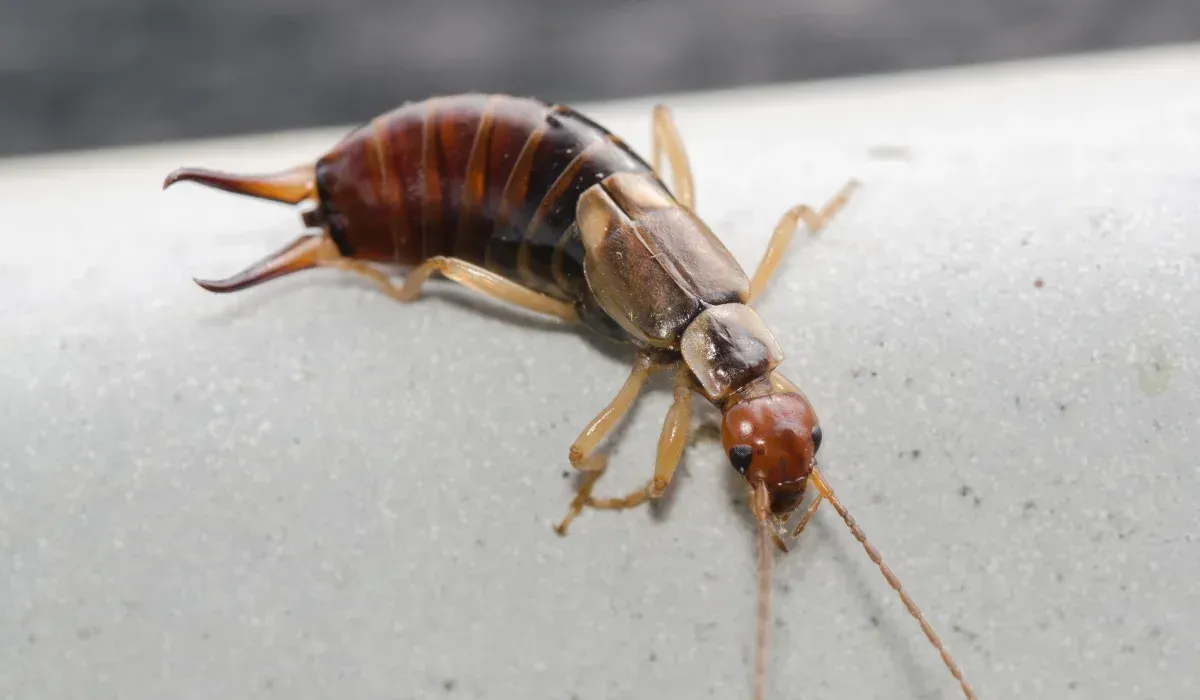
You lift a flowerpot beside the patio and spot several brown insects pressed into the damp soil below. Each one has a curved pair of pincers at the rear. Once you remember the name, the discovery feels more disturbing than it should.
The earwig bug does not search for human ears, lay eggs inside them, or burrow into the brain. Earwigs spend their time near soil, mulch, plants, and other damp hiding places. This guide explains where the myth came from, how to identify an earwig, what attracts earwigs around Central Texas homes, and how to deal with repeated indoor activity.
Does the Earwig Bug Crawl Into Human Ears?
Human ears are not part of an earwig’s natural habitat. These insects feed and shelter close to the ground, usually around plants, decaying material, and smaller organisms. They do not use people as hosts.
The myth persists because earwigs move at night and fit inside narrow spaces. Their flattened bodies help them slide beneath bark, boards, rocks, and landscape debris. That ability has nothing to do with an attraction to ear canals.
The University of Minnesota Extension guide explains that earwigs spend the day in dark, confined, damp areas and become active after sunset. The same guide classifies indoor earwigs as nuisance pests rather than insects that damage people or property.
| Common Claim | What the Evidence Supports |
|---|---|
| Earwigs deliberately enter human ears | Their normal behavior centers on damp outdoor shelter. |
| Earwigs lay eggs inside ears | Females place their eggs in protected nests in soil. |
| Earwigs tunnel toward the brain | They have no such feeding or nesting behavior. |
| Earwigs attack people at night | They normally hide or flee when disturbed. |
| Accidental entry is impossible | Any small wandering insect could enter an ear by accident, but this is not normal earwig behavior. |
People often wonder if earwig bugs crawl in your ear because the name makes the story sound plausible. The accurate answer is that earwigs do not seek ears. A rare accidental event does not turn an unusual location into normal habitat.
Anyone who has an insect lodged in an ear should leave removal to a healthcare professional. Cotton swabs, tweezers, and similar objects can push it deeper or injure the ear canal.
How the Earwig Bug Myth Started
The word “earwig” grew out of an old European belief that the insect crawled into the ears of sleeping people. As the story spread, it gained more dramatic details, including claims that earwigs reached the brain or laid eggs inside the head.
Earwig behavior tells a different story. Females build nests in the soil and remain with their eggs until they hatch. They also guard the young during their earliest stage. This unusual parental care has no connection to people or human ears.
Why the Story Seemed Plausible
An earwig has a long, flattened body that disappears easily beneath a board or inside a tight crack. Its rear pincers are also hard to ignore. When the insect raises them, it can look ready to sting.
Those earwig pincers help with defense, handling food, and interactions with other earwigs. They are not stingers, and they do not inject venom. Male pincers are often more curved, while female pincers tend to be straighter.
The strange name, nighttime activity, and intimidating appearance gave the myth enough detail to survive. The insect itself never supplied the evidence.
How to Identify an Earwig Bug
The easiest way to identify an earwig bug is to look at the rear of its body. The paired pincers at the end of the abdomen separate it from most other insects that appear around patios, foundations, and garden beds.
Adults are usually brown or reddish brown. They have an elongated body, six legs, visible antennae, and short wing covers that leave much of the abdomen exposed. Young earwigs resemble smaller, lighter adults.
The Utah State University earwig guide places typical adult length at about one-half to five-eighths of an inch. It also reports spring egg clutches of roughly 30 to 50 and at least two generations per year under favorable conditions.
| Feature | What You May Notice |
|---|---|
| Length | About 1/2 to 5/8 inch |
| Color | Brown or reddish brown |
| Body | Long and flattened |
| Antennae | Long and easy to see |
| Rear appendages | A distinct pair of forceps-shaped pincers |
| Young earwigs | Smaller and lighter than adults |
The nickname pincher bug comes from those rear appendages. Although an earwig may use them when trapped or handled, it normally tries to escape instead of confronting a person.
What Attracts Earwigs Around Texas Homes?
What attracts earwigs is usually moisture combined with shelter. Earwigs lose water quickly in exposed conditions, so they spend daylight hours beneath objects that provide shade and close contact.
A flowerpot resting on wet soil offers better shelter than an open lawn. Mulch is another common hiding place because it holds water near the surface, blocks sunlight, and creates narrow spaces where insects can remain until nightfall.
Common Earwig Hiding Places
Many Texas yards may need irrigation during dry stretches. The lawn may look dry from above while shaded mulch near a leaking fitting remains damp underneath. Earwigs respond to that difference.
Activity often concentrates in one part of the property. You may find several beneath pots on the shaded side of the house and none along a wall that receives direct afternoon sun. The insects follow usable shelter rather than spreading evenly across the yard.
| Property Condition | Why Earwigs Gather There |
|---|---|
| Thick mulch | It holds moisture and blocks direct sunlight. |
| Pots resting on soil | The covered surface stays cool and damp. |
| Wet leaf litter | Leaves provide shelter and decaying material. |
| Stacked firewood | Gaps between pieces create protected spaces. |
| Irrigation boxes | Leaks and condensation maintain moisture. |
| Boards or tarps | Flat materials trap humidity against the ground. |
Several earwigs beneath one object do not automatically mean you have an earwig infestation. It means that object provided suitable shelter. The situation becomes more concerning when activity spreads, plant damage increases, or earwigs begin entering the house repeatedly.
Are Earwigs Dangerous to People, Pets, or Plants?
Earwigs’ appearance suggests more risk than their normal behavior creates. Their pincers are defensive tools rather than weapons used to hunt people.
Indoors, their main impact is the discomfort of finding them in bathrooms, garages, kitchens, or other ground-level rooms. Repeated sightings can also signal excess moisture or an opening near the exterior.
Do Earwigs Bite?
People often describe a defensive pinch as a bite, but an earwig is more likely to use its rear pincers than its mouthparts. It does not sting, and it does not inject venom.
A large earwig may produce a noticeable pinch if you handle it or press it against your skin. That possibility does not make earwigs aggressive. Their first response is usually to run toward cover.
Earwigs Can Help in the Garden
Earwigs are scavengers and opportunistic feeders. They eat damaged plant material, fungi, dead insects, and small living prey. Some of that activity benefits a garden because they may consume aphids, insect eggs, and decaying debris.
This useful behavior usually happens after dark. You may find a pincher bug under a pot the next morning without seeing what it fed on hours earlier.
Earwigs Can Damage Plants
Large populations can also chew healthy plants. Seedlings, soft leaves, flowers, herbs, fruit, and corn silk may show irregular feeding holes. The damage can resemble slug feeding, although earwigs do not leave a slime trail.
Do not blame the first earwig found near a damaged plant. Check the foliage after dark with a flashlight. Slugs, caterpillars, and beetles may be feeding in the same area.
Control becomes more reasonable when nighttime inspection confirms earwig activity, young plants continue to disappear, or damaged flowers and produce contain multiple insects.
Why You May Find Earwigs in the House
Earwigs in the house usually came from nearby landscaping or exterior shelter. Small gaps beneath doors, worn weatherstripping, openings around pipes, and cracks near the foundation provide easy routes inside.
Weather can change how often this happens. Heavy rain may flood the spaces where earwigs were hiding. A dry period may push them toward cooler, damper areas near the structure.
The room where you find them can narrow the search. Earwigs beside a patio door may be coming from wet mulch or leaf litter outside. Activity beneath a sink may point to a plumbing gap or leak. Garage sightings often connect to stored cardboard, exterior door gaps, or items sitting directly on the floor.
Does One Earwig Mean an Infestation?
One earwig near an exterior entrance is usually an isolated invader. Seeing them in the same room night after night is different. That pattern suggests an outdoor concentration, an unresolved moisture source, or an entry route that remains open.
Earwigs generally do not reproduce in dry indoor living spaces. Vacuuming the insects removes what you can see, but it does not change the damp mulch, leaking irrigation connection, or door gap that brought them close to the house.
A recurring earwig infestation is often more of an exterior property problem than an indoor breeding problem. That distinction affects how the issue should be handled.
How to Get Rid of Earwigs and Prevent Their Return
Learning how to get rid of earwigs starts with changing the areas where they hide. Spraying the insects you see may reduce immediate activity, but it does not correct the moisture, shelter, or access that supports them.
Start at the exterior wall and work outward. Pull mulch and wet leaves away from doors, siding, and foundation openings. Move firewood, stacked pots, boards, tarps, and cardboard away from the structure.
Repair leaking faucets and irrigation fittings. Check whether downspouts or low areas leave water beside the foundation. A drier perimeter gives earwigs fewer reasons to gather near the house.
Seal the Routes They Use
Inspect doors at night from inside the home. Light showing beneath a threshold or around the frame marks a likely pest entry point. Replace damaged sweeps and worn weatherstripping.
Seal unnecessary gaps around pipes, cables, windows, and siding. Do not block drainage or ventilation openings that serve a building function. A pest professional can help determine which gaps should be closed.
The Wisconsin Horticulture earwig guide recommends maintaining a clean, dry border along the foundation, especially near entrances. Gravel or ornamental stone can be less attractive to earwigs than damp organic mulch.
| Problem Area | Practical Correction |
|---|---|
| Wet mulch against the house | Pull it back and allow the foundation edge to dry. |
| Leaking irrigation equipment | Repair the leak and adjust watering frequency. |
| Leaves and boards near walls | Remove the shelter or relocate it farther away. |
| Gaps beneath doors | Install or replace door sweeps. |
| Openings around utilities | Seal unnecessary cracks at ground level. |
| Repeated indoor sightings | Inspect the adjoining exterior area after dark. |
Rolled newspaper or corrugated cardboard can help locate outdoor activity. Leave the material near a suspected hiding place overnight, then check it in the morning.
A shallow container with vegetable oil may also capture active earwigs. Keep any trap where children and pets cannot reach it.
Stop Recurring Earwig Problems at the Source
An earwig bug inside the house is often the final step in a problem that started outdoors. Damp mulch, hidden leaks, landscape debris, and open entry points give these insects a place to gather beside the structure. Removing the one you found does not correct those conditions.
EcoForce Pest Management can inspect the exterior, locate active hiding areas, and identify how earwigs are entering your Austin or San Antonio home. That process helps separate an occasional invader from a recurring property condition that needs attention.
Our team uses an integrated approach focused on the source of the activity, not just the insects in view. Contact EcoForce Pest Management to schedule service and get an earwig control plan built around your property.
Start Being Pest Free Today!
Contact Us