
What a Scorpion Sting Feels Like and What to Do First
A scorpion sting usually causes immediate, sharp pain. People may describe it as burning, stinging, tingling, or feeling like an electric jolt. The area may become tender, numb, mildly swollen, or red, although some stings leave little or no visible mark.
Most scorpion stings in Texas cause a painful local reaction rather than a life-threatening emergency. Individual responses can still vary, so symptoms should be monitored closely. Start by moving away from the scorpion, washing the area with soap and water, applying a wrapped cold pack, and contacting medical guidance.
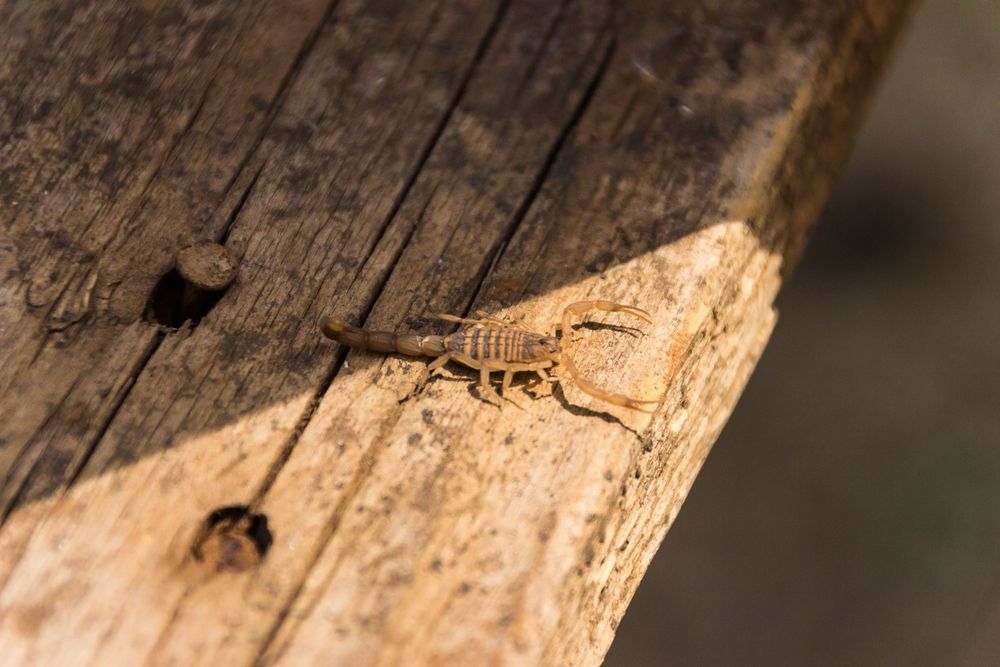
What Does a Scorpion Sting Feel Like?
The first sensation is usually sudden and difficult to ignore. A person may feel a sharp prick followed by burning, throbbing, tingling, or numbness around the sting site.
The pain may remain limited to a finger, hand, foot, or other affected area. In some cases, it can spread slightly beyond the original site. Mild redness or swelling may develop, but the amount of visible irritation does not always match the level of pain.
Common local symptoms include:
- Immediate pain or burning
- Tingling or numbness
- Tenderness around the sting
- Mild redness
- Limited swelling
- Sensitivity when the area is touched
A scorpion sting can be painful even when very little venom enters the skin. The absence of a large welt does not mean the person imagined the sting or that monitoring is unnecessary.
Poison Control’s scorpion guidance notes that many scorpion stings leave no obvious mark. Identification may depend more on the symptoms and whether someone saw the scorpion than on the appearance of the skin.
Why Does a Scorpion Sting Hurt So Quickly?
A scorpion uses the stinger at the end of its tail to inject venom. The venom helps it capture insects, spiders, centipedes, and other small prey.
People are not prey. Stings usually occur because someone accidentally steps on a scorpion, reaches into its hiding place, puts on clothing or footwear containing one, or presses it against the skin.
The venom affects nerve endings near the sting site, which helps explain the rapid pain, burning, and tingling. The reaction can feel intense even when the symptoms remain confined to a small area.
Scorpions do not normally chase people around a home. They are more likely to hide or escape unless trapped, handled, or disturbed.
What to Do First After a Scorpion Sting
Move away from the scorpion before focusing on the injury. Check the surrounding area so another person, child, or pet does not step on it.
Once you are in a safe place, take these steps:
- Wash the sting site gently with soap and water.
- Remove rings, watches, tight shoes, or other items near the area before swelling develops.
- Apply a cold pack wrapped in a clean cloth.
- Keep the affected area still and in a comfortable position.
- Call Poison Control at 1-800-222-1222 for individualized guidance.
- Watch closely for symptoms that spread beyond the sting site.
Apply the cold pack for short intervals rather than leaving it against the skin continuously. Never place ice directly on bare skin because prolonged exposure can cause tissue damage.
Poison Control provides free, confidential guidance around the clock. The specialist may ask about the person’s age, symptoms, location, medical history, time of the sting, and whether the scorpion was identified.
Should You Try to Capture the Scorpion?
A photograph can help with identification, but no one should risk another sting to obtain one. Do not pick up a scorpion with bare hands, even when it appears dead.
When it can be done safely, take a clear photograph from a distance. Keep children and pets away while the scorpion is removed.
A person wearing closed shoes and protective gloves may be able to place a sturdy container over it and slide a rigid piece of cardboard beneath the container. Long-handled tongs can also be used, but only when the person can maintain a safe distance.
Do not carry a live scorpion to a doctor’s office or emergency room unless a medical professional specifically instructs you to do so. A photograph is usually safer.
What Not to Do After a Scorpion Sting
Several traditional venom remedies can cause additional injury without improving the outcome.
Do not:
- Cut or puncture the sting site.
- Try to suck out the venom.
- Apply a tourniquet.
- Use electricity on the area.
- Place undiluted chemicals or essential oils on the skin.
- Cover the sting with an extremely tight bandage.
- Drink alcohol as a pain treatment.
- Delay emergency care while trying home remedies.
A tourniquet can restrict blood flow and damage tissue. Cutting the skin introduces bacteria and does not reliably remove venom that has already entered the body.
Over-the-counter pain medication may be appropriate for some people, but age, allergies, pregnancy, health conditions, and other medications can affect what is safe. Ask Poison Control, a pharmacist, or a healthcare provider for guidance.
Which Symptoms Are Usually Limited Reactions?
Most reactions to Texas scorpion stings remain near the sting site. Pain can be strong at first and then gradually improve.
A limited reaction may include:
- Pain that stays near the sting
- Mild tingling or numbness
- A small amount of swelling
- Minor redness
- Tenderness
- Temporary sensitivity to touch
Continue monitoring the person even when the initial symptoms appear mild. Reactions can change during the first few hours.
Texas A&M AgriLife reports that scorpions are common across most of Texas and that individual reactions can vary. Its Texas scorpion information advises watching a person closely for adverse reactions after a sting.
When Is a Scorpion Sting an Emergency?
Call 911 or seek immediate emergency care when the person has difficulty breathing, swallowing, or remaining conscious. Symptoms affecting several parts of the body can indicate a more serious reaction.
Emergency warning signs include:
- Trouble breathing or wheezing
- Swelling of the face, tongue, lips, or throat
- Difficulty swallowing
- Widespread hives
- Severe weakness or dizziness
- Fainting or loss of consciousness
- Uncontrolled muscle twitching
- Unusual eye, head, or neck movements
- Slurred speech
- Heavy drooling
- Repeated vomiting
- Severe agitation or confusion
- A rapid change in heart rate
Do not wait for these symptoms to pass on their own. Serious nervous-system effects can worsen over several hours and may require hospital treatment.
An allergic reaction is also possible after any venomous sting.
Someone with a prescribed epinephrine auto-injector should follow the emergency plan provided by their healthcare professional and still seek emergency care.
Are Scorpion Stings More Serious for Children?
Children should be watched especially closely after a scorpion sting. Their smaller body size can make the effects of venom more significant, and young children may have difficulty explaining what they feel.
Call Poison Control promptly after a child is stung, even if the child initially appears well. Do not rely only on the size of the mark or the child’s ability to describe the pain.
Watch for:
- Unusual crying or agitation
- Excessive drooling
- Trouble swallowing
- Jerking or uncontrolled movements
- Difficulty focusing the eyes
- Breathing changes
- Vomiting
- Weakness or unusual sleepiness
Anyone caring for an infant or young child should seek immediate help if symptoms extend beyond pain at the sting site.
Older adults and people with serious medical conditions may also need closer assessment. A healthcare provider can help determine the appropriate response.
What Is the Most Common Scorpion in Texas?
The striped bark scorpion is the species most commonly encountered in Texas. It is generally yellowish tan and has two dark stripes running along its back, although markings can vary.
Adults have slender pincers and a relatively long, narrow tail. Their flattened bodies allow them to enter small cracks and hide beneath rocks, bark, lumber, outdoor equipment, and other objects.
Striped bark scorpion stings are painful, but most produce moderate reactions rather than the severe nervous-system effects associated with certain bark scorpions in parts of Arizona and the Southwest. The response still depends on the individual, the sting location, and the amount of venom involved.
Do not attempt to identify a scorpion while holding it. Body color alone is not reliable enough to determine the risk of a sting.
How Long Does Scorpion Sting Pain Last?
The duration varies. Mild local pain may begin improving within a few hours, while tenderness, tingling, or numbness can last longer.
The person should show a general trend toward improvement. Contact Poison Control or a healthcare provider when:
- Pain remains severe despite recommended care.
- Symptoms continue getting worse.
- Numbness spreads beyond the immediate area.
- Swelling becomes extensive.
- New symptoms appear elsewhere in the body.
- The sting site begins showing signs of infection.
- You are uncertain whether the reaction is normal.
Do not assume that pain lasting longer than expected is something you must tolerate. Continued or worsening symptoms deserve professional guidance.
Could the Sting Site Become Infected?
A scorpion sting creates a small puncture in the skin. Infection is not the usual immediate reaction, but bacteria can enter if the area is scratched, cut, or treated with contaminated substances.
Possible signs of infection include:
- Redness that continues spreading after the initial reaction
- Increasing warmth
- Pus or cloudy drainage
- Pain that worsens after initially improving
- Red streaks extending from the area
- Fever
Wash the site and avoid picking or scratching it. Contact a healthcare provider if signs of infection develop.
Redness and warmth beginning soon after the sting may be part of the initial inflammatory response. A clinician can help distinguish that reaction from an infection that develops later.
Where Scorpions Hide Around Texas Homes
Scorpions are nocturnal. They remain in protected spaces during the day and emerge at night to hunt insects and other small prey.
Outdoor hiding places may include:
- Beneath rocks and landscape timbers
- Inside stacked firewood
- Under loose bark
- Around retaining walls
- Beneath patio furniture
- Inside piles of lumber or debris
- Around foundations and masonry gaps
- Beneath outdoor equipment
Indoors, they may hide in:
- Garages
- Closets
- Shoes and boots
- Bathrooms
- Laundry rooms
- Attics
- Wall voids
- Cardboard boxes
- Areas beneath furniture
- Cracks along baseboards
Scorpions can enter through surprisingly narrow openings. Worn door sweeps, gaps around plumbing, damaged screens, foundation cracks, and openings around air-conditioning lines can provide access.
How to Prevent Another Scorpion Sting
Reducing accidental contact is just as important as reducing the number of scorpions on the property.
Check Items Before Using Them
Shake out shoes, boots, gloves, towels, clothing, and bedding that have been left near the floor or stored in a garage.
Use a flashlight before reaching into boxes, cabinets, or dark storage areas. Wear gloves when moving firewood, stones, landscaping materials, or objects that have remained undisturbed.
Close Entry Points
Replace damaged door sweeps and weatherstripping. Repair torn screens and seal openings around pipes, cables, vents, and foundation joints.
Check the garage door carefully. Gaps along the bottom corners are easy to miss and can allow scorpions and their prey to enter.
Remove Outdoor Shelter
Move firewood, lumber, stones, and debris away from exterior walls. Keep stored materials elevated where practical.
Trim plants touching the house and remove heavy leaf litter close to the foundation. Do not leave shoes, towels, toys, or clothing on patios overnight.
Reduce Scorpion Prey
Scorpions remain where they can find insects and other small pests. Crickets, cockroaches, spiders, beetles, and centipedes can support ongoing activity.
Correct moisture problems, reduce outdoor clutter, secure food and pet food, and address insect infestations. Controlling the prey population is an important part of long-term scorpion management.
Our guide to removing scorpions from your property explains how inspection, exclusion, habitat changes, and targeted control work together.
When Professional Scorpion Control Makes Sense
One scorpion may have entered through an open door or arrived with an item brought inside. Repeated sightings point to accessible entryways, nearby hiding places, or a reliable supply of insect prey.
Professional service may be appropriate when:
- Scorpions repeatedly appear indoors.
- A family member has already been stung.
- Scorpions are found in bedrooms or children’s areas.
- Activity continues after obvious gaps are sealed.
- Outdoor shelter surrounds the structure.
- Crickets, cockroaches, or other prey are abundant.
- You cannot inspect attics, wall gaps, or utility areas safely.
At EcoForce Pest Management, we provide professional scorpion control for Texas properties. Our process begins with an inspection for hiding areas, pest activity, and access points. Depending on the conditions, service may include targeted interior and exterior treatments, crack-and-crevice applications, monitoring traps, prey control, and exclusion recommendations.
Address the Scorpions Before Someone Gets Stung Again
A scorpion sting usually causes immediate, concentrated pain. Washing the area, applying a wrapped cold pack, contacting Poison Control, and watching for body-wide symptoms are the most important first steps.
First aid addresses the sting that has already happened. Preventing another encounter requires finding where scorpions are hiding, how they are entering, and which pests are providing food.
When scorpions keep appearing around your garage, bathroom, bedroom, or outdoor living areas, contact EcoForce Pest Management to request an inspection. We can evaluate your Texas property and recommend a practical scorpion-control plan based on the activity we find.
Start Being Pest Free Today!
Contact Us