The Palmetto Bug Is Just a Roach With Better Branding
“Palmetto bug” may sound less unpleasant than “cockroach,” but the name does not describe a separate type of insect. It is a regional nickname commonly applied to large outdoor cockroaches, especially American and smokybrown cockroaches.
In Texas, these roaches often live outside in damp, protected areas. They may enter homes through doors, utility gaps, drains, and foundation openings while searching for water, food, or shelter. One large roach indoors may be an accidental visitor.
Repeated sightings, young roaches, droppings, or egg cases point to a problem that deserves closer inspection.
What Is a Palmetto Bug?
“Palmetto bug” is an informal name rather than an exact scientific classification. Depending on the region, people may use it for American, smokybrown, brown, or other large cockroaches commonly found outdoors.
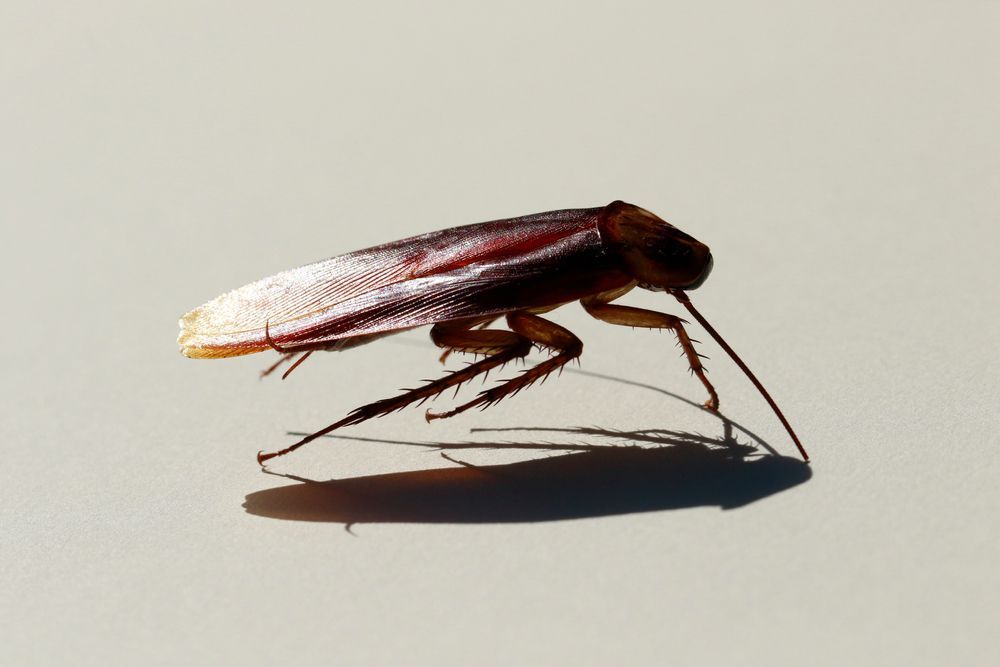
The American cockroach is one of the species most often given this nickname. It is a large, reddish-brown roach with long antennae, wings, and a pale yellowish margin behind its head. Smokybrown cockroaches are slightly darker and more uniformly mahogany brown or black.
The nickname can create confusion because two people may use “palmetto bug” to describe different species. Correct identification matters because outdoor roaches and German cockroaches do not behave, reproduce, or require treatment in exactly the same way.
The Texas A&M AgriLife cockroach guide emphasizes identifying the species before choosing a management strategy.
Why People Avoid Calling It a Roach
The term “palmetto bug” is often used for a large cockroach found near trees, mulch, drains, or outdoor vegetation. It sounds more like a regional insect than a household pest, but changing the name does not change the insect.
These roaches have the same basic cockroach features:
- A flattened, oval body
- Six spiny legs
- Long antennae
- A shield-like section behind the head
- Fast movement when disturbed
- Wings on mature adults
The name may also reflect where these insects are found. Large cockroaches often shelter beneath bark, leaves, mulch, wood, and other outdoor materials. They are not restricted to palmetto trees and can appear around many types of Texas landscaping.
How to Identify an American Cockroach
American cockroaches are among the largest roaches commonly found around buildings. Adults are reddish-brown and may grow to around 2 inches long. A pale yellow or tan band around the edge of the shield behind the head is one of their most useful identification features.
Adults have fully developed wings. The wings of a male extend slightly beyond the end of the abdomen, while a female’s wings are closer to the abdomen’s length. Younger roaches, called nymphs, do not have fully developed wings and may look darker than adults.
EcoForce’s American cockroach identification and control page describes these roaches as nocturnal pests associated with plumbing systems, utility openings, wall voids, and moisture-prone areas.
Palmetto Bug vs. Smokybrown Cockroach
Smokybrown cockroaches are another species that may be called palmetto bugs. They are large, dark, and capable of flying. Their bodies are usually a consistent mahogany or very dark brown without the yellowish marking found behind an American cockroach’s head.
Smokybrown cockroaches are strongly associated with outdoor conditions. They may live around:
- Tree holes
- Roof gutters
- Mulch
- Wood piles
- Dense landscaping
- Attics and rooflines
- Outdoor storage areas
They lose moisture easily, so they tend to remain near damp or humid shelter. Outdoor lighting may also attract flying adults toward doors, windows, and roof areas.
Palmetto Bug vs. German Cockroach
A large outdoor cockroach is unpleasant, but a German cockroach inside the home often indicates a different and potentially more established problem.
German cockroaches are much smaller.
Adults are usually light brown or tan and have two dark parallel stripes behind the head. They primarily live and reproduce indoors, especially near food, warmth, and water.
The difference is important:
- American and smokybrown cockroaches often begin outdoors or in sewers, drains, utility spaces, and damp structural areas.
- German cockroaches commonly establish themselves inside kitchens, bathrooms, appliances, cabinets, and food-handling areas.
- Large outdoor roaches may enter individually.
- German cockroach sightings often point to nearby indoor breeding activity.
Never assume that every cockroach requires the same treatment. A proper inspection should identify the species, determine whether it is breeding indoors, and locate the conditions supporting it. EcoForce explains these distinctions in our overview of cockroach species and professional control.
Why Palmetto Bugs Enter Texas Homes
Large cockroaches normally prefer protected environments with moisture, food, and darkness. A Texas home can provide all three, even when it is cleaned regularly.
They may enter through:
- Gaps beneath exterior doors
- Open garage doors
- Damaged window screens
- Cracks in the foundation
- Openings around pipes and utility lines
- Roof and attic vents
- Floor drains
- Plumbing penetrations
- Items brought inside from storage
Heavy rain may flood outdoor hiding places and push roaches toward structures. Dry weather can also send them inside in search of moisture. Temperature changes and landscaping work may disturb the places where they normally shelter.
Our guide to where cockroaches come from explains how cracks, plumbing openings, packages, drains, and neighboring properties can provide access.
Does Seeing One Mean Your House Is Dirty?
No. Cockroaches need food, moisture, and shelter, but those resources can exist in a well-maintained home.
A small plumbing leak may provide water. Condensation can collect beneath an appliance. Pet food, cardboard, drain residue, and tiny crumbs can support insect activity without an obvious sanitation problem.
Large outdoor cockroaches may also enter accidentally. A roach found near a door after heavy rain does not carry the same meaning as several German cockroaches found beneath a kitchen appliance.
Cleaning remains important because it removes food and hiding places. It should be combined with moisture correction, exclusion, monitoring, and species-specific treatment.
Can Palmetto Bugs Fly?
Many of the large roaches called palmetto bugs have functional wings. American cockroaches can make short flights or glide, while smokybrown cockroaches are stronger fliers.
They are more likely to fly under warm conditions or when attracted to light. What looks like a roach flying directly at someone is usually an insect moving toward light, escaping a disturbance, or landing without much precision.
Outdoor lights close to doors and windows can increase the chance of an encounter. Reducing unnecessary nighttime lighting or repositioning fixtures away from entrances may help limit activity around the home.
Are Palmetto Bugs Dangerous?
Palmetto bugs do not sting, and they are not known for attacking people. The concern comes from where cockroaches travel and what they can leave behind.
Cockroaches may move through drains, garbage, decaying material, and other contaminated places before crossing floors, counters, or stored items. Their droppings, saliva, shed skins, and body fragments can also contribute to indoor allergens.
The U.S. Environmental Protection Agency’s cockroach guidance notes that cockroach debris can trigger allergies and asthma, particularly in sensitive children, and that bacteria carried on their bodies can contaminate food.
A single outdoor cockroach that wanders inside is different from a sustained infestation. Repeated activity should still be addressed before droppings, shed skins, and other debris accumulate.
Where Palmetto Bugs Hide During the Day
Large cockroaches are mainly active at night. During the day, they seek narrow, dark, and protected spaces.
Common hiding places include:
- Beneath sinks
- Behind refrigerators
- Around water heaters
- Inside garages
- Near floor drains
- Behind stored boxes
- Inside wall voids
- Around pipe chases
- Beneath mulch and landscaping debris
- Inside gutters and attic spaces
Finding one near a damp utility area may provide a useful clue about how it entered. Look for plumbing leaks, condensation, drain openings, damaged seals, and gaps around utility lines.
Avoid reaching into dark spaces with bare hands. Wear gloves when moving stored materials and use a flashlight to inspect behind equipment.
Signs of More Than an Accidental Visitor
One adult roach near an exterior opening may have wandered indoors. Several forms of evidence suggest that the activity is more established.
Watch for:
- Multiple roaches over several nights
- Smaller, wingless nymphs
- Brown or black droppings
- Shed skins
- Egg cases
- A persistent musty odor
- Activity during daylight
- Roaches caught repeatedly on monitoring traps
Nymphs are especially important because they indicate that cockroaches are developing nearby. Egg cases may appear as small brown capsules in protected cracks or near hiding places.
Daytime sightings can occur when a roach is disturbed, so one daytime encounter does not prove a severe infestation. Frequent daylight activity is more concerning because it may indicate crowding or extensive hiding-site activity.
What to Do After Finding One Palmetto Bug
Remove the roach without touching it directly. A vacuum can be useful, provided the contents are emptied into a sealed bag and taken outside afterward.
Next, inspect the immediate area instead of spraying every visible surface. Check for moisture, droppings, egg cases, and openings that lead outdoors or into plumbing spaces.
A practical first response includes:
- Cleaning the area where the roach was found
- Checking beneath nearby appliances
- Repairing visible plumbing leaks
- Sealing food and pet food
- Emptying indoor trash
- Placing monitoring traps along walls
- Inspecting door sweeps and utility openings
- Recording additional sightings
Sticky monitoring traps do not eliminate an infestation on their own. They help show where roaches are traveling and whether activity continues.
How to Keep Palmetto Bugs Outside
Prevention should focus on entry points, water, outdoor shelter, and insect monitoring.
Seal Openings
Replace damaged door sweeps and weatherstripping. Seal cracks around plumbing, utility cables, vents, windows, and foundation joints.
Do not overlook attached garages. Gaps beneath the garage door or around the door leading into the home can create a direct route indoors.
Correct Moisture Problems
Repair leaking pipes, faucets, irrigation equipment, and air-conditioning drainage problems. Improve ventilation in damp utility or storage spaces.
Clean roof gutters and keep exterior drains flowing. Persistent moisture around the foundation can support roaches and other pests.
Reduce Outdoor Shelter
Move firewood, cardboard, lumber, and unused containers away from exterior walls. Thin heavy groundcover and remove excessive leaf litter or mulch buildup near the foundation.
Keep trash containers closed and clean spills or residue around them. Outdoor pet feeding areas should also be cleaned regularly.
Protect Food and Storage Areas
Store pantry products and pet food in sealed containers. Remove corrugated cardboard when it is no longer needed because its folds provide protected hiding spaces.
Clean beneath appliances and around food-preparation areas, but remember that sanitation alone cannot close a drain or seal a structural gap.
Why Spraying the Visible Roach May Not Solve the Problem
Aerosol spray may kill the roach you can see without reaching the place it came from. Large cockroaches may be hiding in drains, wall voids, pipe chases, attic spaces, or exterior landscaping.
Heavy indoor spraying can also scatter activity or expose people and pets to products used incorrectly. Foggers rarely reach narrow harborages and may create unnecessary pesticide exposure.
Effective control depends on identifying the species and combining the appropriate methods. Those methods may include targeted baiting, crack-and-crevice treatment, exclusion, moisture correction, exterior management, and follow-up monitoring.
Any pesticide used by a homeowner should be registered for the intended location and pest. The label must be followed exactly.
How EcoForce Handles Large Cockroach Activity
At EcoForce Pest Management, we do not rely on the friendlier nickname. We identify the cockroach species and determine whether it wandered inside or is part of a larger problem.
Our process begins with an inspection of likely hiding areas, moisture sources, and access points. Treatment is then based on the species and the conditions present. Exclusion and continued monitoring may also be used to reduce the chance of renewed activity.
That distinction matters because an American cockroach entering from a drain requires a different response from German cockroaches breeding behind a refrigerator.
Stop Calling It a Palmetto Bug and Start Addressing the Source
A palmetto bug is a cockroach, even when the nickname makes it sound more acceptable. One large roach may have wandered inside, but repeated sightings can point to moisture, open entryways, or a nearby population.
When large cockroaches keep appearing in your kitchen, bathroom, garage, or utility areas, contact EcoForce Pest Management to request an inspection. We can identify the species, locate the conditions supporting it, and recommend an appropriate cockroach-control plan for your Texas property.
Start Being Pest Free Today!
Contact Us