
What to Know About Ticks in Texas
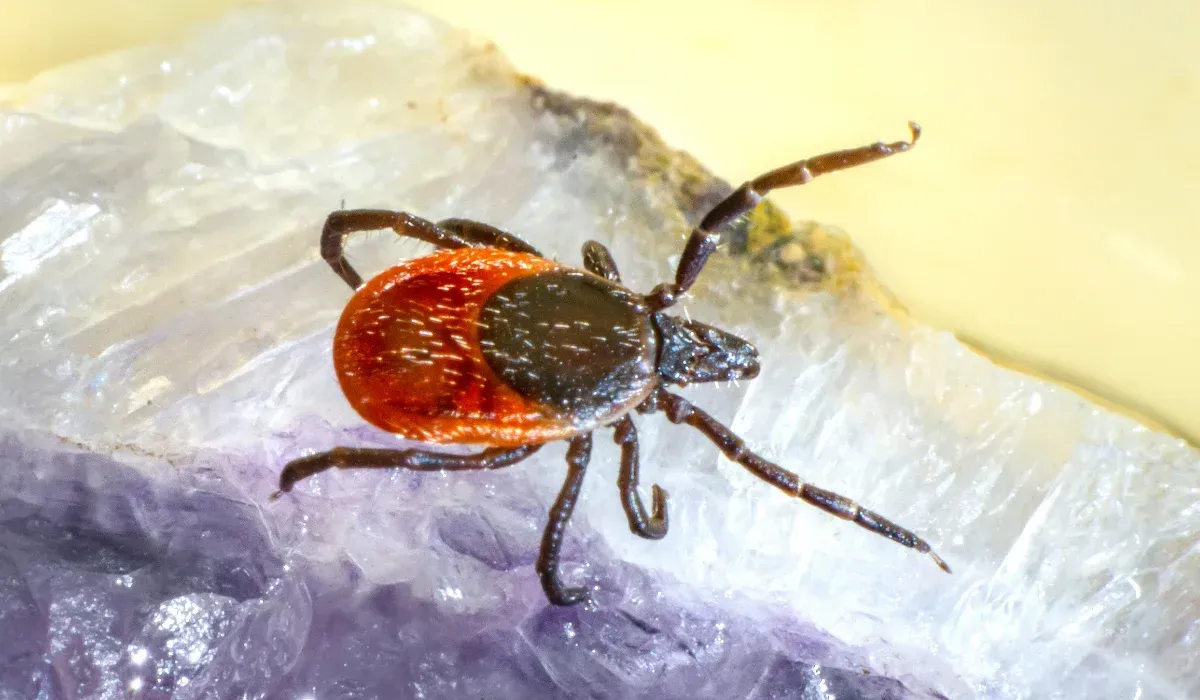
You come inside after working in the yard or walking your dog and find a small tick on your leg, clothing, or pet. Ticks in Texas are common outdoor pests, and several species bite people or animals. Some can also transmit organisms that cause disease.
Knowing where the tick came from can help you decide what to check next. Texas ticks turn up around brush, wooded edges, tall vegetation, wildlife corridors, trails, and sometimes the places where dogs sleep or spend time. Here is what you should know about the species homeowners encounter, local health risks, tick season, safe removal, and prevention around your property.
Common Types of Ticks in Texas
The tick on your dog may not be the same species you picked up beside a wooded trail. Texas has several ticks that interact with people and pets, and their habits often provide better clues than size alone.
You do not need to identify every tick down to tiny markings. Start with where you found it, what it looks like, and whether you have seen more than one.
| Tick | What You May Notice | Where You May Find It | Why Homeowners Should Know It |
|---|---|---|---|
| Lone star tick | Adult females have a pale or white spot on the back | Brush, woods, trail edges, creek corridors, and wildlife areas | Bites people and is associated with ehrlichiosis, tularemia, and alpha-gal syndrome |
| American dog tick | Brown body with pale markings | Grass, fields, trails, and areas used by dogs or wildlife | Can transmit organisms linked to spotted fever rickettsiosis and tularemia |
| Brown dog tick | Fairly even reddish-brown coloring | Kennels, patios, pet bedding, dog runs, and homes | Can build up around places where dogs repeatedly rest |
| Blacklegged tick | Dark legs and a dark area near the head | Wooded or brushy habitat | Can transmit Lyme disease |
| Gulf Coast tick | Pale patterned markings on adults | Fields, pasture areas, tall grass, and wildlife habitat | Can transmit a form of spotted fever rickettsiosis |
Lone Star Ticks
You may pick up a lone star tick while clearing vegetation, hunting, walking beside brush, or spending time near a creek or wooded property line. Adult females are easy to recognize because of the light spot near the center of the back, but immature ticks can be much smaller.
Texas A&M AgriLife places lone star ticks in wooded areas with underbrush, along creeks and rivers, and near animal resting sites. It also notes that larvae, nymphs, and adults feed on people, so a small tick should not be dismissed simply because it does not look like a full-size adult.
Brown Dog Ticks
Brown dog ticks deserve a separate look because dogs are central to where homeowners encounter them. You may find them around a kennel, dog run, porch, pet bedding, or another place where a dog rests for long periods.
One tick on a dog after a walk may simply be an outdoor pickup. Ticks that keep appearing near the same pet area or inside the house suggest that the source could be closer to home.
When Is Tick Season in Texas?
There is no single date when tick season in Texas begins and ends. Activity varies by species and weather, and some ticks can be encountered for much of the year. Lone star ticks, for example, have periods of increased adult and nymph activity during warmer parts of the year.
Your own outdoor routine also changes with the weather. Spring and summer bring gardening, camping, hunting, yard cleanup, longer dog walks, and more time on trails. That means you and your pets are crossing the same vegetation used by ticks and their animal hosts more often.
Austin and San Antonio neighborhoods can sit beside creeks, greenbelts, drainage corridors, parks, wooded lots, and undeveloped land. You do not need deep woods in your backyard. A shaded fence line, leaf litter beneath shrubs, tall grass behind a shed, or brush beside a drainage channel can put ticks close to the areas you use.
| Area Around Your Property | Why Ticks May Show Up There | What to Watch For |
|---|---|---|
| Wooded edges | Shade, brush, and animal traffic overlap | Ticks after clearing vegetation or walking near the edge |
| Tall grass | People and animals brush against vegetation | Ticks on pants, socks, shoes, or pets |
| Dog areas | Pets repeatedly return to the same resting spots | Ticks near kennels, beds, patios, or runs |
| Trails and greenbelts | Wildlife, dogs, and people use the same routes | Ticks after walks or hikes |
| Leaf litter and dense shrubs | Shaded material provides protected areas | Activity around landscaping rather than open lawn |
Your dog can also carry a crawling tick from brush to the patio or living room before it attaches. A quick check after a walk through taller vegetation may catch it before it disappears into fur or bedding.
What Tick-Borne Diseases Are Reported in Texas?
Finding an attached tick does not mean you have contracted a disease. The tick must be a species capable of transmitting a specific pathogen, and that individual tick must carry it.
Still, tick-borne diseases in Texas are worth understanding because several illnesses are reported in the state. The pattern is broader than Lyme disease alone.
Reported Texas Cases
The Texas Department of State Health Services publishes statewide surveillance totals for reportable zoonotic diseases. Its current data show the following reported cases for several illnesses associated with ticks.
| Disease | 2023 | 2024* | 2025* |
|---|---|---|---|
| Anaplasmosis | 2 | 6 | 14 |
| Ehrlichiosis | 14 | 13 | 13 |
| Lyme disease | 27 | 21 | 19 |
| Spotted fever rickettsiosis | 15 | 18 | 15 |
| Tick-borne relapsing fever | 0 | 3 | 1 |
| Tularemia | 0 | 1 | 0 |
Texas DSHS marks 2024 and 2025 figures as provisional. These are cases reported to the agency, not an estimate of every infection that occurred in Texas.
The term Rocky Mountain spotted fever is still familiar to many homeowners, but public health surveillance now uses the broader category spotted fever rickettsiosis to include illnesses caused by several related bacteria. Texas DSHS changed its case definition to spotted fever rickettsiosis in 2010.
Lyme Disease in Texas
A blacklegged tick, sometimes called a deer tick, can transmit the bacteria responsible for Lyme disease. However, Lyme disease in Texas should be viewed in its local context rather than through national headlines.
Texas reports Lyme cases, but the numbers remain relatively low compared with high-incidence parts of the United States. If you become ill after a tick bite, where you were exposed and whether you recently traveled can give your healthcare provider useful information.
Lone Star Ticks and Alpha-Gal Syndrome
A lone star tick bite can lead to a different type of health concern. It is associated with alpha-gal syndrome, an allergy involving alpha-gal, a sugar found in most mammals.
The Centers for Disease Control and Prevention (CDC) reports that more than 110,000 suspected U.S. cases were identified from 2010 through 2022. CDC researchers estimated that as many as 450,000 people may have been affected in the United States, although the true number is unknown.
Not everyone bitten by a lone star tick develops alpha-gal syndrome. If you develop unusual allergic symptoms after a tick bite or after eating mammalian meat, speak with a healthcare professional rather than trying to diagnose the condition from the tick.
What Should You Do After a Tick Bite?
You spot a tick attached near your ankle, waist, scalp, or another area that is easy to overlook. Remove it promptly instead of covering it with petroleum jelly, nail polish, or another home remedy and waiting for it to release.
How to Remove a Tick
Use clean, fine-tipped tweezers. Grip the tick as close to your skin as possible, then pull upward with steady, even pressure. Avoid twisting, crushing, or jerking it.
After removal, clean your skin and hands, then check the rest of your body. Look through your clothing and check your pets too, especially if you were in brush, tall grass, or another area where you may have picked up more than one tick.
| Situation | What to Do | What to Skip |
|---|---|---|
| Tick is crawling on you | Remove it and check your skin and clothing | Assuming it is the only tick present |
| Tick is attached | Grip close to the skin with tweezers and pull steadily | Twisting, burning, or coating it with petroleum jelly |
| Tick has been removed | Clean the area and wash your hands | Crushing it between bare fingers |
| Symptoms develop later | Tell a healthcare provider when and where the bite occurred | Trying to identify an illness from the bite mark alone |
Pay attention to how you feel during the following days and weeks. Fever, rash, headache, muscle aches, unusual fatigue, or other new symptoms after a known tick bite should be discussed with a healthcare provider.
How Can You Reduce Ticks Around Your Texas Home?
Good tick prevention starts at the edges of your yard, not in the middle of the open lawn. Look closely at the places where your maintained property meets shade, brush, taller vegetation, pet activity, or wildlife traffic.
Cut back overgrown vegetation beside frequently used paths, patios, play areas, and dog runs. Remove excessive leaf litter where practical, and keep plants from crowding paths where your legs or your dog's coat regularly brush against foliage. These changes will not eliminate every tick, but they can reduce the conditions that bring ticks and people together.
Check Yourself After Outdoor Activity
After gardening, hiking, hunting, clearing brush, or walking through tall grass, check your clothing and skin. Pay particular attention to the scalp, hairline, waist, behind the knees, under the arms, and other areas where a small tick can stay hidden.
Use an EPA-registered repellent according to its label when appropriate. Clothing and gear intended for tick protection can provide another barrier when you expect to spend time in dense vegetation.
Keep Pets in the Routine
Run your hands through your dog's coat after time around brush or tall grass. Check the ears, neck, legs, paws, and between the toes, where ticks can be difficult to see.
Ask your veterinarian which tick preventive is appropriate for your pet's age, health, and outdoor habits. Physical checks still matter even when a dog uses a preventive product.
When Professional Tick Control Makes Sense
One tick after a hike does not automatically point to a yard problem. If ticks in Texas keep turning up on your pets, near a kennel, around the patio, or inside your home, the pattern is more useful than a single sighting. It may indicate activity on or close to the property.
Professional tick control can help identify where that activity is concentrated. An inspection can focus on pet areas, shaded vegetation, yard edges, recurring wildlife traffic, and the locations where you have actually found ticks. That allows treatment and property recommendations to address likely sources instead of treating every part of the yard the same way.
EcoForce Pest Management serves homeowners in the Austin and San Antonio areas and uses property inspection as part of its pest management approach. If ticks continue to show up around your home, request a free quote from EcoForce Pest Management to have the property checked and determine whether professional treatment makes sense.
Start Being Pest Free Today!
Contact Us