
Texas Spiders, Broken Down for Homeowners
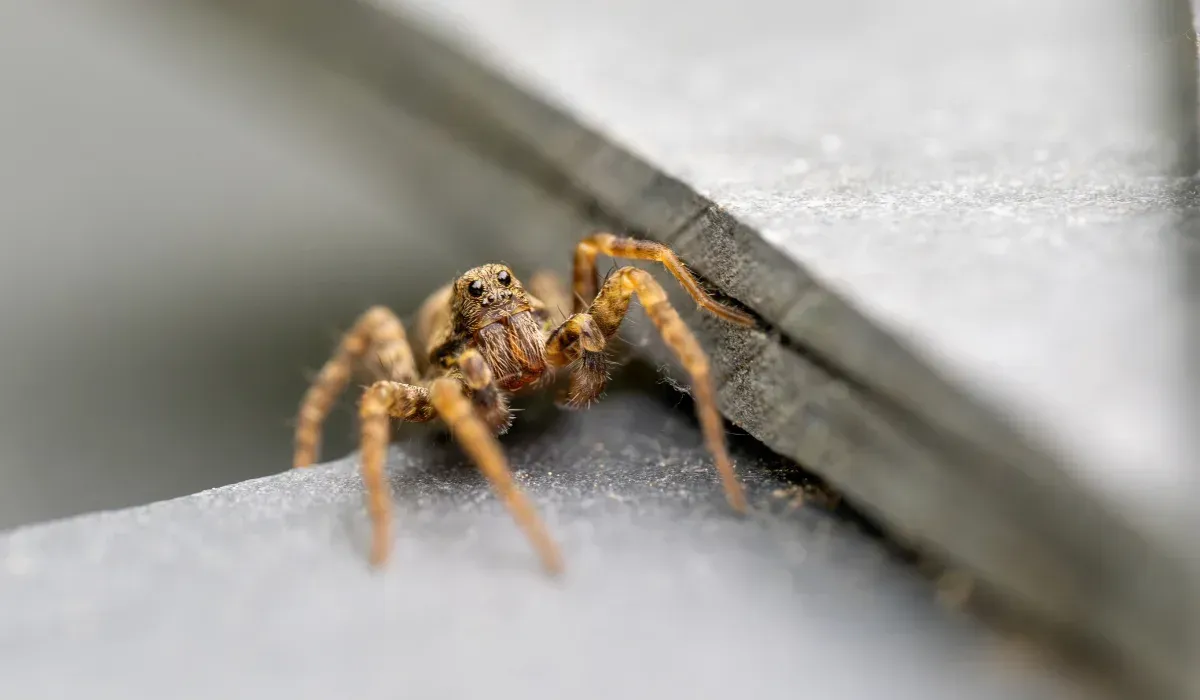
You move a box away from the garage wall and a brown spider runs underneath a shelf before you get a clear look. You know some spiders are harmless and others deserve caution, but telling the difference from a two-second sighting is difficult.
Most Texas spiders you encounter around a home are not considered medically dangerous. This guide covers common spiders in Texas, practical identification clues, the species that warrant more care, and the conditions that can keep spiders showing up around your house.
How Many Types of Texas Spiders Are There?
Texas supports far more spider species than most homeowners ever see. A peer-reviewed Catalogue of Texas Spiders documented 1,084 species in 311 genera and 53 families across the state.
You do not need to learn hundreds of types of spiders in Texas to recognize what is happening around your property. Start with details you can see without getting close, including body shape, movement, web style, size, and where the spider was found.
Color is less useful than many people expect. Brown, gray, and black appear across many unrelated species, so Texas spider identification usually works better when you combine several clues.
| Spider | What You May Notice | Where You May See It | General Concern |
|---|---|---|---|
| Wolf spider | Hairy brown or gray body, fast runner | Lawns, patios, garages, doorways | Low |
| Jumping spider | Compact body, prominent front eyes, short jumps | Windows, siding, fences, patios | Low |
| Orb weaver | Large circular web, noticeable abdomen | Gardens, trees, shrubs, porches | Low |
| House or cellar spider | Small body or long thin legs, irregular web | Corners, ceilings, garages, storage areas | Low |
| Tarantula | Large body with thick, hairy legs | Yards, rocky ground, near burrows | Low |
| Brown recluse | Plain brown body, six eyes, possible violin marking | Boxes, closets, attics, crawl spaces | Medically significant |
| Black widow | Dark rounded abdomen, reddish marking underneath | Woodpiles, garages, utility areas | Medically significant |
Common Texas Spiders You May Find Around Your Home
Some of the biggest spiders in Texas are active hunters that spend their time chasing insects. They get noticed because they move quickly or build webs where people can see them, especially around garages, patios, windows, and landscaping.
For Austin and San Antonio homeowners, learning four common groups covers many of the spider sightings that happen around yards and structures.
Wolf Spiders
A wolf spider hunts across the ground instead of waiting for insects in a prey-catching web. You may see one move quickly across a garage floor, driveway, patio, or doorway after dark.
Wolf spiders are usually hairy and patterned in brown, gray, black, cream, or yellow. Different species vary widely in size, and they can range from about half an inch to 3 inches long.
One wolf spider indoors may have entered through a door gap while following prey. Female wolf spiders can also be recognized by the egg sac they carry behind the body or the spiderlings riding on their back.
Jumping Spiders
A jumping spider may sit on a sunny window frame and turn toward you when you move nearby. Its compact body and large forward-facing eyes give it a distinctive look.
These spiders hunt during daylight hours and use short jumps to catch insects. They produce silk, but they use it as a safety line rather than building the large prey webs associated with orb weavers.
Orb Weavers and Garden Spiders
A nearly circular web stretched between two shrubs, porch posts, or tree branches usually belongs to an orb weaver. These webs can become especially noticeable in the morning when moisture collects on the silk.
Orb weavers catch moths, flies, grasshoppers, and other insects moving through the yard. Their size and web can look dramatic, but these outdoor spiders generally present little concern to homeowners.
Tarantulas
Texas tarantulas have thick legs, heavy bodies, and dense hair. Some adults can reach a leg span greater than 3 inches, which makes them one of the most visually striking Texas spiders.
They usually stay outdoors near burrows, rocks, logs, or other sheltered areas. Wandering males may cross yards or open ground while searching for females, but Texas tarantulas are generally shy and their bites are not considered dangerous.
Which Texas Spiders Require More Caution?
Searches for "venomous spiders in Texas" can create the impression that every spider with venom presents a serious threat. Spiders use venom to capture prey, but medical significance is the more useful measure for homeowners.
According to the Texas A&M AgriLife Extension, recluse spiders and widow spiders are the two groups in the state considered medically significant. These are the dangerous spiders in Texas that homeowners have the most reason to recognize.
| Feature | Brown Recluse | Black Widow |
|---|---|---|
| Body | Light to dark brown | Adult female usually dark with a rounded abdomen |
| Useful marking | Dark violin-shaped mark may be present | Red or reddish-orange mark may appear underneath |
| Eyes | Six, arranged in three pairs | Eight |
| Behavior | Hunts at night and hides in protected retreats | Builds a strong, tangled web |
| Likely hiding areas | Boxes, stored clothing, attics, crawl spaces, wall voids | Woodpiles, garages, crawl spaces, utility boxes |
| Homeowner response | Avoid handling and confirm identification when possible | Avoid disturbing the spider or occupied web |
Brown Recluse Identification
You open an old cardboard box and find a small brown spider inside. Color gives you a starting point, but many harmless Texas house spiders can look brown from a distance.
A mature brown recluse has six eyes arranged in three pairs. A violin-shaped marking may be visible on the upper body, and its legs do not have the obvious heavy spines found on some lookalikes.
Location adds context. Brown recluses favor dry, protected areas that may sit untouched for long periods, including stored boxes, clothing, attics, wall voids, and crawl spaces.
Black Widow Identification
Adult female black widows usually have a dark, rounded abdomen. A red or reddish-orange hourglass-like marking can appear on the underside.
Their webs look messy rather than circular. You may find them in woodpiles, garages, utility boxes, crawl spaces, or sheltered outdoor corners where they can build a web without frequent disturbance.
Use gloves and good lighting when moving stored materials, firewood, or equipment that has been sitting for months. Reaching blindly into a dark gap creates an avoidable risk.
What to Do About a Suspected Spider Bite
A swollen or red spot cannot tell you which spider caused it. Other skin problems can look similar, so an actual spider is far more useful for identification when it can be collected without risking another bite.
The Texas Department of State Health Services recommends cleaning a suspected bite with soap and water or an antiseptic and applying an ice pack for pain and swelling. Contact a physician or poison center when symptoms are severe or spreading.
Why Spiders Keep Showing Up Around Texas Homes
A spider that has settled around your house usually has access to two things: food and shelter. Flies near outdoor lights, crickets in a garage, roaches around the structure, and other insects can provide steady prey.
The property itself can provide cover. Storage boxes, stacked firewood, shrubs touching siding, patio furniture, wall gaps, and cluttered garages create quiet spaces where spiders can stay hidden between meals.
Around Austin and San Antonio, warm conditions allow insect activity to continue through much of the year. That gives spiders more opportunities to hunt around landscaping, exterior lighting, garages, sheds, and patios.
| Property Condition | Why It Can Support Spiders | What You Can Do |
|---|---|---|
| Exterior lights beside doors | Flying insects gather nearby | Turn off unnecessary lights or position them farther from entrances |
| Worn door sweeps | Spiders and prey insects can enter through gaps | Replace damaged sweeps and weather stripping |
| Shrubs against siding | Vegetation creates cover near the structure | Trim growth away from exterior walls |
| Firewood beside the house | Spaces between logs provide shelter | Store wood farther from the building |
| Cardboard storage | Folds and seams create dark hiding areas | Use sealed containers for long-term storage |
| Garage clutter | Stored items create protected spaces | Keep floor edges and wall areas easier to inspect |
| Frequent insect activity | Spiders have a reliable food source | Identify and address the insects attracting them |
One orb weaver in a garden tells you something different from spiders appearing repeatedly in bedrooms, bathrooms, closets, or stored belongings. Indoor frequency and location are useful signs when deciding whether you have occasional visitors or a broader pest issue.
How to Prevent Spiders From Getting Into Your Home
Good spider prevention starts around the exterior. Check door sweeps, weather stripping, screens, utility openings, and gaps around windows or frames that can admit both spiders and the insects they hunt.
Then inspect storage areas that remain quiet for weeks or months. Garages, closets, attics, and sheds often contain boxes, shoes, equipment, or loose materials that provide hidden spaces for common house spiders.
Make Storage Areas Less Spider-Friendly
Keep long-term storage closed and avoid leaving loose materials piled against walls. Sealed plastic containers are easier to inspect than damaged cardboard boxes with open seams and folds.
Shake out shoes, gloves, towels, outdoor gear, or clothing that has been sitting untouched before you use it. That simple habit is especially useful in garages, sheds, and other places where spiders can remain unnoticed.
Remove Webs and Reduce Insect Prey
Vacuum indoor webs, visible spiders, and egg sacs. Outside, remove webs from doorways, patio furniture, and heavily used areas when they interfere with daily use.
If the same webs keep returning, look beyond the spider. Flying insects around lights, crickets near doors, or other pests may be supplying enough food to keep the location attractive. Effective spider control often includes reducing that prey source.
When Professional Spider Control Makes Sense
An occasional outdoor spider is part of living in Texas. Professional service becomes more useful when spiders repeatedly appear inside, webs return shortly after removal, egg sacs show up in protected areas, or you suspect brown recluse or black widow activity.
A spider control inspection can identify more than the spider you happened to see. Door gaps, sheltered storage, exterior hiding areas, recurring webs, and insect prey can all contribute to the same problem. Addressing those conditions gives spider control a better chance of lasting.
If spider activity keeps returning around your Austin or San Antonio area home, EcoForce Pest Management can inspect the property and recommend a plan based on what is actually happening there. Request a free quote from EcoForce Pest Management to get professional help with recurring Texas spider activity.
Start Being Pest Free Today!
Contact Us