
How to Tell Bed Bug Bites From Every Other Bite
Bed bug bites can look like mosquito bites, flea bites, allergic rashes, and several other skin reactions. They are often red and itchy, but their appearance alone usually is not enough to identify what caused them.
The best way to tell whether you have bed bug bites is to consider where the marks appeared, when you noticed them, and whether you can find evidence near your bed or another sleeping area. Lines or clusters of bites may increase suspicion, but finding bugs, shed skins, dark fecal marks, or blood spots provides much stronger evidence.
What Do Bed Bug Bites Look Like?
Bed bug bites often appear as small, raised, red, or discolored bumps. They may itch and can develop in a line, loose cluster, or irregular pattern. Common locations include the arms, shoulders, neck, face, hands, and legs because these areas may remain uncovered during sleep.
However, reactions vary considerably. One person may develop noticeable welts while another person sleeping in the same room may show no visible marks. Bites can also take one or several days to become noticeable, making it difficult to connect them to a specific night or location.
The Centers for Disease Control and Prevention’s bed bug guidance explains that bite marks may be random or arranged in a line and can resemble mosquito or flea bites. The agency also notes that some people show no physical reaction at all.
Common Characteristics of Bed Bug Bites
Possible signs include:
- Small, itchy bumps or welts
- Several marks grouped close together
- A short row or zigzag pattern
- Bites on skin that was exposed overnight
- Marks noticed after sleeping away from home
- New marks appearing after several nights
None of these details proves that bed bugs caused the reaction. Skin conditions, medications, allergic responses, and other pests can produce similar marks.
Bed Bug Bites vs. Mosquito Bites
Mosquito bites often form individual, puffy welts that become itchy relatively quickly. They can appear on almost any uncovered part of the body and may follow time spent outdoors, especially around shaded areas, standing water, or during evening hours.
Bed bug bites are more closely associated with sleeping or resting indoors. Several marks may appear near one another because a bed bug can probe the skin more than once while feeding. Still, a mosquito can also bite repeatedly, so the number or arrangement of marks is not conclusive.
Look at the circumstances surrounding the bites. A single welt after an evening outdoors points more strongly toward a mosquito. Repeated morning bites combined with marks on bedding or insects in mattress seams make bed bugs more likely.
Bed Bug Bites vs. Flea Bites
Flea bites are commonly concentrated around the ankles and lower legs, although they can appear elsewhere. The bumps are usually small and intensely itchy. Homes with pets or wildlife activity may have a higher chance of flea exposure, but fleas can also remain in a property after an animal is gone.
Bed bug bites are more likely to appear on areas exposed while sleeping, including the arms, neck, shoulders, and face. Fleas can bite throughout the day, while bed bug activity is usually connected to places where people sleep or sit for extended periods.
Check pets for scratching and examine pet bedding, rugs, and upholstered areas if fleas are possible. For suspected bed bugs, focus the inspection on mattresses, box springs, headboards, bed frames, nightstands, and nearby cracks.
Bed Bug Bites vs. Chigger Bites
Chiggers are outdoor mites commonly encountered in grassy, brushy, or overgrown areas. Their bites frequently develop around places where clothing fits tightly, such as the waist, sock line, ankles, or behind the knees.
Bed bug bites usually have a stronger connection to indoor sleeping areas. They may appear on exposed skin rather than primarily beneath tight clothing.
Consider what happened before the itching began. Marks that develop after walking through tall grass or spending time in an overgrown area may be more consistent with chiggers. Marks that repeatedly appear after sleeping in the same room deserve an inspection for bed bugs.
Bed Bug Bites vs. Fire Ant Stings
Fire ant stings often cause an immediate burning or stinging sensation. A small, fluid-filled pustule may later form at the sting site. Several stings can occur together when a person steps near or disturbs a mound.
Bed bug bites are usually not felt while the insect is feeding. Bed bugs inject an anesthetic and anticoagulant, so the reaction may not appear until later.
Fire ant stings are generally connected to an outdoor encounter and a sudden sensation. Bed bug bites are more likely to be discovered after sleeping, without any memory of being bitten.
Bed Bug Bites vs. Spider Bites
Many skin marks are blamed on spiders without a spider ever being found. Suspected spider bites are often isolated rather than appearing as repeated rows or groups over several nights.
A single painful or swollen area does not automatically mean a spider was responsible. Skin infections and other medical conditions can resemble bites, so worsening pain, spreading redness, drainage, fever, or tissue changes should be evaluated by a medical professional.
Bed bugs are more likely when new marks continue to appear and physical evidence is present near a bed, sofa, or recliner. A pest professional can inspect the room, but a healthcare provider should assess skin symptoms.
Bed Bug Bites vs. Contact Dermatitis or Hives
Not every itchy bump is an insect bite. Laundry products, soaps, fabrics, plants, medications, and other allergens can produce redness, itching, or raised patches.
Contact dermatitis often follows the area where the skin touched an irritant. Hives may move, change shape, or appear across areas that were covered by clothing. Bed bug bites are more likely to remain as distinct marks and occur alongside environmental evidence.
Think about recent changes. A new detergent, skin product, medication, or piece of furniture may help explain the reaction. When the cause is uncertain, a healthcare provider can help distinguish bites from rashes, infections, and allergic conditions.
The Bite Pattern Is Only One Clue
The idea that bed bugs always leave three bites in a perfect row is unreliable. Some people develop lines or clusters, while others have scattered marks or no reaction.
The Texas Department of State Health Services recommends looking beyond the skin for evidence such as black or brown waste spots, eggs, eggshells, shed exoskeletons, or bugs in their hiding places. The department lists mattress seams, box springs, bed frames, and areas behind headboards among the most common places to inspect.
A useful inspection should include:
- Mattress seams, piping, labels, and tufts
- The underside of the box spring
- Joints and screw holes in the bed frame
- The front and back of the headboard
- Nightstands and nearby furniture
- Baseboards and cracks close to the bed
- Upholstered chairs or sofas used for sleeping
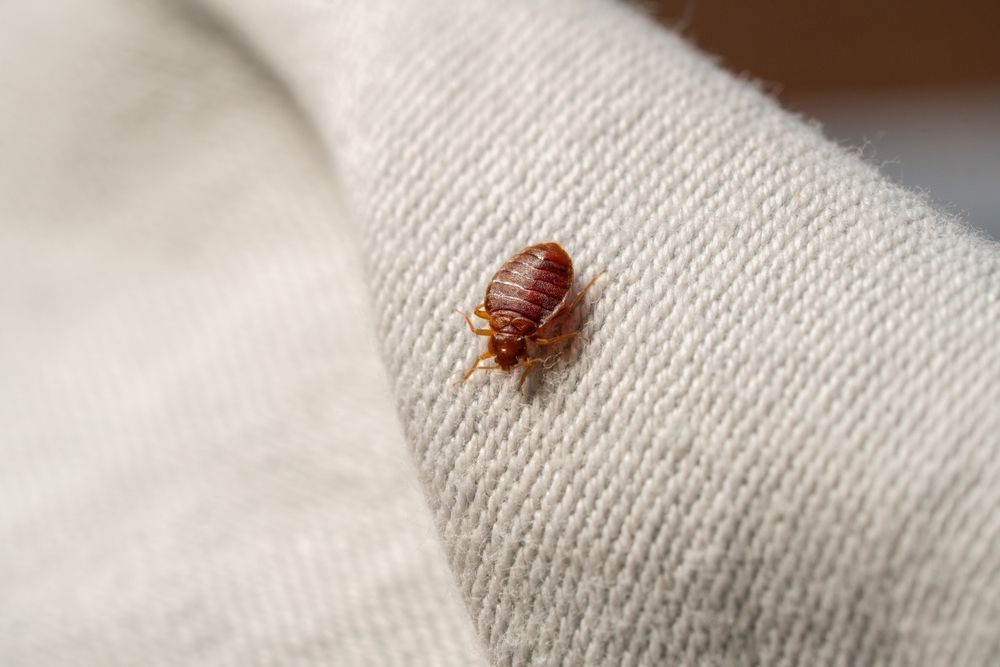
Use a flashlight and inspect slowly. Young bed bugs can be small and pale, while adults are flat, reddish-brown, and roughly comparable in size and shape to an apple seed.
Signs That Matter More Than the Bites
Physical evidence near a sleeping area is far more useful than trying to identify the pest from a photo of the skin.
Watch for:
- Live reddish-brown insects
- Pale eggs or empty eggshells
- Shed skins from growing bed bugs
- Dark, ink-like fecal spots
- Rust-colored stains on bedding
- Activity inside mattress seams or furniture joints
Texas A&M AgriLife recommends checking mattress seams and headboards for dark spots or stains and keeping luggage off hotel floors while inspecting a room. Bed bugs commonly travel in luggage and personal belongings rather than remaining on a person’s body.
Do not discard your mattress or move belongings to another room before confirming the problem. Moving infested items can spread bed bugs into previously unaffected areas.
What to Do When You Suspect Bed Bugs
Start by documenting what you find. Take clear photographs of insects, stains, shed skins, and the locations where evidence appears. If possible, place a suspected insect in a sealed container for identification.
Avoid relying on foggers or spraying multiple over-the-counter products throughout the room. The Texas Department of State Health Services warns that foggers and over-the-counter pesticides will not eliminate a bed bug infestation and advises working with a licensed pest control operator.
You can also:
- Wash and dry bedding according to the fabric instructions.
- Use a high dryer setting when the material allows it.
- Reduce clutter without moving items into other rooms.
- Keep sleeping in the same room until you receive professional instructions.
- Avoid bringing discarded furniture into the home.
- Arrange an inspection before attempting extensive treatment.
Our guide to getting rid of bed bugs explains why successful control requires careful identification, containment, preparation, treatment, and continued monitoring.
When to Get Medical Help
Most bed bug bites improve without extensive medical treatment. Avoid scratching because broken skin can become infected. A healthcare provider or pharmacist can advise you about appropriate relief for itching and inflammation.
Seek medical attention when you notice:
- Trouble breathing or swelling of the face or throat
- A widespread or severe allergic reaction
- Increasing pain, warmth, redness, or drainage
- Fever or other signs of infection
- Blisters or a reaction that continues to worsen
- Symptoms affecting an infant or medically vulnerable person
Bed bugs are not known to spread disease, but their bites can cause itching, sleep disruption, allergic reactions, and skin problems related to scratching.
How EcoForce Confirms and Treats Bed Bug Activity
Bite marks may give you a reason to investigate, but they do not reveal where bed bugs are hiding or how far the infestation has spread. A professional inspection focuses on the property, sleeping areas, furniture, and physical evidence rather than relying on the skin reaction alone.
EcoForce Pest Management provides bed bug control in San Antonio and Austin for residential and commercial properties. Our service begins with an inspection to locate activity and identify hiding areas. Depending on what we find, available treatment options may include targeted conventional treatments or heat remediation.
If unexplained bites keep appearing or you have found signs near a bed or upholstered area, contact EcoForce Pest Management for a bed bug inspection. We can help determine whether bed bugs are present and recommend the appropriate next step for your Texas property.
Start Being Pest Free Today!
Contact Us